

Custom PC Plastic Cup Injection Mould in Various Sizes
Admin 2026-08-07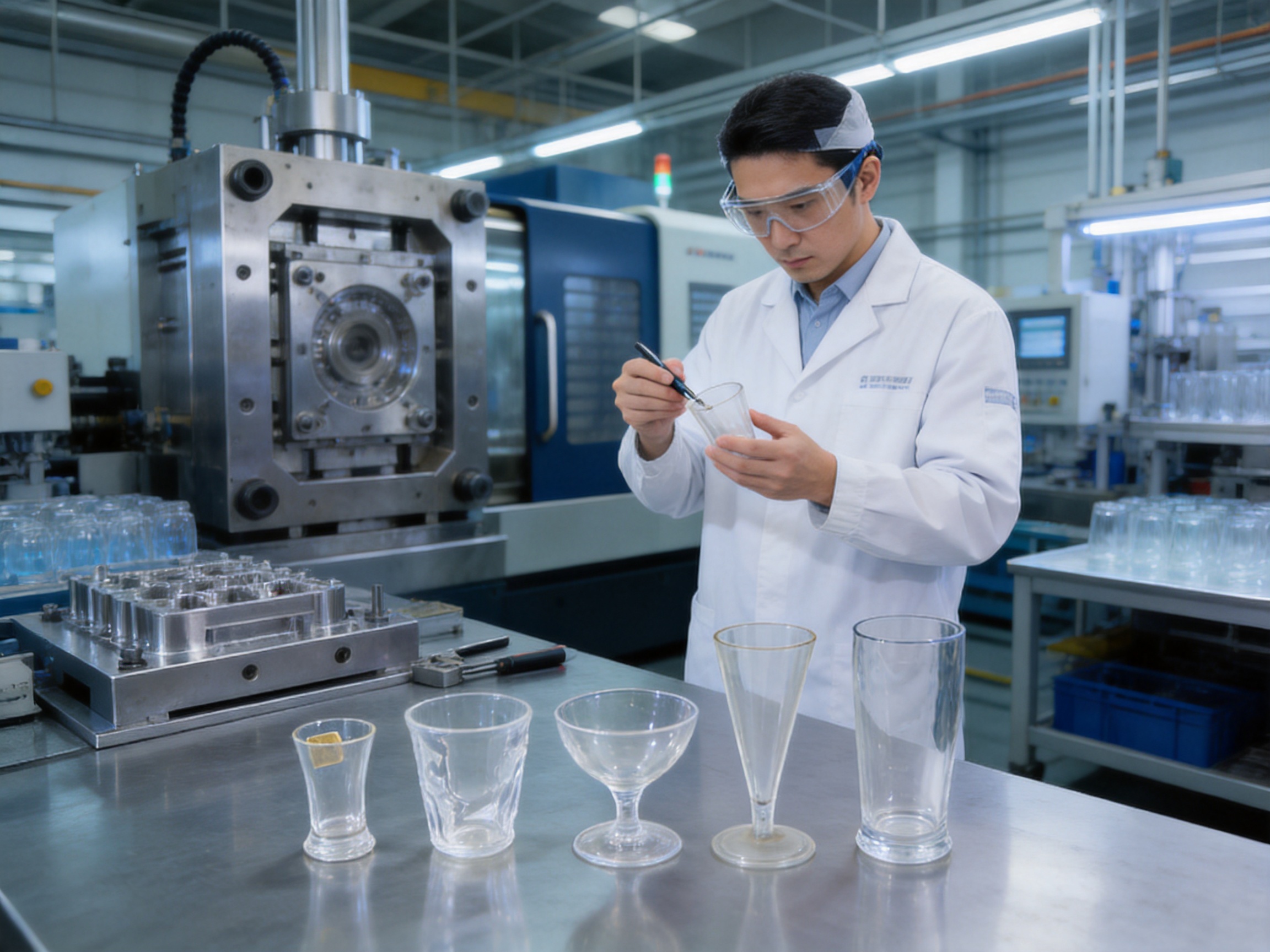
Plastic cups are used across beverage service, catering, food distribution, hospitality, outdoor recreation, travel, and household applications. As demand grows for reusable, transparent, lightweight, and durable drinkware, manufacturers require injection moulds that can produce consistent products at high speed while preserving appearance and dimensional accuracy. The PC Plastic Cup Injection Mould is designed for this purpose, providing a dependable tooling solution for producing cups in various sizes, capacities, cavity configurations, and surface styles.
Developed for polycarbonate and compatible materials such as Tritan, this mould combines precision machining, high-polish steel, carefully engineered gating, balanced cooling, and flexible customization. It is suitable for manufacturers that need reliable production of transparent drinking cups, reusable beverage containers, restaurant cups, juice cups, smoothie cups, and outdoor drinkware. The mould can also support thin-wall injection, helping reduce material consumption without compromising the strength required for daily use.
Unlike basic cup tooling designed only for general-purpose production, this Plastic Cup Mould is engineered around the specific requirements of transparent products. Optical clarity, smooth internal surfaces, stable wall thickness, easy demoulding, and accurate stacking dimensions are all important. A minor defect such as a flow mark, weld line, air bubble, uneven cooling mark, or polishing imperfection can affect the commercial value of a transparent cup. The design and manufacturing process therefore place strong emphasis on the complete mould system rather than on individual components alone.
Product Overview
The Plastic Injection Cup Mold is a precision injection mould developed for the high-volume production of durable plastic cups. It can be configured for two to eight cavities, allowing manufacturers to select a production capacity that matches their injection machine, order volume, investment plan, and target market. Different cavity layouts can be evaluated during the engineering stage to achieve balanced filling, efficient cooling, and practical mould maintenance.
The mould is manufactured from high-performance steel grades such as S136 and NAK80. These materials are widely selected for precision injection tooling because they provide a strong combination of hardness, polishability, wear resistance, corrosion resistance, and dimensional stability. For transparent cup applications, the quality of the mould cavity and core surfaces directly influences the final product finish. High-polish steel supports the glossy appearance and optical clarity expected from PC and Tritan drinkware.
A hot runner system is used to support controlled material delivery into the cavities. The runner arrangement can be designed according to cup geometry, wall thickness, gate position, material characteristics, and production requirements. Proper gating is particularly important for transparent cups because unstable filling can create visible flow lines, hesitation marks, weld lines, or trapped air. A balanced hot runner system helps maintain consistent filling behavior from cavity to cavity.
Uniform cooling channels are integrated into the mould structure to control heat removal during each cycle. Consistent cooling supports stable cup dimensions, reduces the risk of deformation, and improves the repeatability of stacking features. This is especially important when cups are designed to nest together for storage, shipping, catering service, or retail packaging.
The mould can be customized for different cup capacities, external profiles, rim shapes, base structures, logos, decorative surfaces, and cavity counts. Customers may also request adjustments for specific injection machines, automation systems, packaging requirements, or production cycle targets. The result is a tooling solution adapted to the final cup rather than a generic mould that requires significant modification after delivery.
Why Transparent Cup Production Requires Specialized Tooling
Transparent drinkware presents more demanding moulding requirements than many opaque household products. When a product is colored or textured, small surface imperfections may be less noticeable. In a clear cup, however, defects can be visible from multiple angles and may affect both appearance and perceived cleanliness. Every stage of the injection process must therefore be controlled with greater precision.
The cavity and core surfaces must be polished carefully to achieve a smooth product finish. Polishing is not only a cosmetic operation. It also influences demoulding performance, cleaning behavior, transparency, and the appearance of reflections on the finished cup. Uneven polishing can produce cloudy areas or visible distortion, especially on large cylindrical surfaces.
Material flow must also be controlled. Polycarbonate and Tritan can require carefully selected processing conditions, and the flow path must be designed to reduce unnecessary pressure variation. A poorly positioned gate may generate an obvious flow pattern, concentrated stress, or an uneven filling front. The Plastic Cup Mould uses a special gating concept to support a more stable filling process and to reduce visible flow marks and air-related defects.
Cooling is another critical factor. A cup with uneven wall thickness or an unbalanced cooling layout can shrink differently across its surface. This may lead to ovality, warping, rim distortion, or poor nesting. Properly arranged cooling channels help maintain a more uniform temperature distribution and improve the dimensional consistency of every cavity.
Demoulding must be considered from the initial design stage. A transparent cup can be damaged by excessive ejection force, sharp edges, or poor release conditions. The mould design can incorporate suitable draft angles, balanced ejection, polished surfaces, and appropriate ejector placement to help release cups smoothly while maintaining the shape of the rim and base.
Key Advantages of the Plastic Cup Mould
High-Quality Optical Finish
The mould uses high-polish steel and precision finishing processes to support clear, glossy cup surfaces. This is valuable for beverage products where visibility of the contents is part of the customer experience. A transparent cup with a clean, reflective finish can improve product presentation in restaurants, cafés, catering operations, retail stores, and promotional applications.
High-quality cavity polishing also helps reduce surface drag during ejection. When the cavity and core are finished correctly, the mould can support a smoother release process and lower the risk of scuffing, haze, or drag marks. The finished product can therefore maintain a consistent appearance over repeated production cycles.
Stable High-Volume Production
The mould is designed for demanding production environments and can achieve a service life of up to 1,000,000 shots when operated and maintained under suitable conditions. Long service life helps reduce the cost per cup and limits interruptions caused by frequent tooling replacement or major refurbishment.
Reliable production is supported by coordinated systems rather than by steel quality alone. The hot runner system, cooling circuits, cavity layout, ejection components, guide elements, and mould base must work together. A balanced design helps reduce cycle variation and supports consistent output across extended production runs.
Flexible Cavity Options
Two- to eight-cavity configurations allow the mould to serve different manufacturing scales. A two-cavity mould may be appropriate for a new product launch, moderate demand, or a manufacturer that wants to minimize initial tooling investment. Higher-cavity configurations can support large orders and improve output per injection cycle.
Cavity selection should be based on more than the maximum possible output. It should also consider machine clamping force, injection volume, cooling capacity, operator workflow, automation, quality inspection, and planned future demand. Engineering support during the design stage helps identify a practical balance between productivity and investment.
Support for Thin-Wall Injection
Many modern cup manufacturers seek to reduce material consumption while maintaining sufficient strength and rigidity. Thin-wall injection can help lower product weight, shipping costs, and material usage. However, it requires precise control of filling, mould temperature, injection speed, pressure, venting, and cooling.
The mould is designed to support thin-wall cup production while preserving structural performance. A controlled flow path helps the melt reach the end of the cavity before premature solidification. Efficient cooling supports faster cycle times, while accurate mould construction helps maintain the intended wall thickness and rim geometry.
Consistent Stackability
Stackability is essential for cups used in catering, restaurants, food service, and warehouse distribution. Cups that do not nest consistently can occupy excessive storage space, become difficult to separate, or suffer from rim damage during handling. Dimensional stability across all cavities is therefore a key production requirement.
Uniform cooling and accurate cavity machining help maintain consistent outside diameter, inside diameter, rim position, base height, and taper. The design can be customized to create a controlled nesting gap, allowing cups to stack securely while remaining easy to separate during service.
Customization for Different Markets
There is no single cup design suitable for every application. A juice cup may require a different capacity and rim profile from a reusable travel cup. A restaurant cup may prioritize stackability, while an outdoor cup may require a thicker base or reinforced sidewall. The mould can be adjusted to accommodate different product concepts and market requirements.
Customization options include cup capacity, height, diameter, wall thickness, base design, rim geometry, cavity quantity, surface logo, decorative details, and suitable material selection. Customer-supplied drawings, three-dimensional models, physical samples, or functional descriptions can be used as starting points for the engineering process.
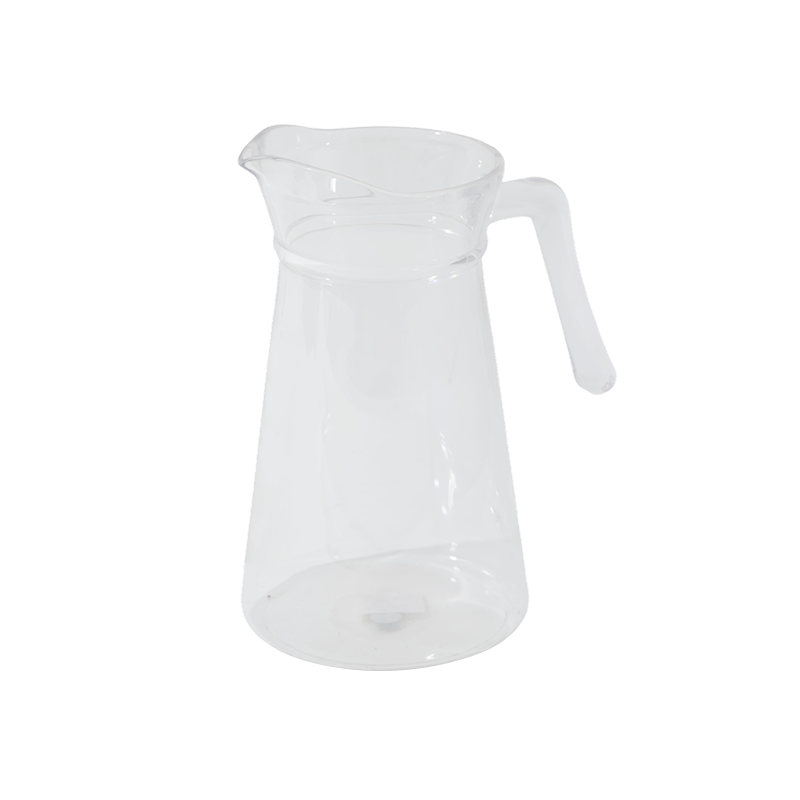
Custom PC Plastic Cup Injection Mould in Various Sizes
Advanced Mould Design and Engineering Process
Product Feasibility Analysis
The manufacturing process begins with a detailed review of the cup design. Engineers examine the product geometry, wall thickness, draft angles, undercuts, rim structure, base features, logo positions, material requirements, and expected production volume. This review helps identify potential moulding risks before steel is cut.
For transparent cups, the feasibility analysis also considers the most suitable gate location, likely flow direction, venting requirements, polishing access, and cooling arrangement. The objective is to create a product that can be filled uniformly and released without visible defects. If a design change can improve mouldability or reduce production risk, it can be discussed before final approval.
Flow and Filling Considerations
Plastic flow analysis can be used to study filling behavior, pressure distribution, weld line locations, air entrapment risks, and cooling-related shrinkage. Although simulation cannot replace practical mould testing, it can help engineers evaluate alternative gates, runner layouts, wall thicknesses, and process windows.
A balanced filling pattern is especially important in multi-cavity tooling. Each cavity should receive material under comparable conditions so that cup weight, transparency, dimensions, and mechanical performance remain consistent. The hot runner system is designed to support balanced delivery and reduce variation between cavities.
Core and Cavity Construction
The core forms the internal surface of the cup, while the cavity forms the external surface. Their relationship determines wall thickness, taper, rim shape, and overall dimensional accuracy. Precision machining and careful alignment help maintain uniform clearance around the product.
For large or thin-wall cups, core deflection must be carefully considered. Excessive deflection can lead to uneven wall thickness or inconsistent product dimensions. The mould structure may therefore be reinforced according to cup size, material pressure, cavity count, and expected cycle conditions.
Gate and Runner Design
The gating system controls how molten material enters the cup cavity. Its position and geometry influence filling balance, pressure loss, weld lines, residual stress, gate vestige, and appearance. A gate that is too small may increase pressure and shear, while a gate that is poorly located may create visible flow patterns or uneven filling.
The hot runner system supports a controlled and repeatable supply of material. It can reduce runner waste compared with a conventional cold runner arrangement and can be beneficial for high-volume manufacturing. The final configuration is determined according to material behavior, cup geometry, machine conditions, and the customer’s production expectations.
Cooling Circuit Development
Cooling channels are designed to remove heat from the mould in a controlled manner. Their position, diameter, spacing, and connection layout affect cooling efficiency and product consistency. Inadequate cooling can increase cycle time and cause deformation, while excessive local cooling can create dimensional variation or visible stress patterns.
For cup moulds, the rim, sidewall, base, and core often require particular attention. These areas may cool at different rates because of changes in wall thickness and geometry. A carefully planned circuit can help maintain a more stable temperature profile and support reliable nesting dimensions.
Ejection and Demoulding
The ejection system must release the cup without damaging its appearance or shape. Ejection force should be distributed appropriately, avoiding concentrated stress at thin sections, the rim, or decorative features. The system may use ejector components positioned in structurally suitable areas of the product.
Draft angles and polished surfaces assist release. If the product design contains deep features, tight nesting surfaces, or logos, these details must be evaluated to ensure that ejection remains stable throughout the mould’s service life. Smooth demoulding can also improve cycle consistency and reduce the risk of operator intervention.
Material Compatibility
Polycarbonate
Polycarbonate is widely used for transparent products that require impact resistance, toughness, and dimensional stability. It is suitable for reusable drinkware, food-service cups, and applications where the product may experience repeated handling. PC can provide a clear appearance and strong structural performance when processed under appropriate conditions.
Because polycarbonate is sensitive to moisture and processing conditions, material preparation is important. Proper drying, temperature control, injection speed, holding pressure, and cooling should be established during production trials. The mould provides the precision foundation needed for these process conditions to be managed consistently.
Tritan and Similar Transparent Materials
Tritan is another material used for clear reusable drinkware. It is valued in many applications for its transparent appearance, durability, and suitability for modern product designs. The mould can be adapted to support PC, Tritan, or another approved material according to the customer’s product specification and processing requirements.
Material selection should be confirmed before mould construction because different resins may have different shrinkage behavior, processing temperatures, flow characteristics, and cooling requirements. Early communication between the product designer, material supplier, and mould manufacturer helps prevent dimensional or appearance problems during mass production.
Manufacturing Strengths and Production Management
Taizhou Huangyan Haiquan Plastic Mold Co., Ltd. is a high-tech enterprise specializing in the research, development, and manufacturing of precision injection moulds. Its product experience covers daily necessities, home appliances, automotive parts, and industrial equipment. This broad sector knowledge helps the engineering team understand the different performance, appearance, durability, and production requirements associated with injection-moulded products.
The company operates with a professional design team and a scientific production management system. The process is intended to connect product development, mould design, machining, assembly, testing, delivery, and after-sales support. An integrated approach helps maintain communication between departments and reduces the risk of information loss as a project moves from concept to production.
Precision mould production depends on disciplined control at every stage. Design data must be reviewed carefully, steel selection must match the product and expected service life, machining tolerances must be controlled, and components must be inspected before assembly. Assembly quality is equally important because even accurately machined parts can create problems if alignment, fitting, or surface treatment is not completed correctly.
The company’s production philosophy emphasizes quality first and sustainable development. In practical terms, this means seeking stable long-term performance rather than focusing only on short-term delivery. A mould that performs consistently over hundreds of thousands of cycles can provide greater value than a lower-cost tool that requires frequent adjustment or refurbishment.
Export experience also contributes to project coordination. The company serves customers in Europe, the Middle East, Southeast Asia, and South America. International projects often require clear technical communication, careful packaging, documentation, remote support, and attention to different production standards. Experience across these markets helps the company manage the practical requirements of overseas mould delivery.
Design Team Capabilities
A capable design team is essential for custom Plastic Cup Mould projects. Engineers must understand not only three-dimensional geometry but also injection moulding behavior, material flow, cooling, ejection, steel selection, maintenance, and production economics. This combined knowledge allows the team to propose solutions that are technically feasible and commercially practical.
The design process can include review of customer drawings, three-dimensional modelling, mould layout development, component selection, cavity balancing, gate planning, cooling analysis, and manufacturability evaluation. Where necessary, the design can be revised to improve product quality, simplify maintenance, or support a more efficient cycle.
Precision Machining and Fitting
Modern machining equipment and experienced operators are used to manufacture mould components accurately. The core, cavity, inserts, mould plates, runner components, cooling features, and ejection parts must be produced according to approved design data. Precision machining helps maintain product dimensions and supports reliable mould assembly.
After machining, components are inspected and fitted. The fitting process checks alignment, movement, parting surfaces, guide systems, ejection action, and the interaction of the core and cavity. For transparent cup tooling, attention to parting lines and polished surfaces is particularly important because visible mismatch or flash can reduce product quality.
Trial Moulding and Validation
Before shipment, the mould should be tested under practical injection conditions. Trial moulding helps verify filling, cooling, ejection, cavity balance, product dimensions, surface quality, and cycle behavior. The results can be compared with the approved product drawings and quality requirements.
Trial production may also reveal opportunities for process optimization. For example, injection speed, holding pressure, mould temperature, cooling time, or gate temperature may be adjusted to improve clarity and dimensional accuracy. The objective is to deliver a mould that is ready for efficient customer production rather than merely a tool that opens and closes successfully.
Quality records and inspection results support project traceability. Depending on customer requirements, documentation may include mould specifications, steel information, component lists, test reports, product samples, dimensional records, and maintenance recommendations. Clear documentation helps operators and maintenance teams manage the mould after installation.
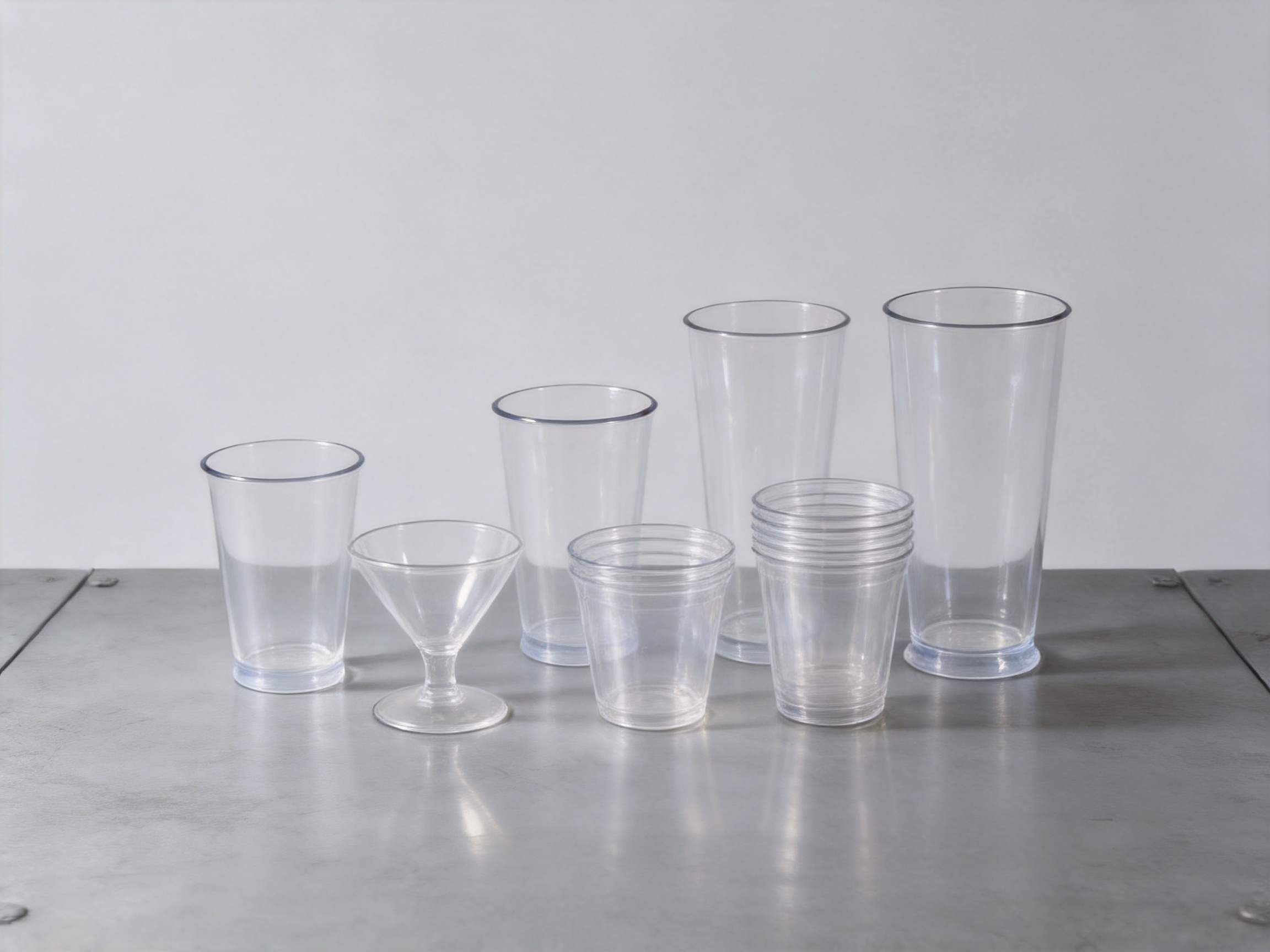
Applications of the Cup Mould
Reusable Drink Cups
Reusable cups are increasingly popular in homes, workplaces, cafés, schools, and public venues. They must withstand repeated handling and, depending on the design, washing and temperature changes. PC and Tritan cups can provide the clarity and durability needed for these applications.
The mould can produce cups with different capacities and wall structures for everyday use. Logos, measurement marks, textured grips, and customized rims can be included in the product design. A polished cavity can support a high-quality appearance suitable for private-label and branded drinkware programs.
Restaurant and Catering Cups
Restaurants and catering businesses often need cups that are easy to store, transport, clean, and serve. Stackability is important because large numbers of cups may be stored in limited spaces. Consistent dimensions and smooth surfaces help support efficient handling and presentation.
Different cup sizes can be developed for water, soft drinks, juice, cocktails, desserts, or specialty beverages. Multi-cavity moulds can support the production quantities required by food-service suppliers and hospitality distributors.
Juice and Smoothie Cups
Clear cups are widely used for juice, smoothies, milkshakes, and other visually appealing beverages. Product transparency allows the color and texture of the drink to become part of the presentation. For this reason, optical clarity and surface gloss are important commercial features.
The mould can be customized with a suitable rim for lids, a reinforced base for stability, and dimensions adapted to existing packaging systems. If a lid is used, the cup rim and lid interface should be developed together to achieve reliable fit and sealing performance.
Outdoor and Travel Drinkware
Outdoor and travel cups may need lightweight construction, impact resistance, comfortable handling, and compatibility with carrying accessories. The mould can support product designs with reinforced walls, ergonomic profiles, tapered bodies, or customized bases.
For travel applications, dimensional consistency is important because cups may need to fit holders, sleeves, lids, or other accessories. Accurate tooling helps maintain the interfaces required for a complete drinkware system.
Customization Options
Customers can customize the mould according to product concept, target market, equipment, and production volume. Capacity is one of the most common requirements. Small cups may be intended for tasting, catering, or children’s beverages, while larger versions may be used for smoothies, cold drinks, or outdoor activities.
Cavity quantity can be selected from two to eight cavities. The correct number depends on the desired output, available machine size, investment budget, and acceptable cycle time. A detailed production assessment can help prevent overengineering or insufficient capacity.
Surface logos and product marks can be incorporated into the cup design. These features may be raised, recessed, or integrated as a subtle texture. Logo design should consider demoulding, polishing, material flow, and visual clarity. Fine details require careful review to ensure they remain durable and easy to manufacture.
The cup profile can also be adjusted. Options may include straight walls, tapered walls, curved bodies, reinforced rims, textured grips, fluted surfaces, measurement marks, and specialized bases. Each feature influences mould construction and should be evaluated for its effect on filling, cooling, ejection, and cleaning.
Product material is another important customization factor. PC and Tritan may be selected according to clarity, strength, regulatory requirements, cost, and intended use. Other materials may be considered if they are compatible with the proposed mould structure and processing conditions. Any material change should be reviewed because shrinkage and flow differences can affect the final product.
Technical Specifications
| Product Type | Custom plastic cup injection mould |
| Recommended Materials | Polycarbonate and Tritan |
| Mould Steel | S136 or NAK80 |
| Runner System | Hot runner |
| Cavity Options | Two to eight cavities |
| Surface Finish | Mirror polish |
| Application | Reusable cups, restaurant cups, juice cups, smoothie cups, outdoor drinkware |
| Production Life | Up to 1,000,000 shots under suitable operating and maintenance conditions |
| Customization | Capacity, cavity number, cup profile, rim, base, wall thickness, and logo |
The specifications above provide a general reference for the Plastic Injection Cup Mold. Final mould parameters should be confirmed according to the approved product design, material data, injection machine, production target, and quality standard. A technical review before construction is recommended for every custom project.
Quality Control Priorities
Quality control begins with material verification. Mould steel should match the approved specification, and critical components should be traceable throughout machining and assembly. Correct steel selection supports polishability, wear resistance, corrosion resistance, and service life.
Dimensional inspection is used to verify mould components and finished trial samples. Key areas may include cup diameter, height, wall thickness, rim dimensions, base dimensions, nesting clearance, and logo position. Measurements should be evaluated across all cavities to identify potential variation.
Visual inspection is particularly important for clear cups. Inspectors can check for cloudiness, flow marks, air bubbles, weld lines, scratches, gate marks, flash, deformation, and polishing defects. Any visible issue should be investigated in relation to mould design, material preparation, or processing conditions.
Functional testing should include mould opening and closing, ejection movement, hot runner operation, cooling circuit flow, guide system action, and product release. A mould must not only create an acceptable sample; it must also operate safely and repeatably in the customer’s production environment.
Production and Maintenance Recommendations
Proper production conditions are necessary to achieve the expected performance of the mould. PC and other transparent materials should be dried according to the resin supplier’s recommendations. Moisture can cause surface defects, reduced transparency, bubbles, or other processing problems.
Injection speed and pressure should be adjusted according to the cup wall thickness and flow path. Thin-wall products may require a faster and more controlled filling stage, while excessive speed can increase shear or create appearance problems. The correct process window should be established during trial production.
Mould temperature should remain stable throughout production. Sudden temperature changes can affect gloss, clarity, shrinkage, and cycle consistency. Cooling water flow and temperature should be monitored, especially during long production runs.
Regular cleaning helps preserve polished surfaces and prevent contamination. Operators should use suitable cleaning materials and avoid tools that can scratch the cavity or core. Transparent product moulds require particular care because minor damage may become visible in every subsequent cup.
Hot runner components should be inspected according to the manufacturer’s maintenance schedule. Electrical connections, temperature controllers, heaters, and nozzles should be checked if filling becomes unstable or if cavity-to-cavity variation increases.
Moving components should be lubricated with appropriate products at recommended intervals. Guide pillars, guide bushes, ejector systems, slides, and other moving parts should be checked for wear. Early detection of wear can prevent damage to more expensive mould components.
After production, the mould should be cleaned, dried, protected against corrosion where necessary, and stored in a suitable environment. Cooling channels may also require periodic cleaning to maintain efficient heat transfer. A planned maintenance program can extend service life and protect product quality.
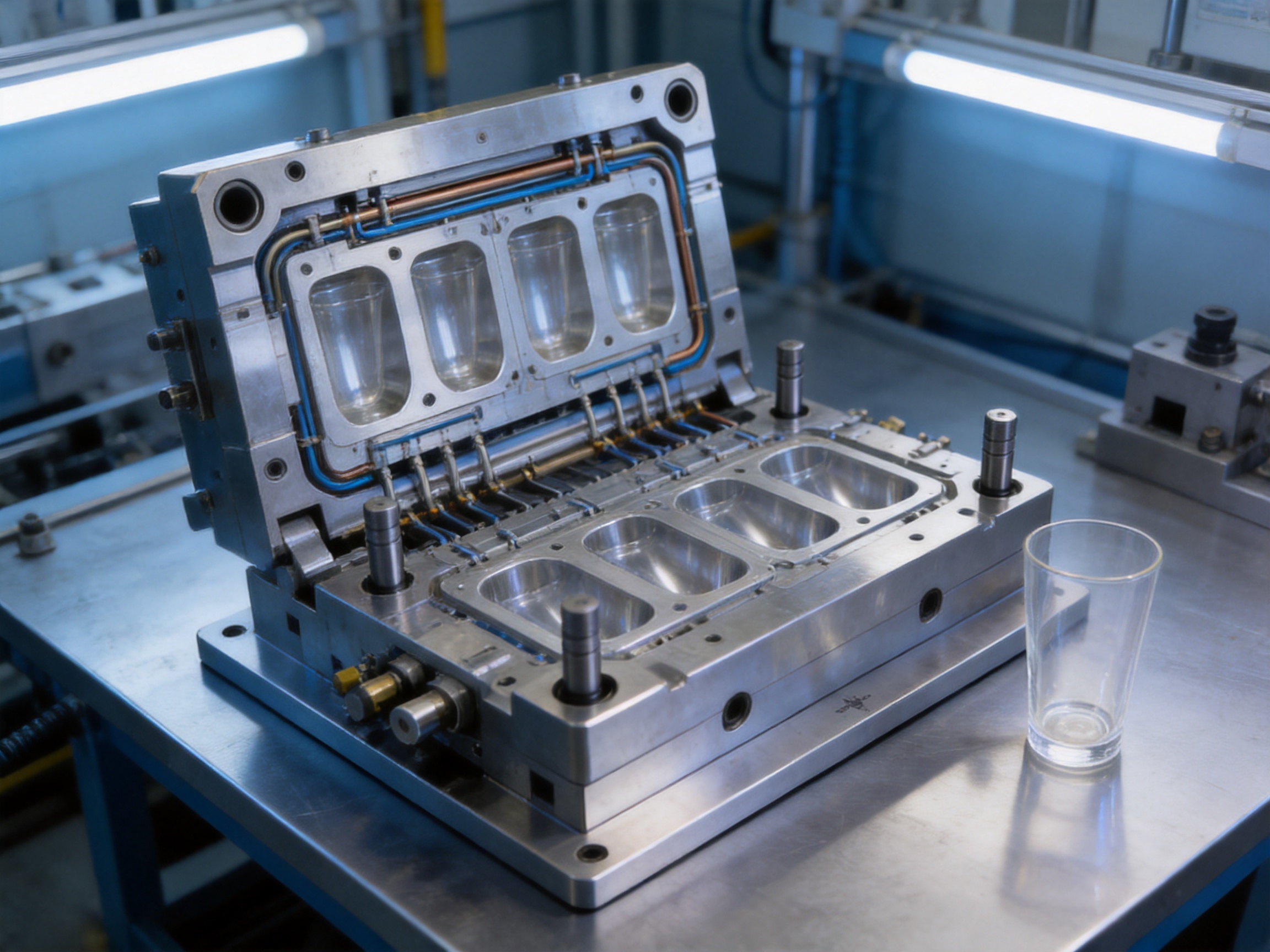
Advantages Compared with Basic or Poorly Optimized Cup Tooling
The first advantage is a stronger focus on appearance. Basic tooling may produce a functional cup, but transparent products demand a higher level of surface preparation and filling control. The mirror-polished cavity surfaces and special gating approach help the mould target a more attractive and commercially consistent finish.
The second advantage is improved cavity balance. In multi-cavity production, an unbalanced design may create differences in weight, wall thickness, clarity, and dimensions. The planned hot runner and cooling systems are intended to reduce these differences and improve consistency across the complete mould set.
The third advantage is better support for thin-wall production. A mould that has not been designed for thin-wall flow may produce short shots, weak areas, excessive pressure, or inconsistent filling. This mould considers the relationship between wall thickness, gate design, material flow, cooling, and ejection to support lightweight cup concepts.
The fourth advantage is adaptability. Instead of limiting manufacturers to one fixed cup format, the tooling program can be customized for capacity, cavity count, logos, and product geometry. This flexibility is valuable for companies serving different customers or developing multiple drinkware series.
The fifth advantage is long-term production value. A service life of up to 1,000,000 shots can help spread tooling costs across a large output volume. When supported by appropriate operation and maintenance, durable mould construction can reduce downtime and improve supply reliability.
The sixth advantage is integrated technical support. A professional mould manufacturer contributes to product evaluation, engineering design, machining, assembly, trial production, and after-sales support. This reduces the risk of treating the mould as an isolated purchase and helps align tooling decisions with the customer’s complete manufacturing process.
Project Workflow from Concept to Delivery
The project normally begins with the customer providing product drawings, a three-dimensional model, a sample, or a detailed product brief. Information about material, cup capacity, expected output, injection machine, cavity quantity, surface finish, and packaging should be shared as early as possible.
The engineering team reviews the design and prepares a feasibility assessment. Potential concerns such as insufficient draft, uneven wall thickness, difficult ejection, unsuitable gate locations, and cooling limitations can be identified at this stage.
After the product design is confirmed, the mould layout is developed. The layout defines the number of cavities, cavity arrangement, mould base, parting line, gate system, cooling circuits, ejection structure, and relevant standard components. The customer can review the design before manufacturing begins.
Steel and component preparation follows design approval. Critical steel grades such as S136 or NAK80 are selected according to surface requirements, expected production volume, and corrosion or wear considerations. Machining is then carried out using the approved technical data.
After machining, components are inspected, polished, assembled, and tested. The mould is run through trial production to verify cup quality and operational performance. If adjustments are needed, they are completed before final acceptance.
Following approval, the mould is prepared for shipment with suitable protection and supporting documentation. Installation, operation, maintenance, and spare-part recommendations can be communicated to the customer’s technical team. After-sales support remains important for long-term production stability.
Q&A
What materials can be used with this Plastic Cup Mould?
The mould is designed for polycarbonate and Tritan, two materials commonly used for transparent reusable drinkware. Final material compatibility should be confirmed according to the product design, resin supplier data, processing temperature, shrinkage behavior, and intended application.
How many cavities can the mould have?
The standard customization range is two to eight cavities. The appropriate configuration depends on required output, injection machine capacity, product size, cycle target, and investment plan.
Can the mould produce cups in different sizes?
Yes. Cup capacity, height, diameter, wall thickness, rim geometry, and base design can be customized. Each cup size normally requires its own product-specific core and cavity configuration or a separately engineered mould.
Can a logo be added to the cup?
Yes. Surface logos, measurement marks, decorative details, and other product identifiers can be incorporated into the cup design. The logo structure should be reviewed for draft, demoulding, polishing, flow, and visual clarity.
Why is mirror polishing important for transparent cups?
Mirror polishing supports a glossy, smooth surface and helps improve the appearance of clear PC or Tritan products. It can also support smoother demoulding and reduce the risk of drag marks, haze, and visible surface imperfections.
Does the mould support thin-wall cups?
Yes. The mould design supports thin-wall injection by considering flow balance, gate design, cooling, venting, and dimensional control. Actual wall thickness and process conditions must be confirmed through product design review and trial moulding.
What is the expected mould life?
The mould can have a service life of up to 1,000,000 shots under suitable operating, maintenance, material, and processing conditions. Actual life depends on production practices, resin characteristics, cleaning, lubrication, inspection, and repair procedures.
What steel is used for the mould?
S136 and NAK80 are the primary steel options identified for this product. The final grade can be selected according to clarity requirements, corrosion resistance, polishing needs, production volume, and customer specifications.
Why is uniform cooling important for stackable cups?
Uneven cooling can cause shrinkage differences, ovality, rim distortion, or warping. Uniform cooling helps maintain consistent dimensions across cavities, allowing cups to nest and stack more reliably.
What information should be provided for a quotation?
Useful information includes the product drawing or three-dimensional model, material, cup capacity, dimensions, wall thickness, expected annual quantity, desired cavity number, injection machine details, surface finish, logo requirements, and delivery expectations. More complete information allows a more accurate technical and commercial proposal.
Can the mould be used for automated production?
It can be designed to fit automated or semi-automated production systems when the machine, robot, conveyor, and product handling requirements are known in advance. Automation details should be discussed during the engineering stage so that ejection, product removal, and mould safety features are properly coordinated.
How can mould service life be extended?
Service life can be extended through correct material drying, stable processing conditions, regular cleaning, appropriate lubrication, cooling-channel maintenance, hot runner inspection, corrosion protection, and timely replacement of worn components. Operators should also avoid excessive pressure, improper tools, and unapproved modifications.
Why Choose an Experienced Mould Manufacturing Partner
A cup mould affects every unit produced during the product’s commercial life. Selecting a manufacturing partner therefore involves more than comparing an initial quotation. Engineering capability, steel quality, polishing skill, process management, trial testing, delivery reliability, and after-sales support all influence the total cost of ownership.
An experienced Plastic Mould Maker can help identify design risks before production, recommend an appropriate cavity layout, coordinate product and tooling requirements, and provide a mould that is easier to operate and maintain. This can reduce the likelihood of repeated modifications, delayed launches, unstable quality, and unexpected production costs.
Taizhou Huangyan Haiquan Plastic Mold Co., Ltd. provides integrated services covering design, mould production, testing, delivery, and after-sales support. Its experience in daily necessities and other injection-moulded sectors provides a foundation for developing tooling that combines appearance, function, durability, and production efficiency.
The company’s international customer base across Europe, the Middle East, Southeast Asia, and South America reflects experience in supporting different markets and project requirements. Its commitment to quality-first manufacturing and sustainable development is suited to customers seeking reliable tooling for long-term injection production.
Conclusion
The Custom PC Plastic Cup Injection Mould in Various Sizes is a specialized solution for manufacturers of clear, durable, reusable drinkware. It combines S136 or NAK80 steel, mirror-polished surfaces, a hot runner system, balanced filling, uniform cooling, flexible cavity options, and support for thin-wall injection.
Its key benefits include improved optical appearance, stable dimensions, reliable stackability, efficient high-volume production, long potential service life, and broad customization options. The mould can be adapted for reusable drink cups, restaurant beverage cups, juice and smoothie cups, outdoor drinkware, and other transparent container applications.
More importantly, the tooling is supported by a complete manufacturing process that includes product feasibility analysis, mould flow considerations, precision machining, careful fitting, trial moulding, inspection, documentation, and after-sales assistance. This integrated approach helps manufacturers move from product concept to dependable mass production with greater confidence.
For companies seeking a Plastic Cup Mould Manufacturing partner, the combination of engineering expertise, precision production, material awareness, and international service experience provides a practical foundation for successful injection moulding projects.
References
1. Injection Molding Handbook, general principles of thermoplastic injection moulding, mould design, process control, and production troubleshooting.
2. Plastics Engineering Fundamentals, reference material on polymer flow, cooling, shrinkage, ejection, and dimensional stability.
3. Tool and Manufacturing Engineers Handbook, guidance on mould construction, steel selection, machining, fitting, inspection, and maintenance.
4. Polycarbonate Processing Guidelines, technical information concerning drying, melt temperature, mould temperature, injection speed, and transparent product quality.
5. Transparent Thermoplastic Product Design Principles, reference guidance on optical finish, gate design, wall thickness, stress reduction, and surface inspection.
6. Industrial Injection Mould Maintenance Practices, recommendations for cleaning, lubrication, cooling-channel care, hot runner inspection, corrosion protection, and service-life management.
Product: Custom PC Plastic Cup Injection Mould in Various Sizes
For exclusive deals and latest offers, sign up by entering your email address below.

 +86-18657672567
 sales@tzhqmould.com
celin@tzhqmould.com
 No. 17 Houshi Road, Beicheng Industrial Zone, Huangyan District, Taizhou City, Zhejiang Province, China
Copyright © Taizhou Huangyan Haiquan Plastic Mold Co., Ltd. All Rights Reserved
Injection Plastic Mould Maker

