

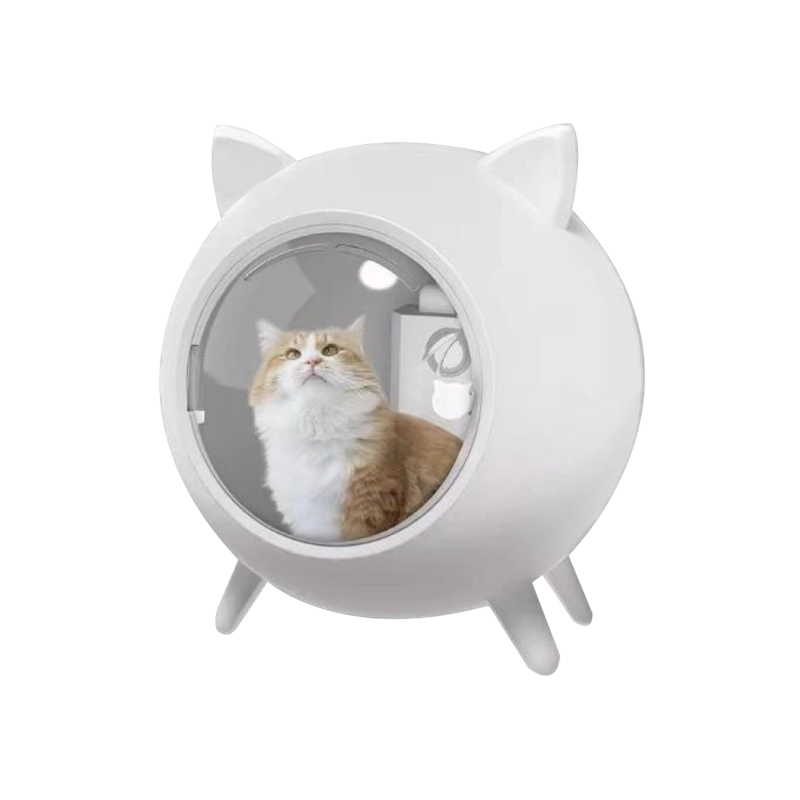
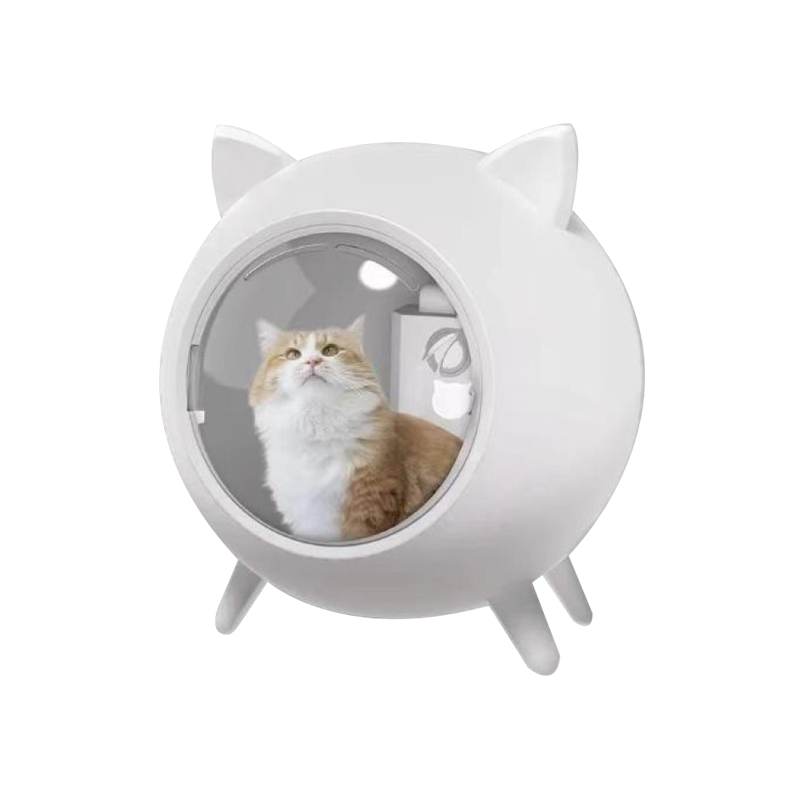
Pet Dryer Mould Manufacturer for Professional Pet Grooming Equipment Production
Pet dryers and pet drying boxes are widely used in pet grooming salons, veterinary clinics, pet boarding facilities, and household pet care markets. Unlike ordinary household plastic products, pet drying equipment must operate under continuous airflow, heating, vibration, and long working cycles, which makes mold design directly responsible for product safety, durability, and performance stability.
As a professional Pet Dryer Mould / Pet Drying Box Mold / Pet Dryer Box Mold manufacturer, we provide custom injection mold solutions for pet grooming equipment housings, air circulation structures, control panels, and transparent drying chambers used in high-volume production.
Why Pet Dryer Mold Design Directly Impacts Product Performance
A pet dryer is not just a plastic enclosure—it is a functional airflow system that combines heating, ventilation, and noise control. This means every structural detail of the mold directly affects real usage performance.
In actual production and application, poor mold design can lead to:
- Uneven airflow inside drying chamber
- Overheating zones affecting pet safety
- Excessive noise during operation
- Deformation of transparent panels
- Poor assembly alignment between fan, heater, and housing
- Short product lifespan under continuous use
These issues are often not caused by electronic components, but by structural limitations in the Pet Dryer Box Mold design.
Structural Challenges in Pet Drying Box Mold Manufacturing
1. Airflow Channel Design Determines Drying Efficiency
Pet drying boxes rely on controlled hot air circulation. If internal airflow channels are not properly designed, it can lead to:
- Uneven drying of pet fur
- Hot spots inside the chamber
- Reduced drying efficiency
Increased energy consumption
A well-designed mold ensures balanced airflow distribution and stable internal circulation paths.
2. Large Transparent Panels Require High Dimensional Precision
Many pet dryer boxes include transparent doors or observation windows.
In injection molding production, common issues include:
- Warping of large flat panels
- Optical distortion in transparent parts
- Misalignment during assembly
- Poor sealing between frame and panel
Precision cavity machining and controlled cooling systems are essential to maintain optical clarity and dimensional stability.
3. Heat Resistance and Long-Term Operating Stability
Unlike standard household products, pet dryers operate with continuous heating cycles.
If material flow or wall thickness is not properly controlled, it may result in:
- Housing deformation under heat
- Reduced structural rigidity
- Internal stress cracking over time
Proper Pet Dryer Mould design ensures balanced thermal expansion and long-term durability.
Common Production Problems in Pet Dryer Box Mold Manufacturing
In real factory environments, manufacturers often face the following issues:
Uneven airflow inside finished product
Caused by improper internal duct design or inconsistent cavity formation.
Solution: optimize airflow channel structure during mold design stage.
Noise vibration during operation
Caused by structural resonance of housing or improper assembly fit.
Solution: improve structural reinforcement and precision of interlocking components.
Warping of large housing parts
Caused by uneven cooling or excessive internal stress.
Solution: balanced cooling layout and optimized wall thickness distribution.
Difficult assembly of internal components
Caused by dimensional tolerance deviation.
Solution: improve mold precision and ensure consistent cavity-to-cavity alignment.
How Mold Design Affects Pet Dryer Performance and User Experience
For pet grooming equipment, mold design directly influences:
- Air circulation efficiency inside drying box
- Noise level during operation
- Safety of pets during drying process
- Product durability under continuous use
- Assembly accuracy of electrical and airflow components
A well-engineered Pet Dryer Mold / Pet Drying Box Mold ensures that the final product performs consistently in real grooming environments, not just in laboratory testing conditions.
Material Selection for Pet Dryer Injection Mold Production
Different parts of pet dryers require different plastic materials based on function and safety requirements:
- ABS: for structural housing and outer shell
- PC: for transparent observation windows
- PP: for internal airflow channels and secondary components
- Heat-resistant engineering plastics: for high-temperature zones near heating elements
- Flame-retardant materials: for electrical safety compliance
Mold design must consider material shrinkage, heat resistance behavior, and long-term thermal stability to ensure reliable production quality.
Application Scenarios of Pet Dryer Mould
Our Pet Dryer Mould / Pet Drying Box Mold / Pet Dryer Box Mold solutions are widely used in:
- Professional pet grooming salons
- Veterinary clinics
- Pet boarding facilities
- Mobile pet grooming units
- Home-use pet drying equipment
- OEM pet appliance manufacturing
Each application requires different airflow strength, noise control standards, and safety design requirements.
OEM Custom Pet Dryer Mold Development
Standard molds cannot meet the functional and ergonomic requirements of modern pet grooming equipment.
Custom Pet Dryer Mold development allows manufacturers to optimize:
- Airflow channel structure design
- Heating system integration space
- Noise reduction housing design
- Transparent panel positioning and sealing
- Ergonomic door opening structure
- Branding and product differentiation
For OEM manufacturers, custom mold design ensures better product performance, improved user safety, and stronger competitiveness in the pet care equipment market.
 +86-18657672567
 sales@tzhqmould.com
 No. 17 Houshi Road, Beicheng Industrial Zone, Huangyan District, Taizhou City, Zhejiang Province, China

