

Air Cooler Mould Manufacturer for High-Performance Ventilation Product Production
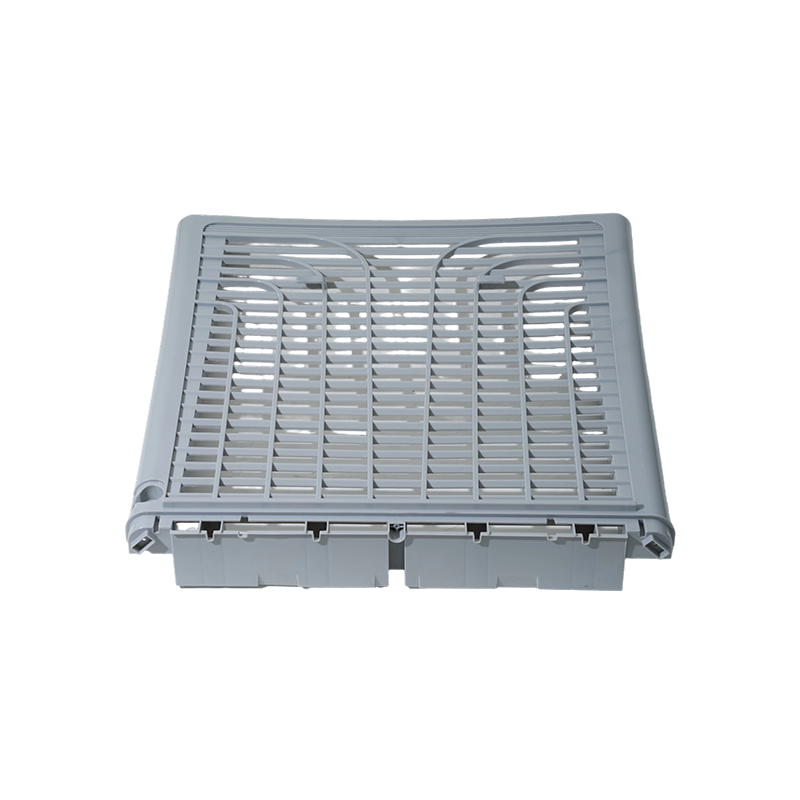
Air coolers are widely used in residential, commercial, and industrial environments as an energy-efficient cooling solution. Compared with traditional HVAC systems, air coolers rely heavily on airflow structure design, which means that the plastic components—especially the front grille and vent grille—directly determine cooling efficiency, noise control, and overall product performance.
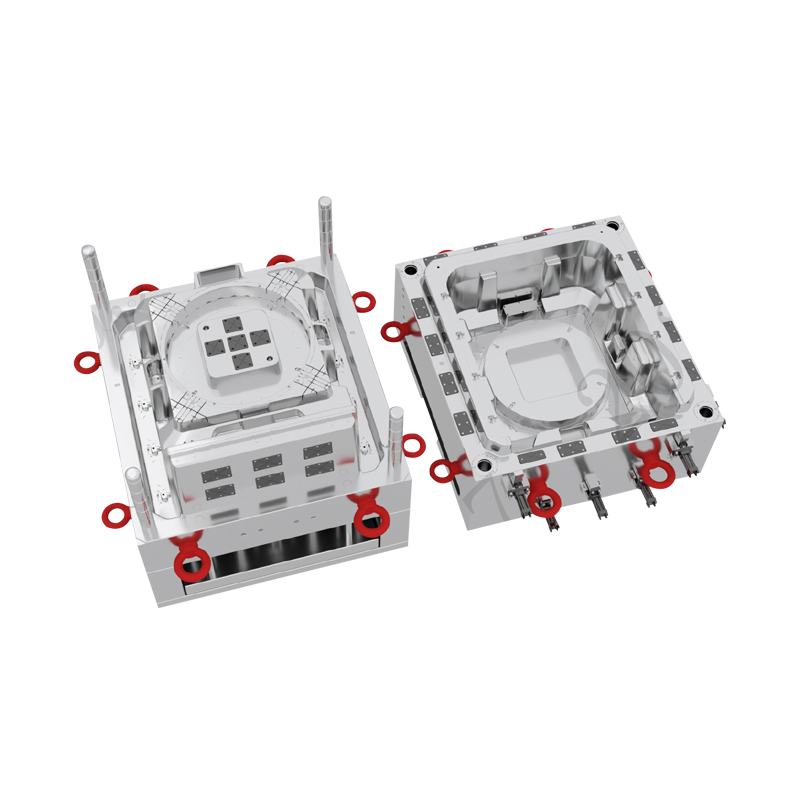
As a professional Air Cooler Mould manufacturer, we provide custom tooling solutions for air cooler housings, front grille systems, and vent grille components used in high-volume production environments. Our focus is not only mold manufacturing, but also airflow-optimized structural design that ensures stable production, consistent product quality, and efficient assembly.
Why Air Cooler Mold Design Directly Affects Product Performance
Unlike standard household plastic parts, air cooler components are functional airflow structures. Any small deviation in mold design can directly affect:
- Airflow efficiency
- Cooling performance
- Noise level during operation
- Assembly accuracy of fan and motor system
- Product vibration and stability
In real production, many manufacturers face issues where finished air cooler units fail performance testing—not because of the motor or fan system, but because the Air Cooler Front Grille Mold was not properly designed for airflow balance.
Air Cooler Front Grille Mold: Key Engineering Challenges
The front grille is one of the most visible and functional parts of an air cooler. It controls airflow direction and protects internal components.
However, during injection molding production, several problems frequently occur:
1. Uneven Airflow Design Due to Poor Structural Balance
If grille ribs or openings are not evenly distributed, airflow becomes unstable, causing reduced cooling efficiency or uneven air output.
A properly designed mold ensures symmetrical flow channels and consistent rib spacing to maintain balanced airflow performance.
2. Deformation of Large Thin-Wall Structures
Front grille panels often have large surface areas with thin-wall structures.
Without optimized cooling and reinforcement design, defects may include:
- Warping after cooling
- Bending during assembly
- Misalignment with rear housing
This directly affects final product assembly accuracy.
3. High Cosmetic Requirements for Consumer Products
Air coolers are often used in visible indoor environments, so surface quality is critical.
Common issues include:
- Flow marks around grille openings
- Weld lines visible on front panel
- Gloss inconsistency in large flat areas
Mold design must carefully control gate location and melt flow direction to ensure clean surface appearance.
Air Cooler Vent Grille Mold: Functional and Structural Requirements
Compared to front panels, vent grilles are more focused on airflow direction control and internal air distribution.
In production, typical challenges include:
Airflow Direction Instability
If vent blade angles are not precisely controlled, airflow cannot be properly directed, reducing cooling efficiency.
Precision cavity machining ensures consistent blade geometry across all cavities.
Difficult Demolding Due to Deep Rib Structures
Vent grille molds often include deep ribs and multi-directional airflow channels.
Poor ejection design may cause:
- Product sticking inside mold
- White stress marks on ribs
- Increased cycle time
Optimized ejection systems and draft angles are essential for stable mass production.
High Cycle Time in Mass Production
Because air cooler production often runs in high volume, even small inefficiencies in cooling system design can significantly impact output.
Efficient cooling layout helps reduce cycle time while maintaining structural stability.
Air Cooler Mold Production Issues and Engineering Solutions
In real factory environments, air cooler manufacturers often encounter the following problems:
Grille deformation after assembly
Caused by uneven wall thickness or improper cooling balance.
Solution: optimize mold cooling system and reinforce critical structural zones.
Misalignment between front grille and housing
Caused by poor dimensional tolerance control.
Solution: improve cavity precision and implement tighter machining standards.
Vibration noise during operation
Caused by airflow imbalance or structural inconsistency.
Solution: adjust grille geometry and ensure symmetrical airflow distribution through mold design.
Surface defects affecting product appearance
Such as weld lines or flow marks.
Solution: optimize gate position and injection flow path to improve cosmetic quality.
How Mold Design Impacts Air Cooler Performance
For air cooler products, mold design is directly linked to functional performance—not just appearance.
A well-designed Air Cooler Mold improves:
- Airflow efficiency and direction control
- Noise reduction during operation
- Structural stability during long-term use
- Assembly accuracy with motor and fan systems
- Consistency in mass production
This is why air cooler mold development must integrate both structural engineering and airflow behavior considerations.
Material Selection for Air Cooler Mould Production
Different components of air coolers require different plastic materials depending on performance requirements:
- PP: for general housing and grille components
- ABS: for higher rigidity and surface finish
- PC: for transparent or high-strength parts
- Modified engineering plastics: for high-temperature resistance and durability
Proper material selection helps ensure both structural strength and long-term stability in real usage environments.
Application of Air Cooler Injection Molds
Our Air Cooler Mould / Air Cooler Front Grille Mold / Air Cooler Vent Grille Mold solutions are widely used in:
- Household portable air coolers
- Commercial ventilation coolers
- Industrial cooling systems
- Outdoor air cooling equipment
- Energy-efficient evaporative cooling systems
Each application requires different airflow structures, aesthetic standards, and durability requirements.
OEM Custom Air Cooler Mold Development
Standard molds cannot meet all airflow and structural requirements in modern air cooler products.
Custom Air Cooler Mold solutions allow manufacturers to optimize:
- Airflow channel design
- Grille geometry and angle control
- Product size and housing compatibility
- Noise reduction structure
- Assembly alignment accuracy
- Branding and surface texture design
For OEM manufacturers, custom mold design ensures better product differentiation and improved market competitiveness.
 +86-18657672567
 sales@tzhqmould.com
 No. 17 Houshi Road, Beicheng Industrial Zone, Huangyan District, Taizhou City, Zhejiang Province, China

