

Is Your Mould Ready for High-Volume Production?
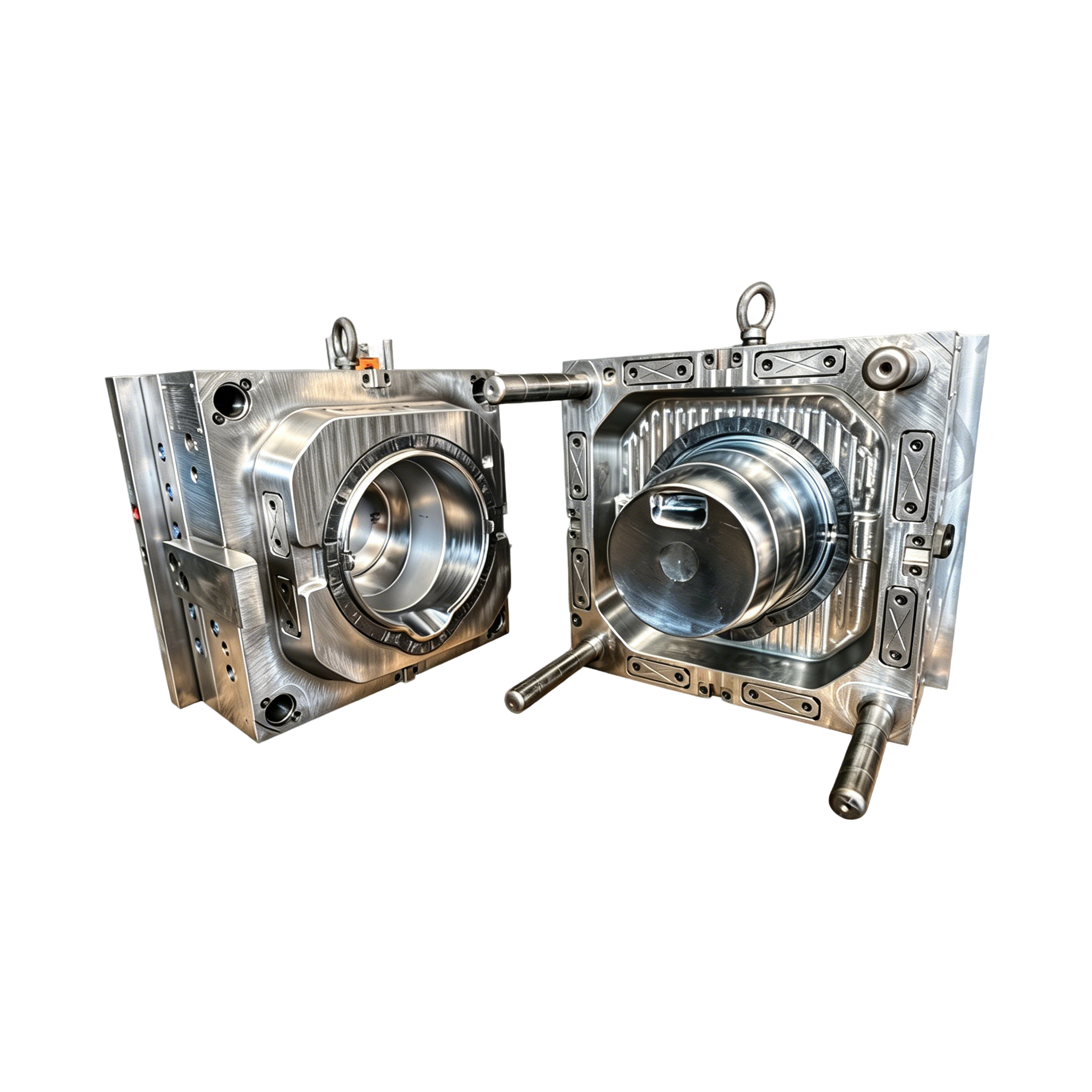
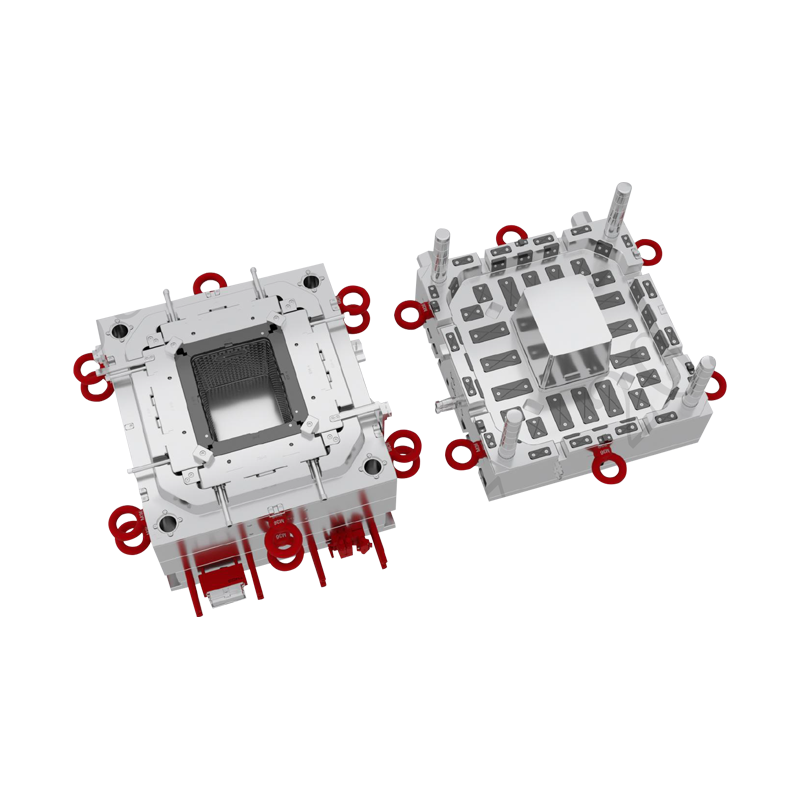
Admin 2026-07-03As global demand for energy-efficient cooling appliances continues to grow, manufacturers are under increasing pressure to produce plastic components with higher consistency, shorter cycle times, and lower defect rates. For this reason, many buyers are actively looking for experienced Molding Manufacturers that can deliver reliable Air Cooler Mould solutions for both OEM and ODM projects. Recent discussions across manufacturing communities and procurement platforms show growing interest in high-precision injection moulds, rapid tooling development, multi-cavity mould design, and cooling system optimization. Instead of focusing only on mould pricing, purchasing managers and product engineers are paying closer attention to mould lifespan, dimensional accuracy, maintenance convenience, and production efficiency.
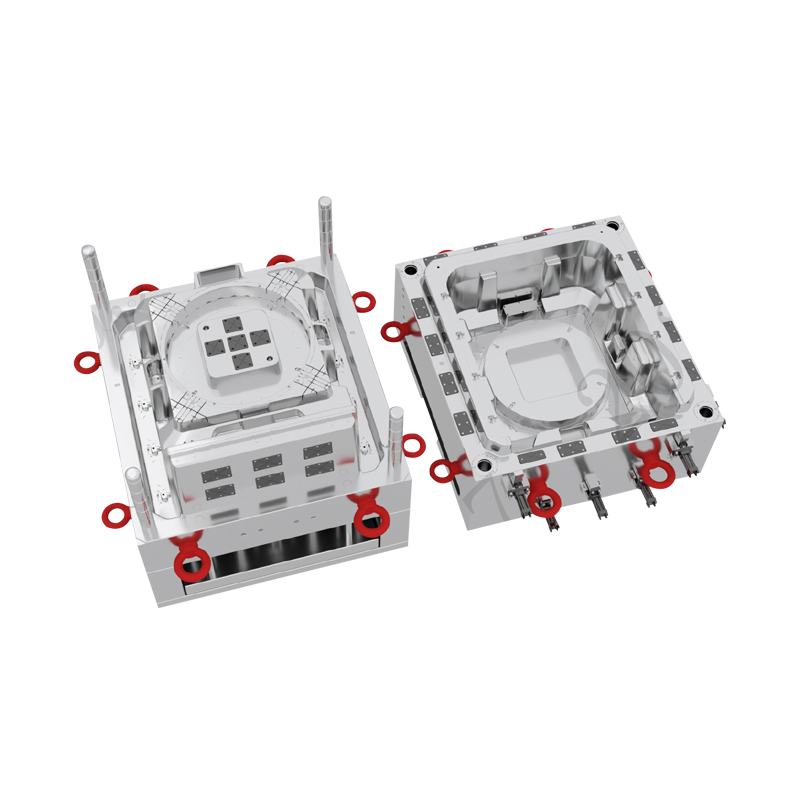
Cooling Channel Design Directly Affects Production Efficiency
One of the most overlooked factors in injection mould performance is the internal cooling system. Poor cooling design often leads to longer cycle times, uneven shrinkage, and inconsistent product quality.
A properly engineered cooling layout helps maintain uniform mould temperature, shortens production cycles, and improves dimensional stability across large production batches.
Product Consistency Depends on Precision Machining
For air cooler housings, fan frames, water tanks, and structural plastic components, dimensional consistency is essential for smooth assembly.
Professional tooling manufacturers focus on:
- Precision CNC machining for mould cavities and cores
- Tight dimensional tolerance throughout the mould structure
- Stable parting line alignment to reduce flash formation
- Uniform cavity finishing for improved product appearance
- Accurate component fitting to ensure repeatable production
These factors contribute to reliable mould performance throughout long production runs.
Faster Tool Development Helps Products Reach the Market Earlier
Product launch schedules have become increasingly demanding. Buyers are looking for mould suppliers capable of shortening development cycles without compromising quality.
Efficient project management, design verification, machining coordination, and trial mould optimization all help reduce the time between product design approval and mass production readiness.
Mould Durability Reduces Long-Term Manufacturing Costs
Instead of evaluating only the initial tooling investment, many procurement teams now calculate total ownership cost over the mould's service life.
Important durability considerations include:
- Appropriate mould steel selection for production volume
- Wear-resistant cavity surfaces for repeated injection cycles
- Stable guide components to maintain alignment accuracy
- Replaceable wear parts for simplified maintenance
- Reliable heat treatment processes for structural stability
A durable mould minimizes production interruptions and maintenance expenses.
Air Cooler Components Require Excellent Surface Quality
Consumer expectations for cooling appliances continue to rise, making appearance quality almost as important as functional performance.
Smooth cavity polishing, balanced gating systems, optimized venting, and controlled injection flow all contribute to reducing sink marks, weld lines, flow marks, and other cosmetic defects that may affect finished products.
Custom Engineering Supports Different Market Requirements
Air cooler products vary significantly between residential, commercial, and industrial applications. Standard mould solutions may not always meet project-specific requirements.
As a manufacturer, we work closely with customers to optimize product structure, mould layout, runner systems, material compatibility, and production capacity according to target markets and annual output goals. This collaborative engineering approach helps reduce manufacturing risks before mass production begins.
Manufacturing Capability Determines Tooling Reliability
A mould performs only as well as the manufacturing process behind it. Buyers increasingly evaluate not only mould design but also the supplier's machining capability, inspection standards, and quality control procedures.
Our manufacturing process includes precision CNC machining, EDM processing, coordinate measurement inspection, mould assembly verification, and production trial validation before delivery. Every stage is carefully controlled to ensure the mould performs consistently under real manufacturing conditions.
As product quality expectations continue to rise in the global appliance market, choosing experienced Molding Manufacturers is becoming an important investment rather than a simple purchasing decision. A professionally engineered Air Cooler Mould provides stable production, consistent part quality, and long-term manufacturing efficiency, helping OEM customers bring reliable cooling products to market with greater confidence.
For exclusive deals and latest offers, sign up by entering your email address below.

 +86-18657672567
 sales@tzhqmould.com
celin@tzhqmould.com
 No. 17 Houshi Road, Beicheng Industrial Zone, Huangyan District, Taizhou City, Zhejiang Province, China
Copyright © Taizhou Huangyan Haiquan Plastic Mold Co., Ltd. All Rights Reserved
Injection Plastic Mould Maker

