

Can Better Mold Venting Improve Plastic Stool Surface Quality?
Admin 2026-10-30Surface defects can affect the appearance of a plastic stool even when its overall shape and dimensions appear acceptable. Burn marks, incomplete filling, trapped air, and inconsistent surface finishes may lead to additional inspection, rework, or rejected parts during production. These problems can have several causes, including material conditions, injection settings, and mold design. For manufacturers developing plastic seating products, venting deserves particular attention because air inside the cavity needs a suitable path to escape as molten plastic enters.

Understand Why Air Becomes Trapped
During injection molding, molten plastic moves through the cavity and displaces the air already inside it. If the air cannot escape efficiently, pressure may build up in localized areas and interfere with the filling process.
Depending on the mold design and processing conditions, trapped air can contribute to burn marks, short shots, or visible imperfections. These defects may occur near the ends of flow paths, around complex contours, or where several flow fronts meet.
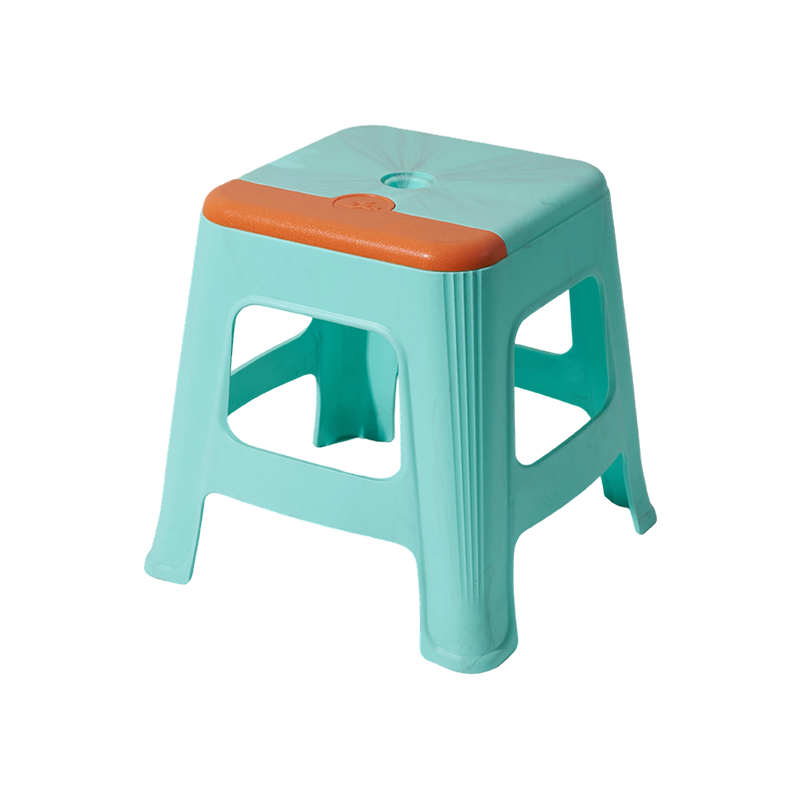
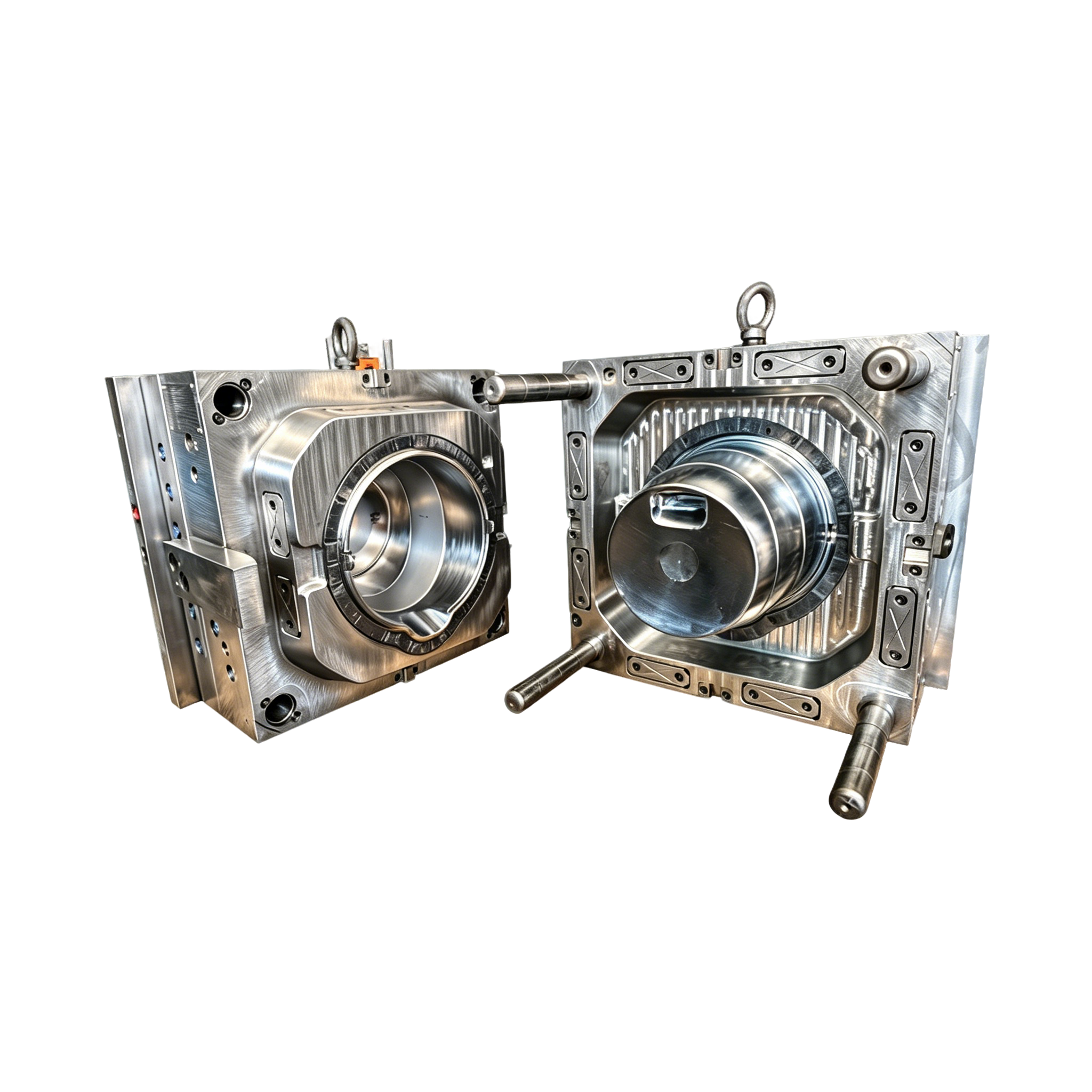
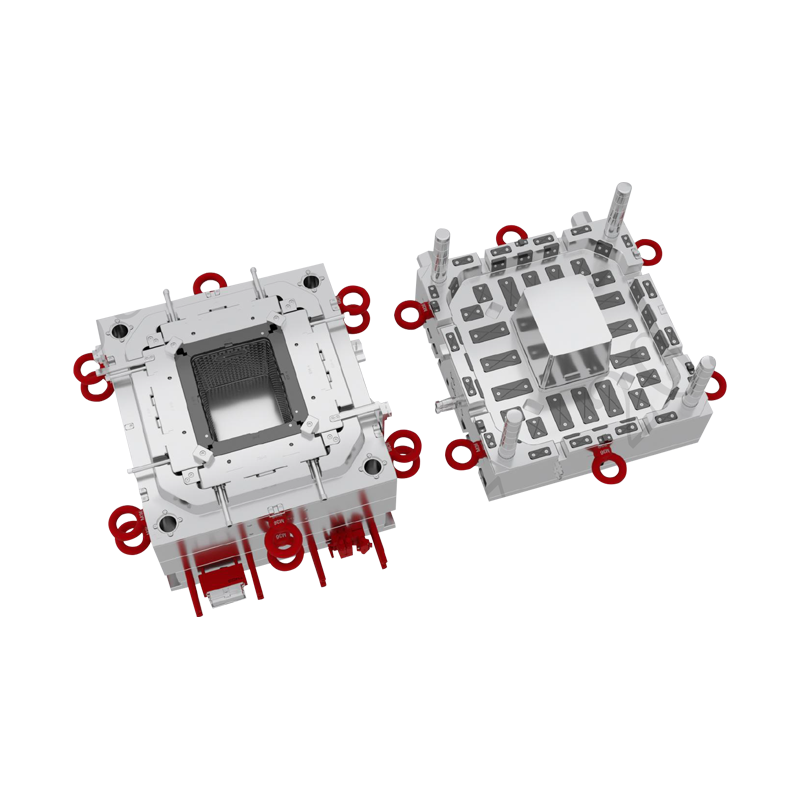
When developing a Stool Mould, manufacturers should examine how the plastic fills the seat, legs, reinforcing ribs, and other structural details. Identifying potential air-trapping locations during design review can help determine where venting may be needed.
Position Vents According to the Flow Path
Venting works best when its position reflects the way material moves through the cavity. Air often needs an escape route near the end of filling or in areas where the advancing melt may enclose it.
The appropriate vent locations depend on the product geometry, gate position, material, and molding conditions. Poorly positioned vents may leave trapped air in critical areas, while unsuitable vent dimensions can allow excessive flash or require frequent cleaning.
Manufacturers should therefore evaluate vent placement as part of the complete mold design rather than adding vents only after surface defects appear. Trial molding can then help confirm whether the selected arrangement supports consistent filling.
Balance Air Release With Flash Prevention
A mold vent must release air without allowing molten plastic to escape in an unacceptable amount. This balance depends on vent geometry, material behavior, cavity pressure, and the accuracy of the mold's mating surfaces.
If a vent is unsuitable for the selected material or operating conditions, flash may develop near the venting area. Conversely, vents that are too restrictive may not remove air effectively.
For buyers, it is useful to ask how venting will be evaluated during tooling development and how any resulting flash will be assessed. The objective is to establish an arrangement that supports filling while maintaining the required surface and dimensional quality.
Consider Difficult Areas Around Ribs and Legs
Plastic stools often contain reinforcing ribs and transitions between the seat and legs. These features support the product's structure but can also create complicated flow paths.
Air may become trapped where ribs intersect, where sections have different thicknesses, or where the melt reaches narrow regions late in the filling process. These areas should be reviewed during mold design because defects may not be visible across the entire product.
A manufacturer can assess the relationship between rib geometry, gate location, and venting requirements before finalizing the tooling. Where a defect appears during trials, the cause should be investigated systematically rather than assuming that additional venting alone will solve it.
Use Trial Results to Diagnose Surface Defects
Trial molding provides practical evidence about how the cavity fills under defined conditions. Manufacturers can inspect samples for burn marks, short shots, flash, weld lines, and other visible issues, then compare the results with the expected filling pattern.
Useful checks include:
- Recording the material and processing conditions used during the trial
- Identifying where defects occur on the molded stool
- Comparing defect locations with likely air-trapping areas
- Checking vent cleanliness and the condition of mating surfaces
- Adjusting one relevant variable at a time where practical
This approach helps distinguish venting problems from issues involving material preparation, temperature, injection settings, or gate design.
Keep Venting Features Clean and Serviceable
Vents can become less effective when residue or material deposits accumulate during repeated production. Regular inspection and suitable cleaning procedures help maintain the intended air-release path.
Maintenance should follow the mold design and the manufacturer's instructions. Vent areas should be cleaned without damaging their carefully formed surfaces or changing their dimensions. If a defect repeatedly returns after cleaning, the tooling and process conditions may require further evaluation.
For buyers planning long production runs, understanding vent maintenance requirements can help establish a practical service schedule and reduce avoidable interruptions.
Make Venting Part of Mold Quality Planning
A well-designed Stool Mould must manage material flow, trapped air, surface requirements, and routine maintenance as parts of the same production system. For overseas furniture manufacturers and tooling buyers, discussing vent locations, trial inspection criteria, and cleaning requirements before approval helps reduce uncertainty during production. By combining sound mold design with systematic testing, manufacturers can improve filling consistency and establish a more controlled process for producing plastic stools with the intended appearance and quality.
For exclusive deals and latest offers, sign up by entering your email address below.

 +86-18657672567
 sales@tzhqmould.com
celin@tzhqmould.com
 No. 17 Houshi Road, Beicheng Industrial Zone, Huangyan District, Taizhou City, Zhejiang Province, China
Copyright © Taizhou Huangyan Haiquan Plastic Mold Co., Ltd. All Rights Reserved
Injection Plastic Mould Maker

