

Why Does Dimensional Accuracy Matter in Plastic Stool Mold Manufacturing?
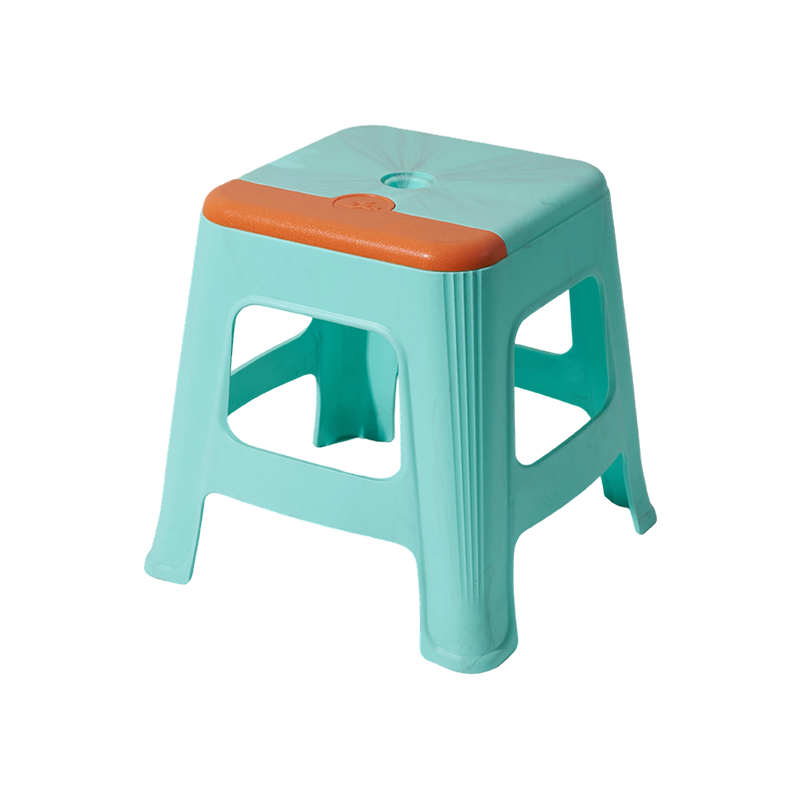
Admin 2026-10-23A plastic stool may appear to be a simple product, but its dimensions influence stability, assembly, appearance, and the way it fits into a production process. Small differences in leg height, seat geometry, or connecting sections can lead to uneven contact with the floor, inconsistent product appearance, or difficulties when components need to fit together. For furniture manufacturers purchasing tooling, dimensional accuracy should therefore be considered from the earliest design stage rather than checked only after the first molded samples are produced.

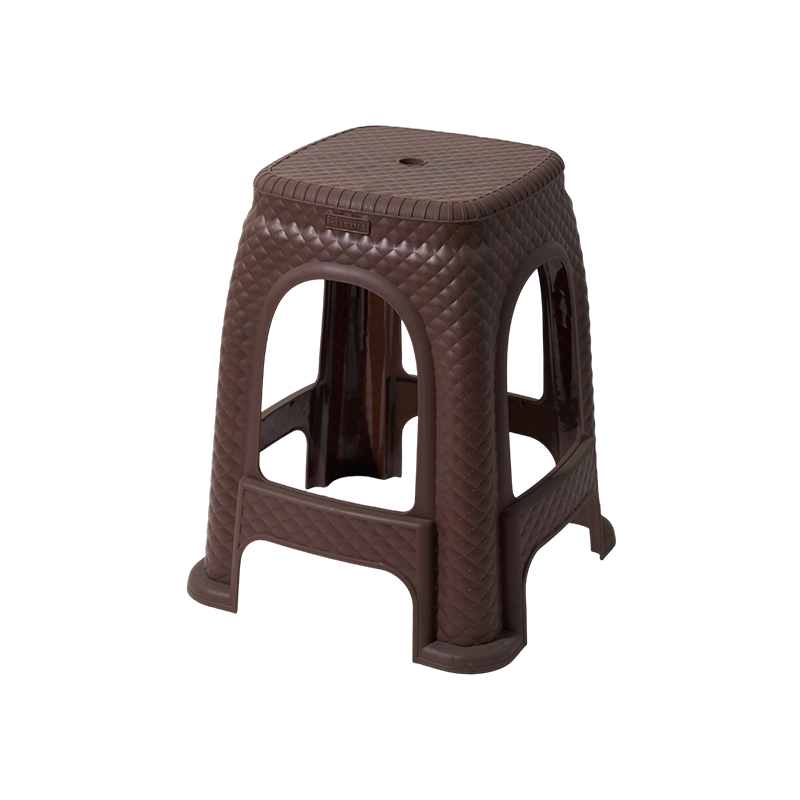
Identify the Dimensions That Matter Most
Not every dimension has the same influence on product performance. Overall height, seat dimensions, leg positioning, reinforcing features, and connection points may have different levels of importance depending on the stool design.
Before developing a Stool Mould, manufacturers should identify the critical dimensions and define acceptable tolerances in the product drawings. This provides a clear reference for mold design, machining, sample inspection, and later production checks.
A well-prepared drawing should also distinguish between functional dimensions and appearance-related requirements. Doing so helps the tooling team focus on the areas where dimensional variation could affect product use or downstream assembly.
Consider Material Shrinkage During Mold Design
Plastic parts change dimensions as the material cools and solidifies. The amount of shrinkage depends on the selected resin, part geometry, wall thickness, processing conditions, and other factors. Different sections of the same stool may not shrink at exactly the same rate.
Mold design must account for the expected behavior of the selected material. Simply applying one uniform allowance without considering the product structure may not produce the intended final dimensions.
For this reason, buyers should confirm the intended material grade before tooling begins. If the material changes later, the effect on shrinkage and dimensional stability should be evaluated instead of assuming that the existing mold will produce identical results.
Control Accuracy During Tool Manufacturing
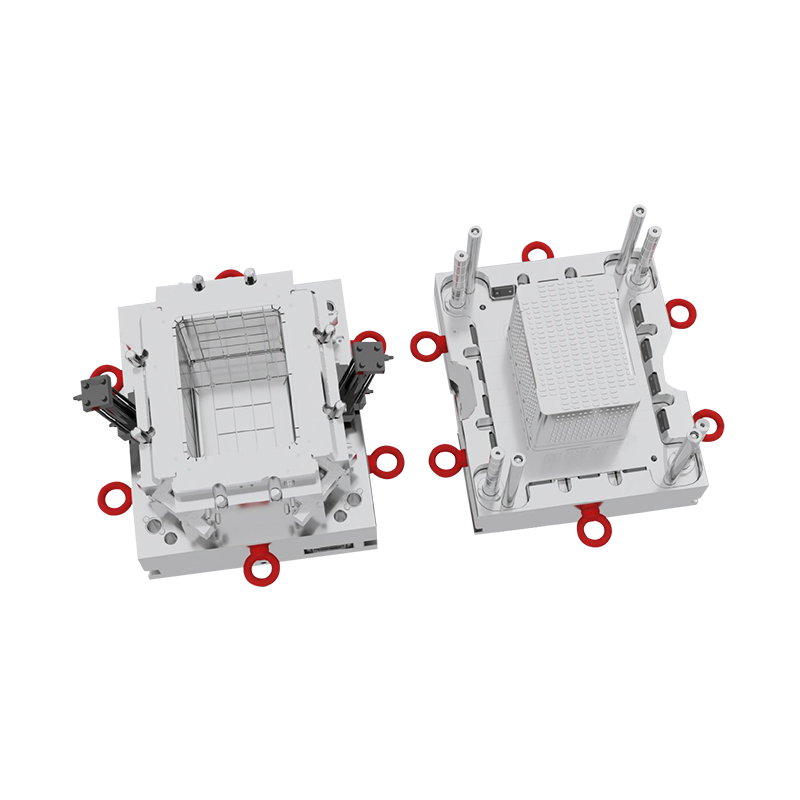
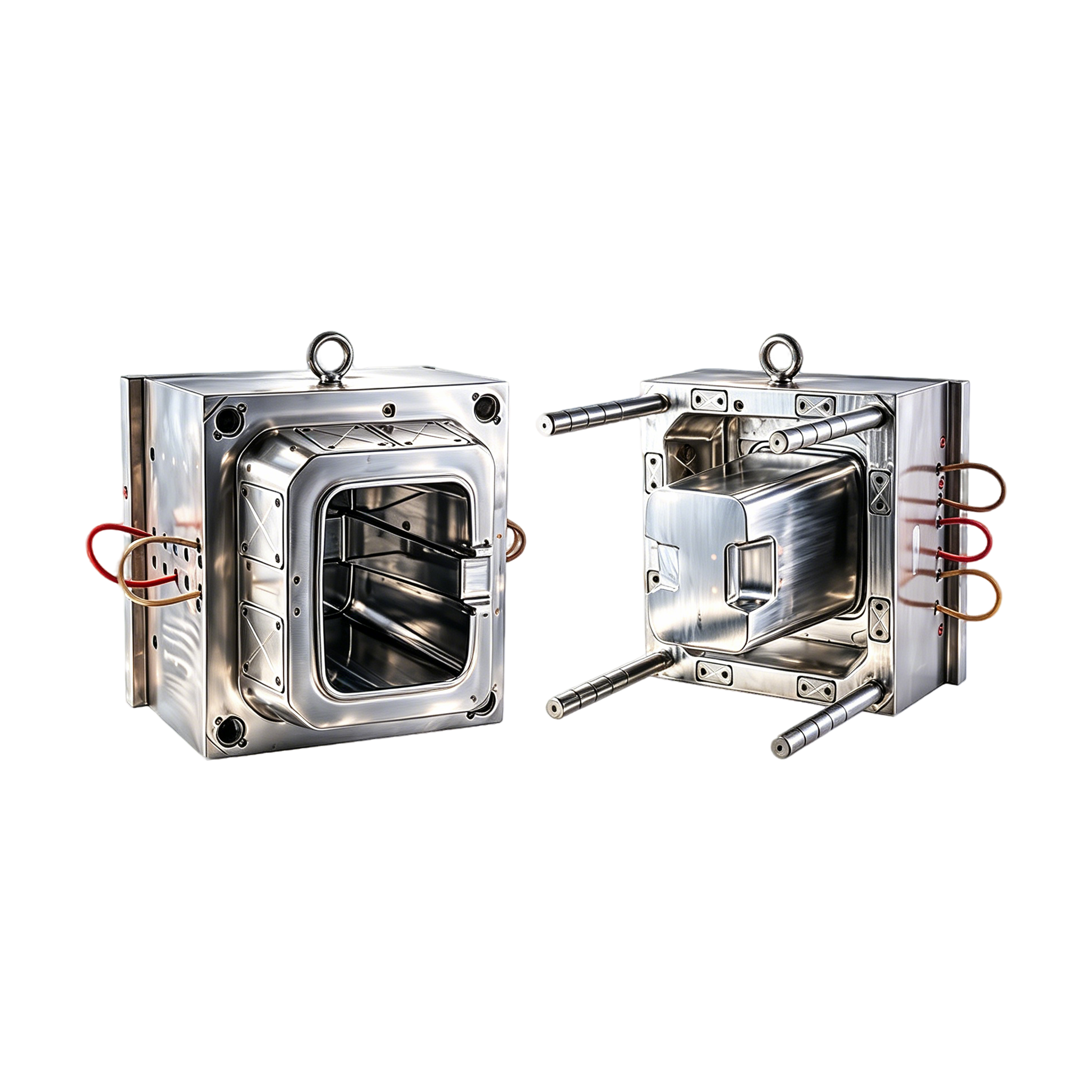
The quality of the finished mold depends partly on the accuracy of its cavity, core, moving components, and related features. Errors introduced during machining or assembly can affect the dimensions of molded stools even when the molding process is operated consistently.
Manufacturers should establish inspection procedures for critical tooling dimensions and verify that assembled components align with the approved drawings. Particular attention may be required around complex contours, leg transitions, and features that influence the final product's geometry.
A documented inspection process also creates a reference for troubleshooting if molded parts later show unexpected dimensional differences.
Check the Influence of Wall Thickness and Structure
Plastic stool designs often combine a seat, legs, reinforcing ribs, and connecting sections. Variations in wall thickness can influence cooling and shrinkage, which may lead to distortion or dimensional changes after ejection.
Design reviews should therefore examine the relationship between structural strength and consistent molding. Reinforcing ribs and transitions should be arranged to support the product's intended function without introducing unnecessary differences in material thickness.
For manufacturers, reviewing these details before machining begins is generally more practical than relying on repeated mold adjustments after trial production.
Measure Samples Under Consistent Conditions
The first molded samples provide an opportunity to compare the finished part against the approved drawings. However, measurement results are most useful when the inspection method and conditions remain consistent.
A practical sample inspection may include:
- Overall stool height and seat dimensions
- Leg length, spacing, and alignment
- Critical connection and assembly dimensions
- Flatness or warpage in relevant areas
- Visual defects that may indicate dimensional problems
The inspection record should identify the measured feature, the specified tolerance, and the actual result. If a dimension falls outside the agreed requirement, the manufacturer should investigate the cause before approving the mold for regular production.
Maintain Consistency Across Production Runs
Dimensional accuracy is not established once and then guaranteed indefinitely. Changes in material batches, processing settings, mold temperature, cooling conditions, or tooling wear may influence the finished product.
Manufacturers should define suitable inspection intervals based on the product and production process. Comparing samples from different production stages can help identify changes before they affect a large quantity of stools.
For overseas buyers, keeping approved drawings, material specifications, and sample records helps clarify requirements when placing repeat orders. Any proposed change to the tooling or material should be reviewed for its effect on the approved dimensions.
Make Measurement Part of Tooling Approval
A well-developed Stool Mould should produce parts that meet agreed dimensional and functional requirements under defined manufacturing conditions. For overseas furniture buyers, confirming critical tolerances, material specifications, sample inspection methods, and production controls before approval helps reduce uncertainty during mass production. By treating dimensional verification as part of the complete tooling process, manufacturers can improve repeatability and provide a more dependable foundation for plastic stool production.
For exclusive deals and latest offers, sign up by entering your email address below.

 +86-18657672567
 sales@tzhqmould.com
celin@tzhqmould.com
 No. 17 Houshi Road, Beicheng Industrial Zone, Huangyan District, Taizhou City, Zhejiang Province, China
Copyright © Taizhou Huangyan Haiquan Plastic Mold Co., Ltd. All Rights Reserved
Injection Plastic Mould Maker

