

How Can Flexible Mold Design Support Different Plastic Stool Designs?
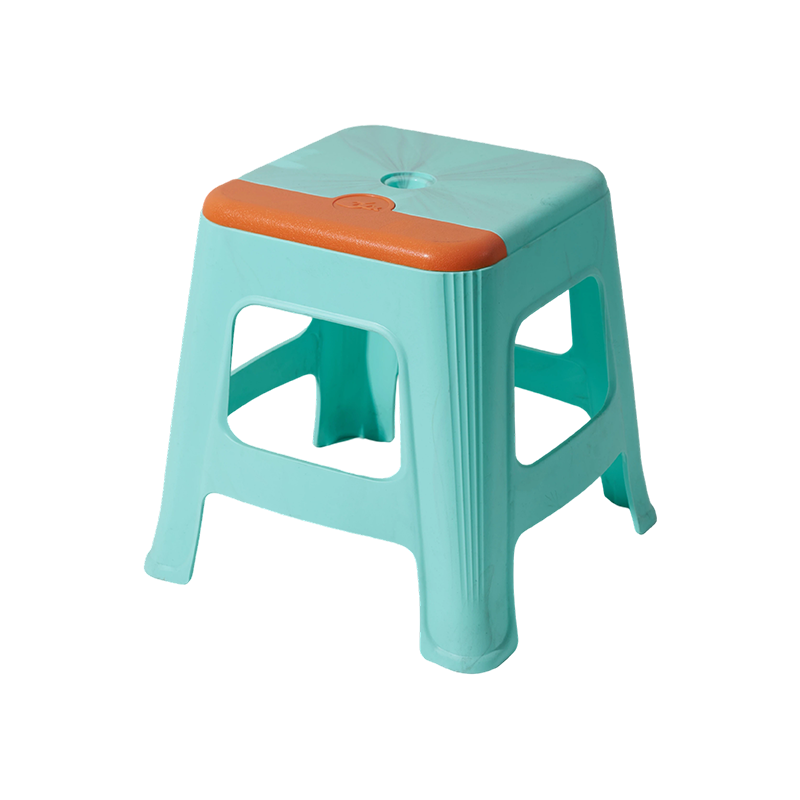
Admin 2026-10-16Plastic stool manufacturers often need to serve different market segments, from basic household seating to commercial furniture and compact outdoor products. These applications may require different seat shapes, leg structures, surface textures, colors, and load-bearing designs. Developing tooling without considering future product variations can make later changes expensive or technically difficult. For buyers investing in a Stool Mould, the key is to balance the requirements of the current product with realistic plans for customization, production volume, and future model development.
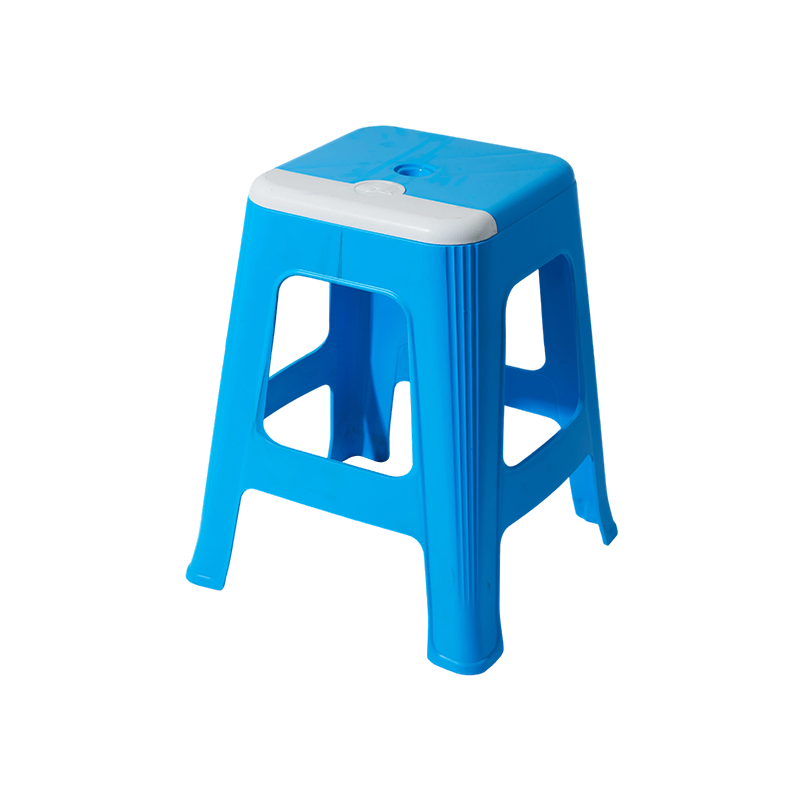
Define Which Product Features May Change
Before tooling begins, manufacturers should distinguish between essential structural features and appearance details that may vary between product versions. Seat dimensions, leg geometry, reinforcing ribs, and connection areas can influence the mold's fundamental design, while color and some surface finishes may be adjusted without changing the main cavity geometry.
This distinction helps buyers understand which modifications can be handled through production adjustments and which may require tooling changes. A clear product brief should identify the approved dimensions, material, surface finish, and any anticipated variations.
Discussing these requirements early allows the manufacturer to assess design flexibility before the mold structure is finalized.
Evaluate the Right Mold Configuration
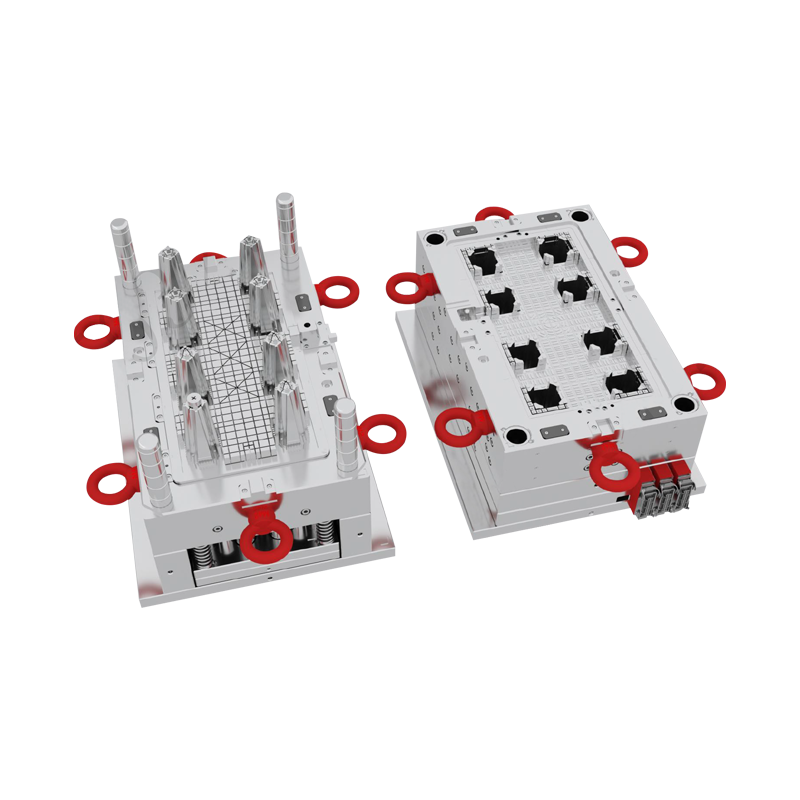
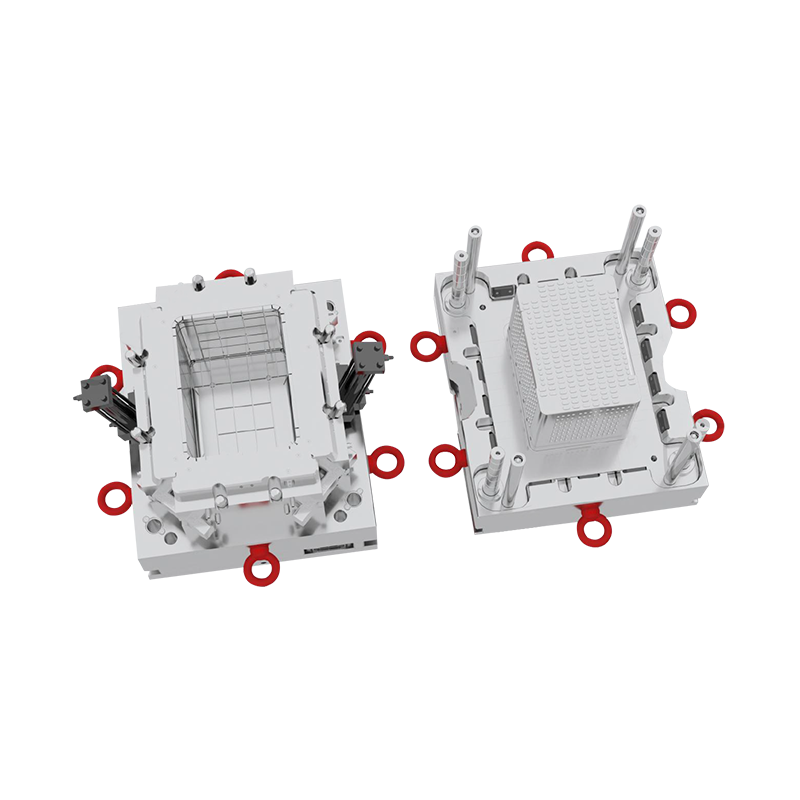
Mold configuration affects production capacity, tooling complexity, and the consistency of molded parts. Depending on the required output and product design, buyers may consider a single-cavity or multi-cavity arrangement.
A multi-cavity mold can produce several parts during one molding cycle, but the cavities need to fill and cool in a controlled manner. Differences in flow paths, temperature, or cavity dimensions can affect part consistency. The appropriate configuration therefore depends on the product size, machine capacity, expected production volume, and quality requirements.
Rather than selecting a mold based only on the number of cavities, buyers should evaluate the complete production setup with the manufacturer.
Plan Customization Without Compromising Structure
Product customization may involve changes to seat contours, leg profiles, surface patterns, logos, or overall dimensions. However, changes that appear small in a drawing can affect material flow, cooling, ejection, and the structural performance of the finished stool.
For example, changing the thickness around a leg connection may influence shrinkage and stiffness. Adding a recessed logo can affect the cavity surface and the way the molded part releases. These details should be reviewed before modifications are approved.
A manufacturer can assess the proposed changes against the existing tooling design and identify whether a revision is practical or whether a separate mold would be more suitable.
Match Tooling Investment to Production Volume
Expected output should influence the mold design from the beginning. A small production run may not justify the same tooling configuration as a product expected to remain in regular production for an extended period.
Buyers should consider the anticipated order volume, required cycle time, product complexity, and expected frequency of design changes. Tooling cost should be evaluated alongside production efficiency and the cost of maintaining consistent quality.
A useful planning discussion includes:
- Estimated demand for each product version
- Expected production frequency
- Required dimensional and appearance consistency
- Likelihood of future design revisions
- Available injection molding machine capacity
These details help the manufacturer recommend a configuration that fits the actual business requirement rather than simply increasing tooling complexity.
Confirm Compatibility With the Molding Machine
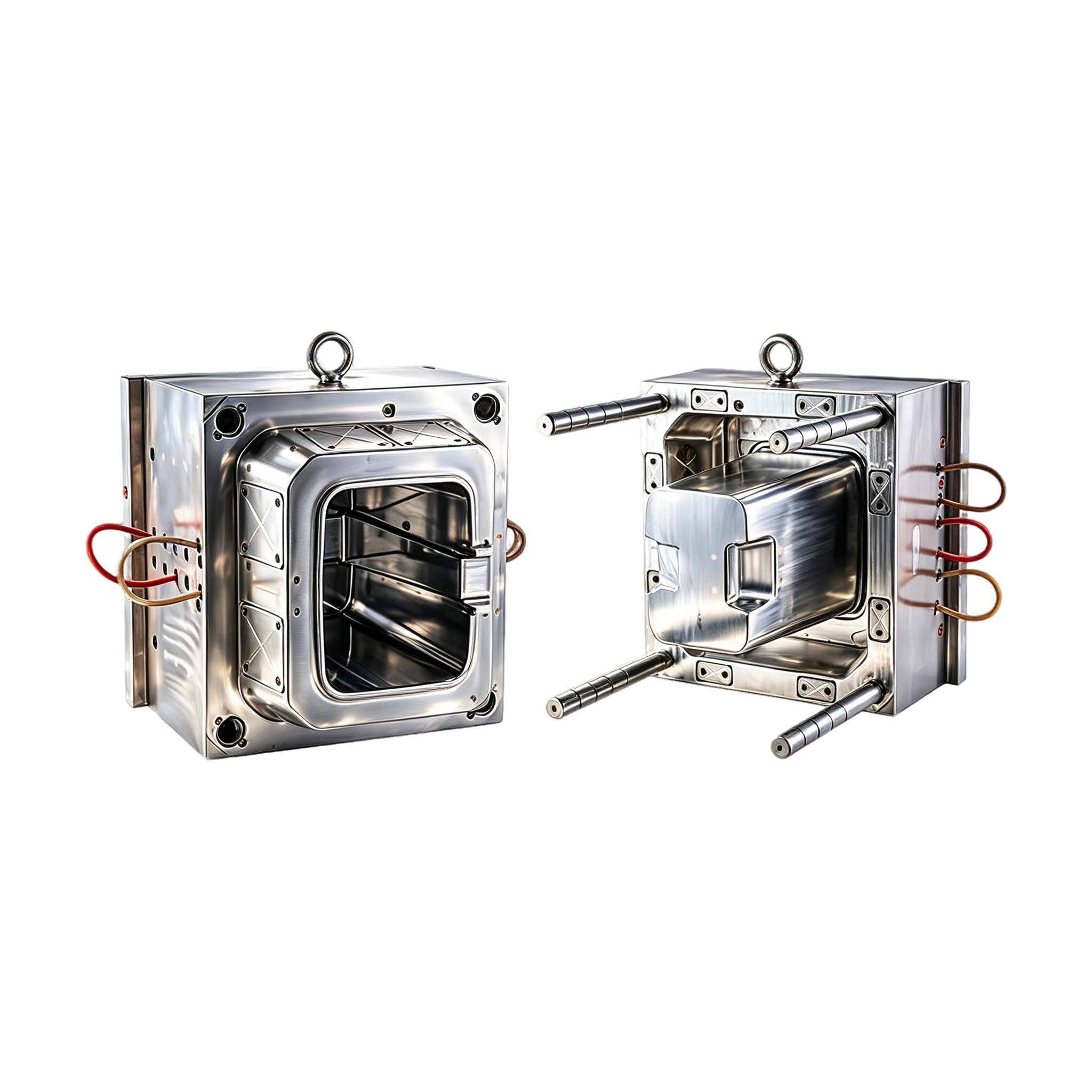
A mold must work within the operating limits of the intended injection molding machine. Mold dimensions, opening stroke, clamping requirements, injection capacity, and ejection arrangements can all affect compatibility.
For larger stool designs, the projected area of the molded part and the material's processing requirements are particularly important when assessing machine suitability. Buyers should provide the machine specifications if the mold will be used with existing equipment.
Checking compatibility before manufacturing helps reduce the risk of discovering that the completed mold requires a different machine arrangement or additional modifications.
Establish Clear Trial and Approval Procedures
Before mass production, trial molding should confirm that the mold can produce parts meeting the agreed specifications. Buyers and manufacturers should review dimensions, surface appearance, assembly-related details, and the consistency of samples produced under defined conditions.
If changes are required, each revision should be documented so that the approved design remains clear. Sample approval should also identify the material and processing conditions used during evaluation, helping establish a reference for later production.
This process is especially important when the mold is intended to support several related product models.
Build Future Production Needs Into the Decision
A well-planned Stool Mould should reflect both the current product and the manufacturer's realistic production goals. For overseas buyers, discussing customization boundaries, cavity configuration, machine compatibility, maintenance, and sample approval before tooling begins helps control development risks. Working directly with a manufacturer on these details creates a clearer path from product design to repeatable production and makes future product changes easier to evaluate.
For exclusive deals and latest offers, sign up by entering your email address below.
 +86-18657672567
 sales@tzhqmould.com
celin@tzhqmould.com
 No. 17 Houshi Road, Beicheng Industrial Zone, Huangyan District, Taizhou City, Zhejiang Province, China
Copyright © Taizhou Huangyan Haiquan Plastic Mold Co., Ltd. All Rights Reserved
Injection Plastic Mould Maker

