

Can Better Mold Design Reduce Defects in Plastic Stool Production?
Admin 2026-10-09Plastic stools are widely used in homes, commercial spaces, workshops, and outdoor settings because they are lightweight and easy to move. For manufacturers producing these products in volume, however, achieving consistent appearance and structural quality can be challenging. Warping, sink marks, short shots, and difficult demolding may increase scrap rates or interrupt production. Addressing these problems often begins before the first production run, with careful attention to part geometry, material flow, cooling, and mold construction.
Start With a Practical Product Structure
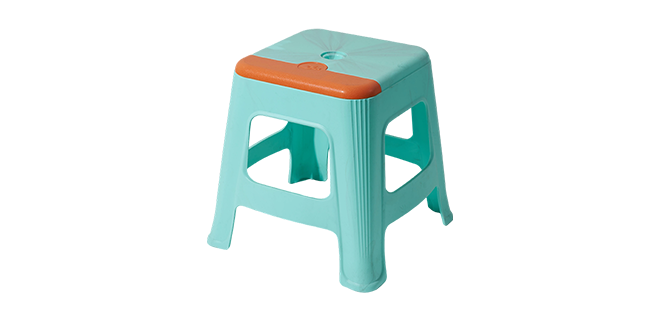
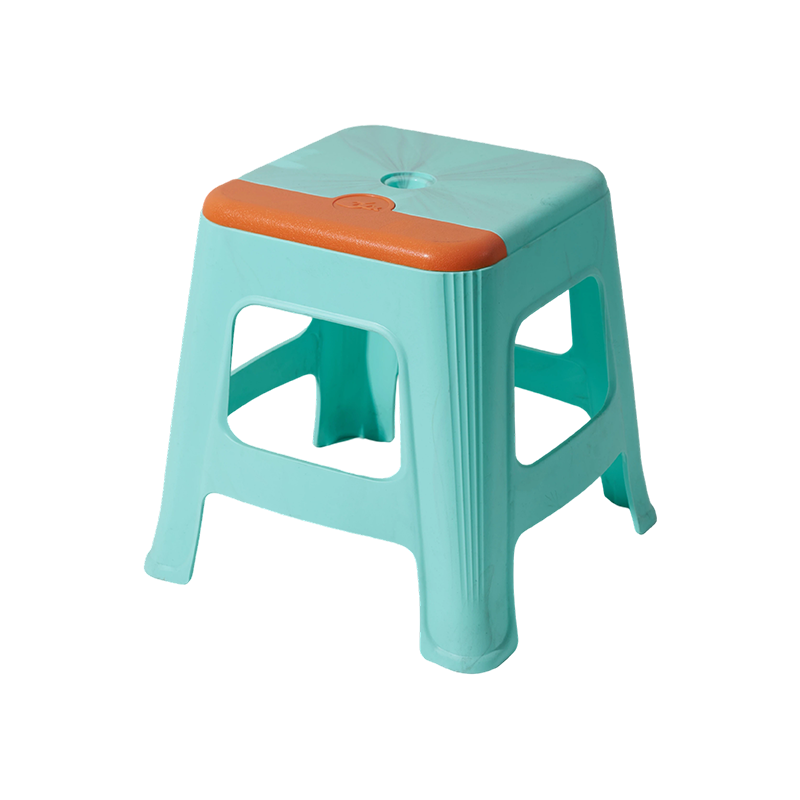
A stool's shape affects more than its appearance. Seat thickness, leg geometry, reinforcing ribs, and transitions between sections all influence how plastic fills the cavity and solidifies. Sudden changes in wall thickness may contribute to uneven cooling or visible sink marks, particularly where thicker sections contain more material.
When developing a Stool Mould, manufacturers should review the product structure alongside its intended load-bearing function and appearance requirements. Reinforcing ribs can improve stiffness without requiring uniformly thick walls, provided their dimensions and placement suit the material and molding process.
Early design reviews can identify potential problems before tooling is completed, reducing the need for extensive changes during trial production.
Improve Material Flow Through the Cavity
Uneven filling can result in incomplete sections, weld lines, or inconsistent surface appearance. These defects may be influenced by gate location, cavity layout, melt temperature, injection conditions, and the geometry of the part.
Mold design should provide a practical filling path that suits the stool's dimensions and structural features. Gate placement needs to be considered in relation to flow distance, visible surfaces, and areas where multiple flow fronts may meet.
For manufacturers, reviewing these factors during design helps establish a more controlled starting point for mold trials. Actual filling behavior still needs to be confirmed through testing because material characteristics and processing conditions can affect the result.
Balance Cooling Across the Product
Cooling has a direct influence on cycle time and dimensional stability. If different sections cool at substantially different rates, the molded stool may develop uneven shrinkage or distortion after ejection.
Cooling channels should be arranged with the part geometry and expected heat distribution in mind. Thick intersections, reinforcing ribs, and leg-to-seat connections may require particular attention because their cooling behavior can differ from that of thinner sections.
A well-planned cooling system can support more consistent production, but performance depends on channel design, coolant conditions, mold material, and operating settings. Manufacturers should verify cooling effectiveness during trials rather than relying on the layout alone.
Design for Smooth and Reliable Demolding
A molded part must be released from the cavity without excessive force or surface damage. Insufficient draft, unsuitable surface finishes, or poorly positioned ejector components can make demolding difficult.
For plastic stools, the underside may contain ribs, reinforcing structures, and recessed areas that complicate ejection. Draft angles should be considered early, while the ejector arrangement should distribute force appropriately across the part.
Useful design checks include:
- Confirming suitable draft on vertical surfaces
- Reviewing potential undercuts and trapped geometry
- Positioning ejectors to limit visible marks and local deformation
- Checking that the part can release without damaging ribs or legs
- Evaluating the effect of surface texture on ejection
These details can improve the transition from molding to handling and reduce repeated interruptions during production.
Use Mold Trials to Validate the Design
A completed mold should be evaluated under defined trial conditions before mass production begins. Initial samples allow manufacturers to examine dimensions, appearance, filling behavior, cooling, and demolding performance.
Trial results should be recorded against agreed product requirements. If a defect appears, the team should investigate whether it relates to mold geometry, material selection, processing settings, or a combination of factors. Changing several variables at once can make the underlying cause harder to identify.
A structured trial process provides a clearer basis for adjustments and helps confirm whether the tooling is ready for the intended production conditions.
Plan Maintenance Around Wear and Production Needs
Mold condition can change with repeated production. Wear on moving components, damage to cavity surfaces, blocked cooling passages, or residue around vents may affect product quality and operating stability.
Manufacturers should establish inspection and cleaning procedures appropriate to the mold design and production environment. Maintenance records can help identify recurring issues and determine when components require repair or replacement.
For buyers, it is also useful to clarify the expected maintenance requirements, spare components, and technical documentation before ordering tooling. These considerations influence long-term production planning as well as the initial mold investment.
Connect Mold Quality With Production Goals
A suitable Stool Mould should support the intended product geometry, material, surface finish, and manufacturing volume. For overseas furniture manufacturers and procurement teams, discussing structural design, filling behavior, cooling, ejection, and maintenance requirements early can reduce avoidable tooling changes. By combining design review with practical mold trials and documented quality checks, manufacturers can establish a more reliable process for producing plastic stools with consistent dimensions and appearance.
For exclusive deals and latest offers, sign up by entering your email address below.

 +86-18657672567
 sales@tzhqmould.com
celin@tzhqmould.com
 No. 17 Houshi Road, Beicheng Industrial Zone, Huangyan District, Taizhou City, Zhejiang Province, China
Copyright © Taizhou Huangyan Haiquan Plastic Mold Co., Ltd. All Rights Reserved
Injection Plastic Mould Maker

