

How Can Better Stool Mould Design Improve Plastic Furniture Production?
Admin 2026-10-02A plastic stool may look simple on the finished product, but producing the same shape consistently across large production runs requires careful tooling decisions. For manufacturers, problems such as uneven wall thickness, difficult demoulding, surface defects, deformation, and unstable cycle times can affect both production efficiency and final product quality. The mould therefore needs to be considered as part of the complete manufacturing process, rather than simply as a tool for forming the stool shape.
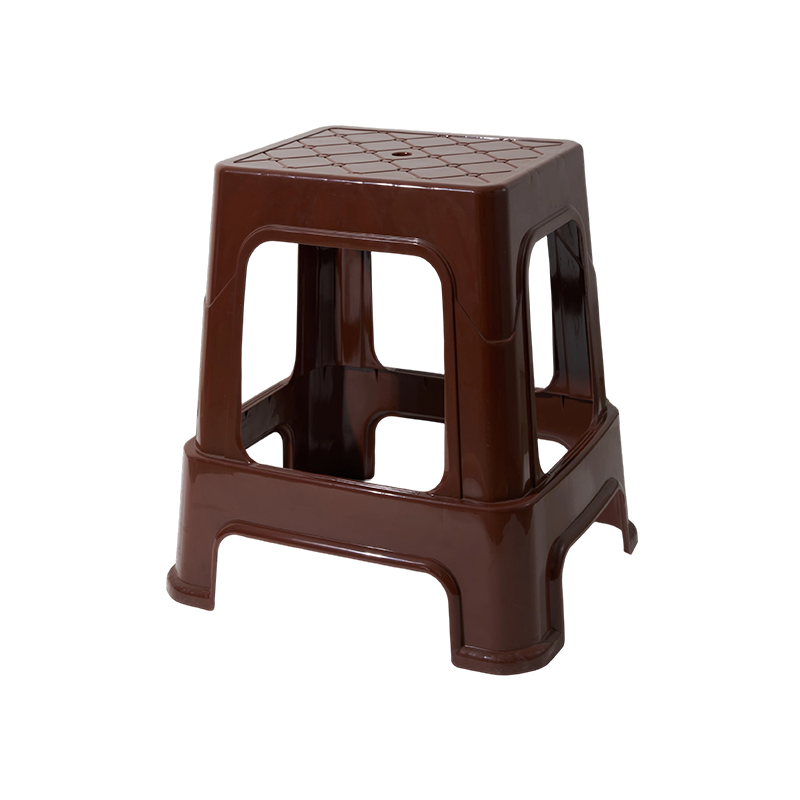
Start With the Stool Structure
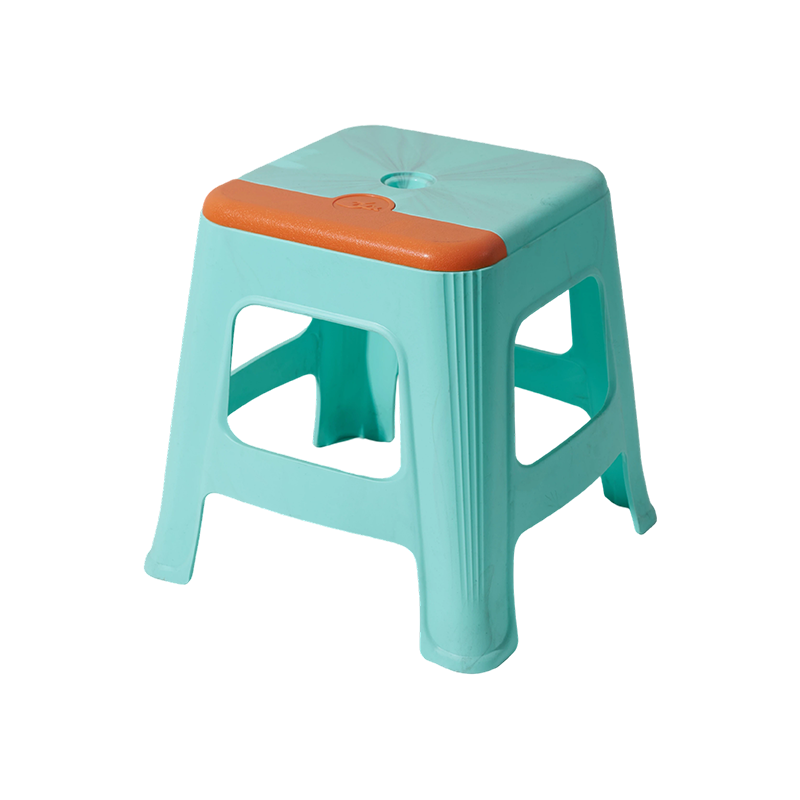
The first design decision should be based on how the finished stool will be used. A household stool, outdoor seat, step stool, or commercial product can have very different requirements for strength, weight, stacking, appearance, and cleaning.
From a manufacturing perspective, we examine the seat, legs, reinforcing ribs, corners, and connection areas together. Wall thickness should be considered carefully because major differences in thickness can influence shrinkage and cooling behavior. Rib placement also needs to provide structural support without creating unnecessary thick sections that are difficult to cool evenly.
Cooling Has a Direct Effect on Production Stability
Cooling is not simply the final step before ejection. It can strongly influence dimensional stability and cycle efficiency. Recent injection-molding research continues to examine the relationship between cooling time, mould temperature, shrinkage, and warpage.
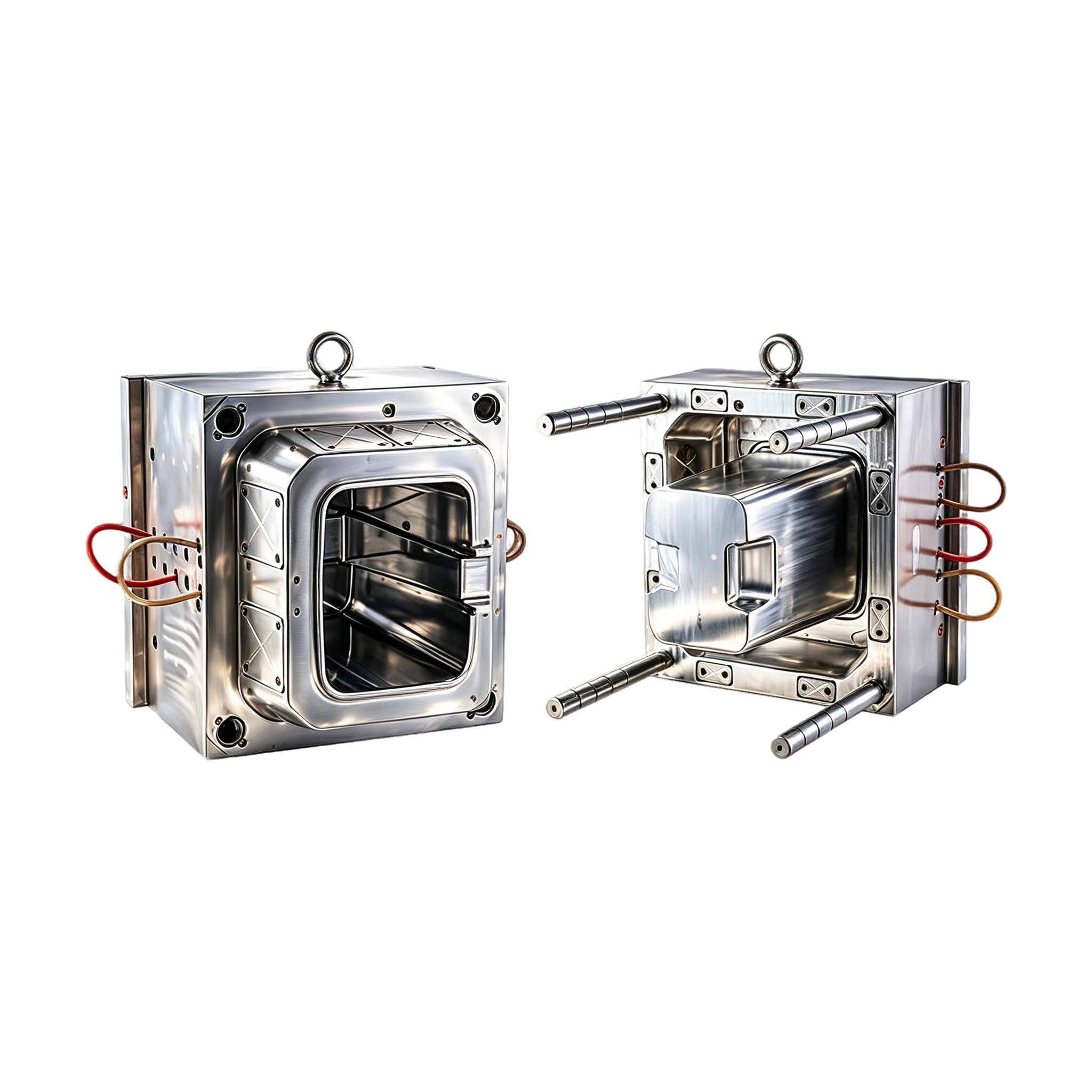
For a stool mould, cooling channels need to be planned around areas that retain more heat, particularly where the seat connects with the legs or where reinforcing structures create uneven material distribution. Poor temperature balance can lead to deformation after demoulding.
When developing a mould, manufacturers should therefore evaluate:
- Cooling channel position around critical areas
- Temperature balance between different mould sections
- Water flow and circuit accessibility
- Cooling requirements created by wall thickness and ribs
Reduce Warpage Before It Reaches Production
Warping can become a costly problem when the finished stool no longer sits evenly, stacks correctly, or maintains its intended appearance. Research published in 2026 highlights how systematic process optimization can help identify relationships between injection parameters, cooling conditions, and warpage instead of relying only on repeated trial and error.
For mould manufacturers, this means potential deformation should be considered during design rather than discovered after mass production begins. Gate position, material flow, cooling layout, wall thickness, and ejection direction all deserve attention before the tool enters production.
Make Demoulding Part of the Design
A mould may produce an attractive stool shape but still create production problems if the finished part cannot be released smoothly. Deep structures, undercuts, tight corners, and complex reinforcing features can increase the difficulty of ejection.
A practical design should provide suitable draft and an ejection strategy that distributes force across the product. This is particularly important for large plastic stools, where uneven ejection pressure can leave marks or contribute to deformation.
Match the Mould to the Material
Material selection should be discussed before the final tooling structure is fixed. Different plastics can behave differently during filling, cooling, shrinkage, and demoulding. PP, for example, is widely used for injection-moulded furniture applications, but the exact grade and formulation still need to match the product's structural and appearance requirements.
From a manufacturer's perspective, confirming the intended material early helps determine gate design, cooling considerations, processing conditions, and surface requirements instead of forcing the finished mould to accommodate an unsuitable material later.
Think Beyond the First Production Run
For B2B buyers, the useful life of a mould matters as much as the first sample. A production tool should be designed with maintenance access, replaceable wear components, cooling-channel cleaning, and inspection requirements in mind.
A well-planned tooling structure can make future maintenance more manageable and help manufacturers keep product dimensions and appearance consistent as production continues. It also gives engineering teams a clearer basis for troubleshooting when a moulded part develops a new defect.
Build the Tool Around the Production Goal
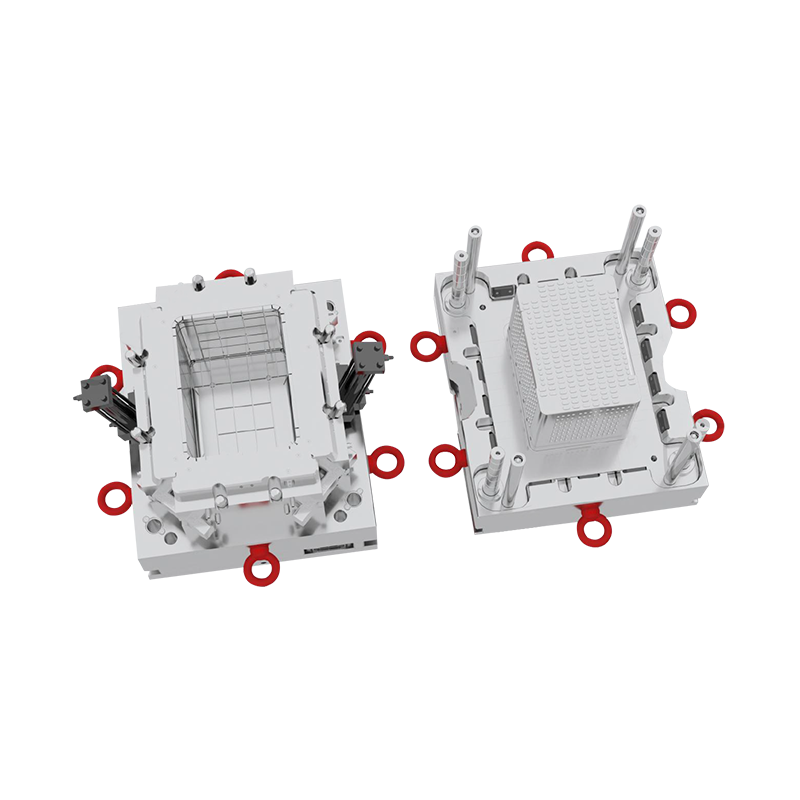
The right Stool Mould is not determined by appearance alone. It needs to connect product geometry with material behavior, cooling, ejection, production conditions, and long-term maintenance. For buyers working with an experienced manufacturer, discussing the complete production requirement before tooling begins can reduce avoidable revisions and improve the transition from mould testing to stable production.
For manufacturers developing plastic stools for different markets, thoughtful mould engineering provides a practical foundation for consistent parts, manageable production cycles, and reliable long-term tooling performance.
For exclusive deals and latest offers, sign up by entering your email address below.
 +86-18657672567
 sales@tzhqmould.com
celin@tzhqmould.com
 No. 17 Houshi Road, Beicheng Industrial Zone, Huangyan District, Taizhou City, Zhejiang Province, China
Copyright © Taizhou Huangyan Haiquan Plastic Mold Co., Ltd. All Rights Reserved
Injection Plastic Mould Maker

