

Is a Multi-Cavity Plastic Pot Mould the Right Choice for High-Volume Production?
Admin 2026-11-27As demand for nursery containers, garden planters, and commercial horticultural supplies continues to evolve, plastic product manufacturers are under pressure to improve production efficiency while keeping unit costs manageable. For factories handling large orders, injection moulding capacity can directly influence delivery schedules and manufacturing profitability. A multi-cavity Plastic Pot Mould offers an opportunity to produce several pots within one injection cycle, but increasing cavity numbers is not always the right solution. Buyers need to consider mould design, injection machine capacity, cooling performance, and product consistency before investing in high-volume tooling.
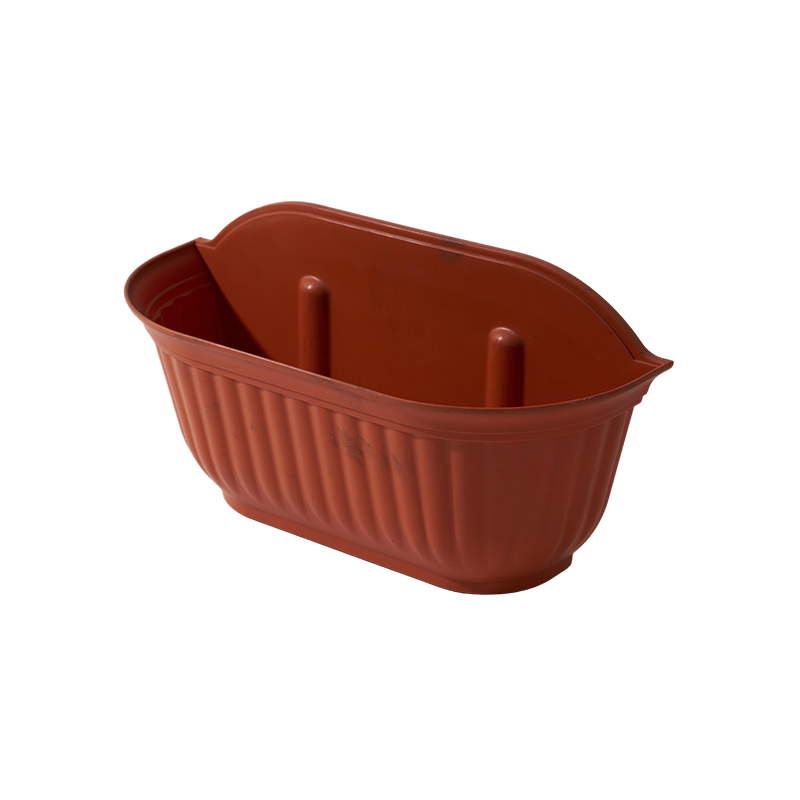
Why Are More Manufacturers Considering Multi-Cavity Moulds?
Plastic plant pots are frequently purchased in bulk by nurseries, greenhouse operators, garden centers, and agricultural suppliers. These customers may require large quantities of containers in consistent sizes and designs.
Producing one pot per cycle can limit output when order volumes increase. Multi-cavity moulds address this challenge by allowing multiple identical products to be formed during a single injection cycle.
Depending on the mould configuration, this approach can help manufacturers:
- Increase the number of products produced per cycle.
- Distribute machine operating costs across more finished units.
- Improve production planning for repeat orders.
- Support large-volume orders with more organized manufacturing schedules.
However, the actual productivity improvement depends on the complete moulding system, not simply the number of cavities.
How Many Cavities Should a Plastic Pot Mould Have?
Choosing the appropriate cavity count requires balancing production targets with technical limitations. A mould with more cavities may offer higher output, but it also requires greater control over material distribution, cooling, and ejection.
For example, producing small nursery pots may allow a different cavity arrangement from manufacturing large decorative planters. Larger products require more mould space and may demand greater injection capacity.
Before deciding on cavity numbers, engineers should evaluate:
- Plastic pot dimensions and wall thickness.
- Expected order volume and production schedule.
- Available injection moulding machine specifications.
- Required clamping force and injection capacity.
- Mould dimensions and installation space.
A practical cavity configuration should match the factory's equipment and production targets rather than pursuing the highest possible cavity count.
Why Is Balanced Filling Essential in Multi-Cavity Production?
One challenge in multi-cavity injection moulding is ensuring that each cavity receives an appropriate amount of molten plastic under suitable filling conditions.
If material distribution is unbalanced, some cavities may produce complete parts while others experience short shots, inconsistent wall thickness, or differences in product weight.
Runner layout, gate positioning, and cavity arrangement all influence filling balance. For plastic pots with relatively thin walls, these factors require particular attention because variations in material flow can affect structural strength and appearance.
During mould development, engineers can use mould flow analysis to assess potential filling issues. Trial production then helps verify whether each cavity produces acceptable parts under actual processing conditions.
Can Cooling System Design Affect Overall Production Output?
Cooling is often a major factor in determining the injection moulding cycle. After molten plastic enters the cavity, it needs sufficient cooling to develop the required shape and stiffness before ejection.
In multi-cavity moulds, maintaining consistent temperature distribution across all cavities becomes more challenging. Uneven cooling may result in different shrinkage behavior, warpage, or dimensional variations between products.
A suitable cooling system should consider the geometry of each pot, wall thickness, mould layout, and cooling channel distribution.
Efficient cooling does not simply mean reducing cooling time. It must also maintain product quality and ensure that parts can be ejected without deformation.
What Role Does Ejection Design Play in Continuous Production?
Plastic pots often feature tapered sidewalls, reinforced rims, and drainage structures. These design elements can influence how easily the finished product separates from the mould.
If ejection is uneven or excessive force is applied, the pot may become distorted or develop surface marks. This can create additional inspection work and reduce the number of acceptable products per production run.
For multi-cavity tooling, ejection systems should provide consistent release across all cavities. Draft angles, surface finish, ejector positioning, and product geometry should be reviewed together during mould design.
A reliable ejection arrangement helps manufacturers maintain a smoother production process, particularly when running repeated high-volume orders.
What Should Buyers Confirm Before Ordering a Multi-Cavity Mould?
For overseas buyers, purchasing a multi-cavity mould involves both tooling investment and production planning. Before confirming an order, it is important to discuss the following details with the manufacturer:
- Product drawings, dimensions, and material specifications.
- Required cavity quantity and estimated production volume.
- Injection machine model and available technical parameters.
- Expected product weight and dimensional tolerances.
- Cooling and ejection requirements.
- Trial moulding, inspection, and acceptance procedures.
Clear technical communication helps prevent situations where a mould is completed but cannot operate efficiently on the buyer's existing injection machine.
Building a More Efficient Plastic Pot Manufacturing Process
High-volume production requires coordination between mould engineering, injection equipment, materials, and quality inspection. A well-designed multi-cavity mould can support higher output and more organized production, but its configuration must reflect the actual manufacturing environment.
As a Plastic Pot Mould manufacturer, we understand that every project has different requirements for product dimensions, cavity numbers, machine compatibility, and production capacity. By evaluating these factors before tooling development, we aim to help customers select practical mould solutions that support consistent manufacturing and long-term production planning.
For exclusive deals and latest offers, sign up by entering your email address below.
 +86-18657672567
 sales@tzhqmould.com
celin@tzhqmould.com
 No. 17 Houshi Road, Beicheng Industrial Zone, Huangyan District, Taizhou City, Zhejiang Province, China
Copyright © Taizhou Huangyan Haiquan Plastic Mold Co., Ltd. All Rights Reserved
Injection Plastic Mould Maker

