

Is Mold Surface Finish Affecting the Quality of Your Plastic Parts?
Admin 2026-09-11When a molded plastic component looks different from the approved sample, the problem may not always come from the plastic material or injection machine. The mold surface itself has a direct influence on gloss, texture, release behavior, and the visual consistency of the finished part. For overseas buyers working with Plastic Injection Molding Manufacturers, understanding how mold surface preparation affects production can help prevent cosmetic problems before they become repeated quality issues.
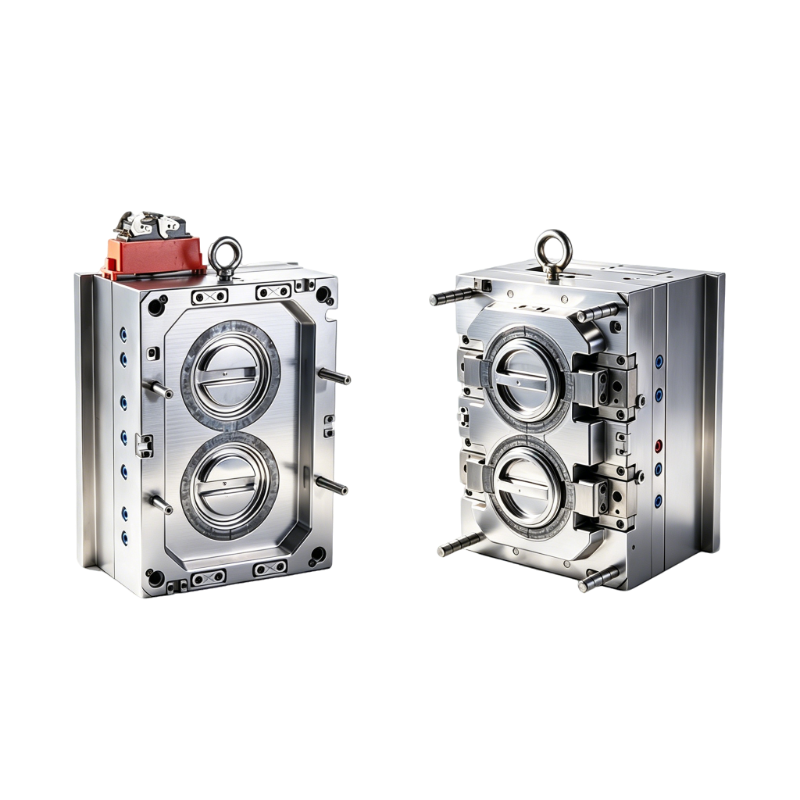
Why Does Mold Surface Finish Matter?
The cavity surface is effectively transferred to the molded component during production. A polished cavity can create a different visual effect from an etched or textured surface, while even small inconsistencies may become visible on large cosmetic areas.
For components used in consumer electronics, appliances, automotive interiors, equipment housings, or other appearance-sensitive applications, surface requirements should therefore be defined during mold development rather than added after machining.
A professional mold manufacturer considers the required appearance together with the part geometry, plastic material, and production process.
How Can Texture Improve More Than Appearance?
Mold texture is often associated with visual design, but its role can extend beyond appearance. A suitable texture may help reduce the visibility of minor surface imperfections, provide a specific tactile effect, or support the design language of a finished product.
However, texture selection needs to match the application. Deep or complex textures can influence demolding, while certain surface patterns may require additional attention to draft and cavity processing.
This is why texture should be treated as an engineering decision rather than simply a decorative option.
Where Do Surface Problems Usually Begin?
Inconsistent appearance can result from several stages of mold development. The issue may originate from cavity machining, polishing, texturing, contamination, material behavior, or differences between mold cavities.
For multi-cavity tooling, consistency becomes particularly important because all cavities need to produce parts with comparable visual characteristics.
Manufacturers should pay attention to:
- Cavity machining accuracy
- Polishing or texturing requirements
- Surface cleanliness
- Cavity-to-cavity consistency
- Parting-line visibility
- Draft and demolding conditions
Addressing these factors early can reduce the risk of cosmetic variation during production.
Can Poor Surface Preparation Affect Mold Release?
Surface finish and part release are closely connected. If the cavity surface, draft design, or local geometry makes ejection difficult, the molded part may show drag marks, scuffing, or other visible defects.
This is especially relevant for textured surfaces because the texture can increase mechanical interaction between the plastic and cavity wall.
As a mold manufacturer, we evaluate the relationship between surface treatment and ejection design during tooling development. The objective is to achieve the requested appearance without creating unnecessary difficulties during demolding.
How Should Buyers Specify Cosmetic Requirements?
A vague instruction such as "smooth finish" or "matte surface" can lead to different interpretations between suppliers and customers. Overseas buyers can make projects easier to control by providing clear references and defining which areas of the part are visually critical.
Useful information may include:
- Surface finish requirements by part area
- Texture reference or sample
- Gloss expectations
- Critical cosmetic zones
- Acceptable marks or limitations
- Inspection method for appearance
Clear specifications allow the mold engineering team to translate visual expectations into practical tooling requirements.
Why Does Cavity Consistency Matter in Multi-Cavity Molds?
When several cavities produce the same component, buyers expect the finished parts to look and fit alike. Differences in cavity polishing, texturing, machining, or wear can create noticeable variation.
For this reason, multi-cavity mold manufacturing requires controlled processing and inspection rather than simply duplicating cavity geometry.
A capable manufacturer can coordinate cavity machining, surface preparation, dimensional inspection, and trial production so that visual quality is considered throughout the tooling process.
What Should a Mold Manufacturer Control?
A reliable mold is not defined only by whether it produces the correct part dimensions. For appearance-sensitive components, surface quality is also part of the tooling performance.
Plastic Injection Molding Manufacturers with integrated mold design, precision machining, surface finishing, assembly, and trial capabilities can address these factors within one development process. By evaluating mold surface requirements before production begins, manufacturers can help overseas buyers achieve more consistent cosmetic parts, reduce avoidable surface defects, and build tooling that supports stable long-term production.
For exclusive deals and latest offers, sign up by entering your email address below.



 +86-18657672567
 sales@tzhqmould.com
celin@tzhqmould.com
 No. 17 Houshi Road, Beicheng Industrial Zone, Huangyan District, Taizhou City, Zhejiang Province, China
Copyright © Taizhou Huangyan Haiquan Plastic Mold Co., Ltd. All Rights Reserved
Injection Plastic Mould Maker

