

Why Can a Well-Designed Injection Mold Still Need Multiple Trials?
Admin 2026-09-04For overseas product developers, the first mold trial is an important checkpoint, but an unsatisfactory sample does not always mean the tooling project has failed. Injection molding involves the interaction of mold structure, plastic material, machine settings, cooling, filling, and part geometry. Even a carefully engineered tool may need refinement after the first trial. Experienced Plastic Injection Molding Manufacturers understand this process and use each trial to identify the source of a problem, adjust the tooling where necessary, and move the project closer to stable production.
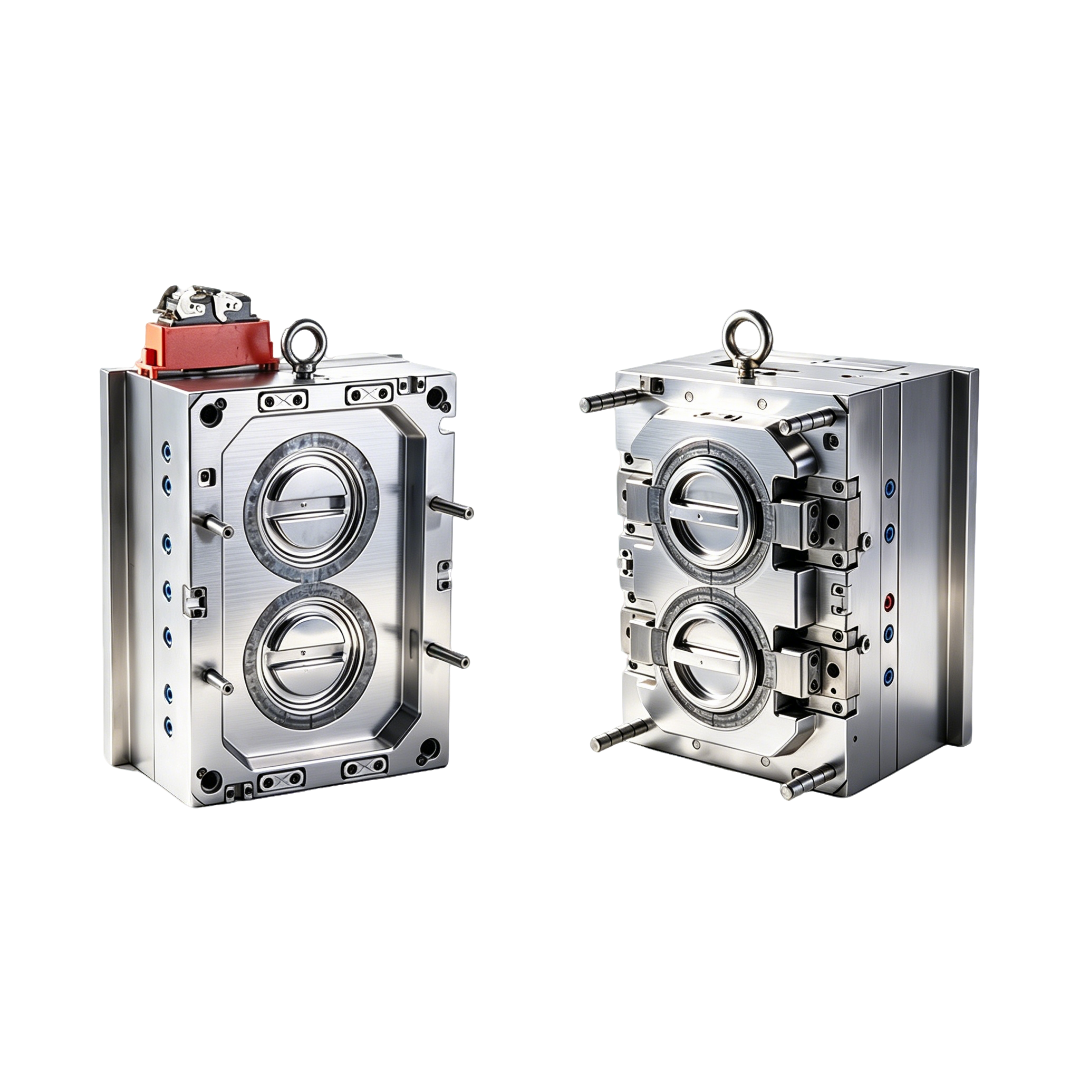
The Mold Is Only One Part of the Process
A mold can be manufactured according to the approved design and still produce unexpected results during molding. Plastic flow, shrinkage, cooling behavior, and ejection can change how the finished part looks and performs.
For example, a part may show warpage, sink marks, short shots, flash, or dimensional variation during the initial trial. These issues need to be traced back to their actual causes instead of being treated as simple machine-setting problems.
This is where manufacturing experience becomes valuable. A capable mold maker evaluates the relationship between the tool and the molded component rather than looking at one parameter in isolation.
Part Geometry Can Create Hidden Challenges
Complex geometry often creates risks that are difficult to identify from a basic drawing alone. Thin walls, deep ribs, bosses, sharp transitions, undercuts, and uneven sections can all influence filling and cooling.
Before machining begins, mold engineers can review areas such as:
- Wall thickness distribution
- Draft angles and ejection conditions
- Gate position and plastic flow
- Parting line selection
- Cooling channel arrangement
- Insert and slider requirements
- Areas with higher shrinkage or deformation risk
A detailed review does not mean changing the customer's product unnecessarily. The goal is to identify potential molding difficulties while modifications are still easier to manage.
Cooling Design Has a Major Influence
Cooling is one of the areas that can be overlooked when buyers focus mainly on cavity appearance and mold structure. During injection molding, different sections of a part may cool at different rates, particularly when wall thickness varies.
An unsuitable cooling layout can contribute to longer cycles or inconsistent part dimensions. For this reason, mold manufacturers need to consider cooling channels during the early design stage rather than treating them as a secondary feature.
The cooling strategy should correspond with the part geometry, material characteristics, expected production conditions, and available molding equipment.
The First Trial Provides Useful Engineering Feedback
A mold trial is not simply a pass-or-fail inspection. It provides practical information about how the tool behaves under actual molding conditions.
Manufacturers can examine the molded samples and compare them with the approved requirements. Depending on the results, adjustments may involve the gate, venting, ejection system, cooling arrangement, inserts, or selected mold dimensions.
This trial-and-improvement process is particularly important for custom plastic components where appearance, assembly fit, and dimensional requirements must work together.
Not Every Problem Requires Mold Modification
One common mistake is assuming that every molding defect requires machining changes. Some issues may come from material preparation, molding conditions, machine capability, or process settings.
A professional manufacturer should first determine whether the problem originates from the mold, the molding process, or the interaction between them.
This distinction can prevent unnecessary modifications and help buyers avoid repeated correction cycles that do not address the real cause.
Engineering Communication Keeps Revisions Under Control
For international projects, clear communication becomes especially important when a trial sample requires adjustment. Buyers need to understand what happened, why it happened, and what action the manufacturer recommends.
Useful trial feedback may include:
- The location and type of defect
- Possible technical cause
- Recommended tooling adjustment
- Expected effect of the adjustment
- Sample requirements for the next trial
This creates a more transparent development process and allows product engineers to make informed decisions instead of simply approving another trial.
Manufacturing Capability Matters After the First Sample
The real objective of mold development is not merely to produce one acceptable sample. The mold must support repeatable production under defined conditions.
Plastic Injection Molding Manufacturers with in-house engineering, mold machining, trial molding, correction, and production capabilities can manage the development process more directly. When the same manufacturing team understands the tool from initial design through sampling and production preparation, technical feedback can be carried from one stage to the next.
For overseas buyers, this integrated approach can reduce communication gaps and make custom injection molding projects easier to manage. A well-developed mold is ultimately one that not only produces an approved sample, but also provides a practical foundation for consistent production.
For exclusive deals and latest offers, sign up by entering your email address below.

 +86-18657672567
 sales@tzhqmould.com
celin@tzhqmould.com
 No. 17 Houshi Road, Beicheng Industrial Zone, Huangyan District, Taizhou City, Zhejiang Province, China
Copyright © Taizhou Huangyan Haiquan Plastic Mold Co., Ltd. All Rights Reserved
Injection Plastic Mould Maker

