

What Should Manufacturers Consider When Developing a Plastic Pot Mould for Different Designs?
Admin 2026-11-06Plastic plant pots are available in a wide range of shapes, sizes, colors, and functional designs. From simple nursery containers to decorative planters for home gardens, each product places different demands on the moulding process. For manufacturers serving overseas markets, developing a suitable Plastic Pot Mould involves more than reproducing the appearance of a sample. Mould structure, drainage design, material flow, demoulding, and production efficiency all influence the final product. Understanding these factors early can help buyers avoid repeated design changes and build a more practical production solution.
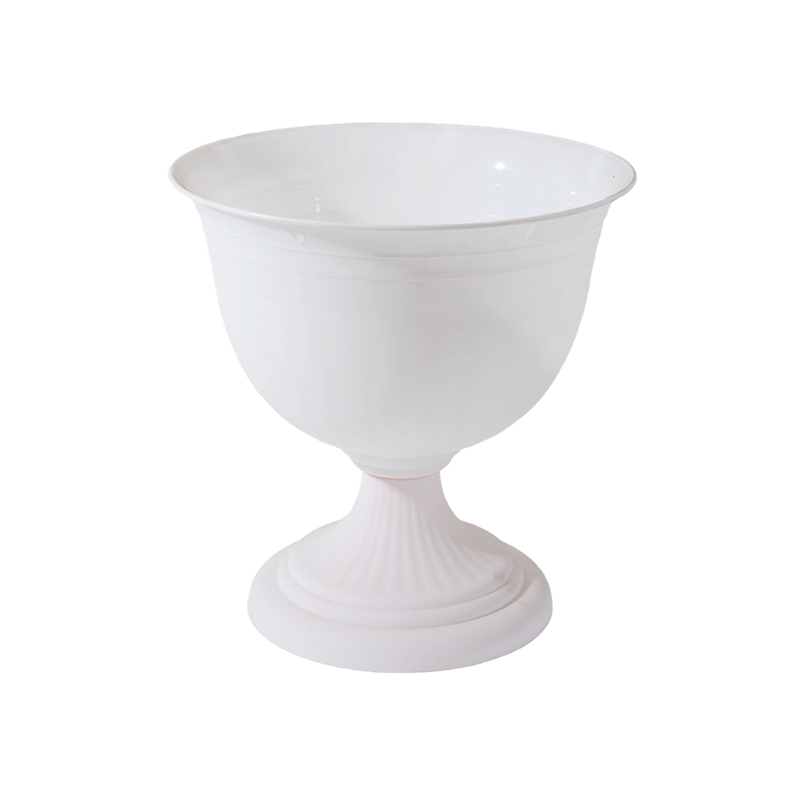
Start With the Intended Pot Design
Before mould development begins, manufacturers should understand where the finished pot will be used. A small nursery pot may prioritize convenient handling and efficient stacking, while a decorative planter may require a more distinctive profile and carefully designed surface details.
These differences affect the mould design from the beginning. Buyers should provide drawings or samples that show the overall dimensions, wall structure, bottom shape, rim design, and any decorative features. It is also useful to clarify whether the product will be sold individually, supplied in sets, or used by commercial growers.
A clear product brief gives the mould manufacturer a better basis for evaluating the tooling structure and production requirements.
Drainage Design Requires More Than Adding Holes
Drainage is an important functional consideration for many plant pots. Poorly positioned or insufficient drainage openings may affect water discharge, while openings that are difficult to mould can create additional manufacturing challenges.
During mould development, engineers need to consider the number, size, and position of drainage holes in relation to the pot base and overall structure. The design should also account for how these features will be formed and whether they could create difficulties during demoulding.
For buyers developing planters for different plant categories, drainage requirements should be confirmed before the mould design is finalized rather than treated as a minor detail at the end of development.
Wall Thickness Affects Product Consistency
Uneven wall thickness can influence the appearance, rigidity, and dimensional consistency of a plastic pot. Areas around the base, rim, corners, or decorative patterns may require particular attention because material distribution can vary with product geometry and mould design.
A mould manufacturer should review the relationship between wall thickness, material flow, cooling conditions, and the intended production process. The goal is not simply to make every section as thick as possible, but to develop a structure that meets the product's functional requirements without unnecessary material use.
This is especially relevant for buyers producing several pot sizes, as different dimensions may require different tooling considerations.
Demoulding Should Be Considered During Design
A pot may look straightforward in a product drawing but still present challenges when it needs to be released from the mould. Deep sidewalls, narrow openings, complex textures, and certain decorative profiles can affect demoulding.
Engineers should evaluate draft angles, surface finishes, parting lines, and the position of ejection components. These details help reduce the risk of deformation, surface marks, or damage during product removal.
For nested pots, the external and internal shapes also need to be considered together. A design that looks attractive but cannot be released consistently may create unnecessary production adjustments.
Material Selection and Mould Compatibility Matter
Plastic pot manufacturers may work with different materials depending on product positioning, required flexibility, appearance, and intended use. The selected resin can influence shrinkage, cooling behavior, surface finish, and moulding conditions.
Buyers should communicate the intended material before tooling starts. Changing the material after mould completion may require process adjustments and, in some cases, further evaluation of the mould design.
It is also important to clarify whether recycled or blended materials will be used, since material characteristics can vary. Early communication helps the manufacturer assess potential processing considerations before they become production problems.
Trial Moulding Helps Identify Design Issues
A mould drawing cannot reveal every issue that may appear during actual production. Trial moulding provides an opportunity to inspect the sample and evaluate whether the mould performs as expected.
During this stage, manufacturers can review:
- Product dimensions and overall shape
- Wall thickness and surface appearance
- Drainage hole formation
- Demoulding performance
- Stacking and fitting requirements
- Visible defects and areas requiring adjustment
Feedback should be based on both the sample and the intended production conditions. Clear records of requested changes also help buyers and mould manufacturers keep the approval process organized.
Plan for Repeat Production and Future Product Lines
For overseas buyers, a mould is a long-term production asset rather than a one-time purchase. Its design should support the expected order structure, product range, and future development plans. Buyers introducing several related planter models may benefit from discussing shared design features, interchangeable components where technically suitable, and maintenance arrangements with the mould supplier.
As a Plastic Pot Mould manufacturer, we consider product function, material characteristics, mould structure, demoulding, and trial results together during development. By communicating product requirements clearly and evaluating samples before mass production, buyers can make more informed tooling decisions and develop plastic plant pots that better match their target markets.
For exclusive deals and latest offers, sign up by entering your email address below.

 +86-18657672567
 sales@tzhqmould.com
celin@tzhqmould.com
 No. 17 Houshi Road, Beicheng Industrial Zone, Huangyan District, Taizhou City, Zhejiang Province, China
Copyright © Taizhou Huangyan Haiquan Plastic Mold Co., Ltd. All Rights Reserved
Injection Plastic Mould Maker

