

Round Food Storage Container Injection Mould: Precision Tooling for Efficient Plastic Container Production
Admin 2026-08-13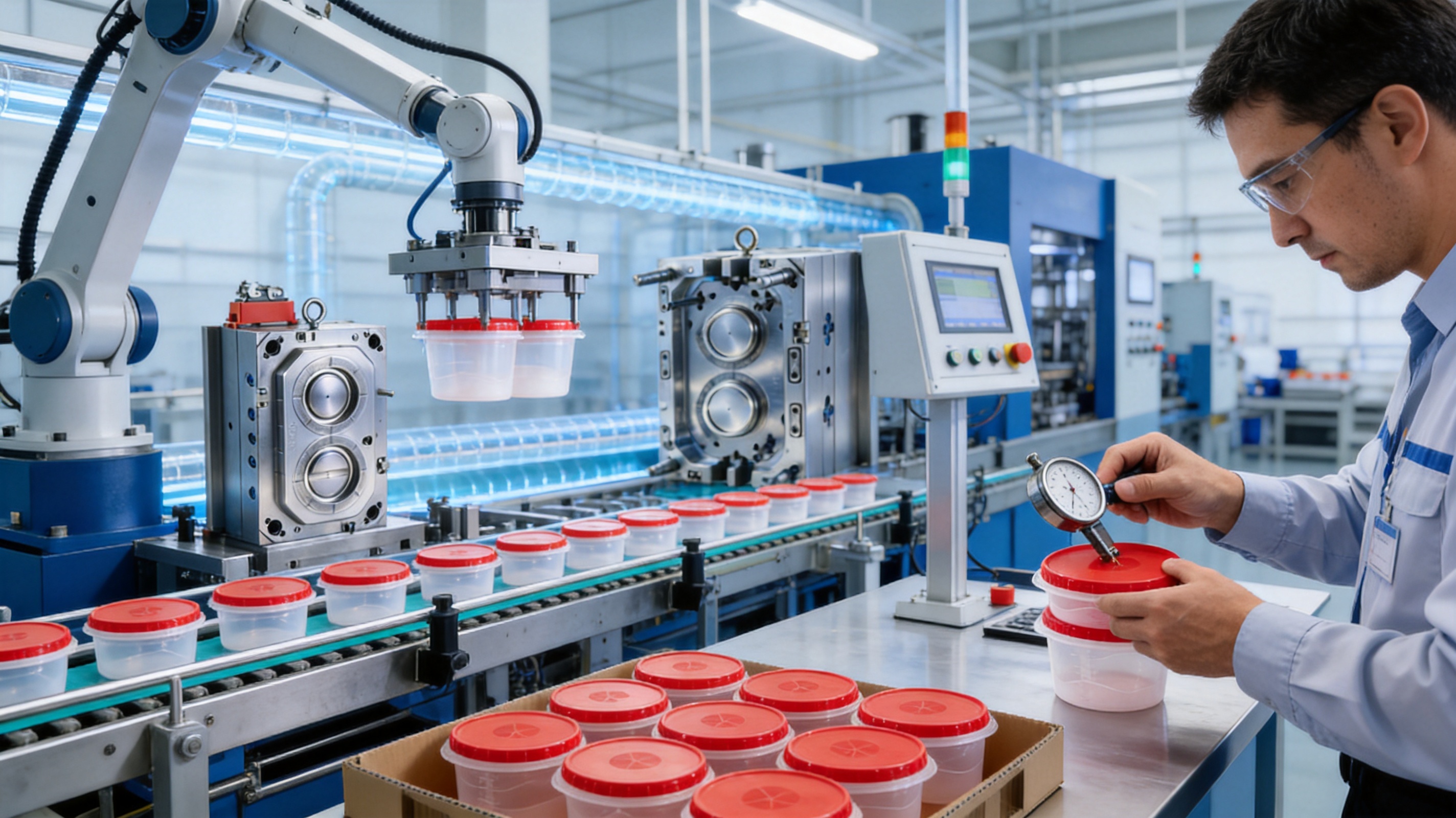
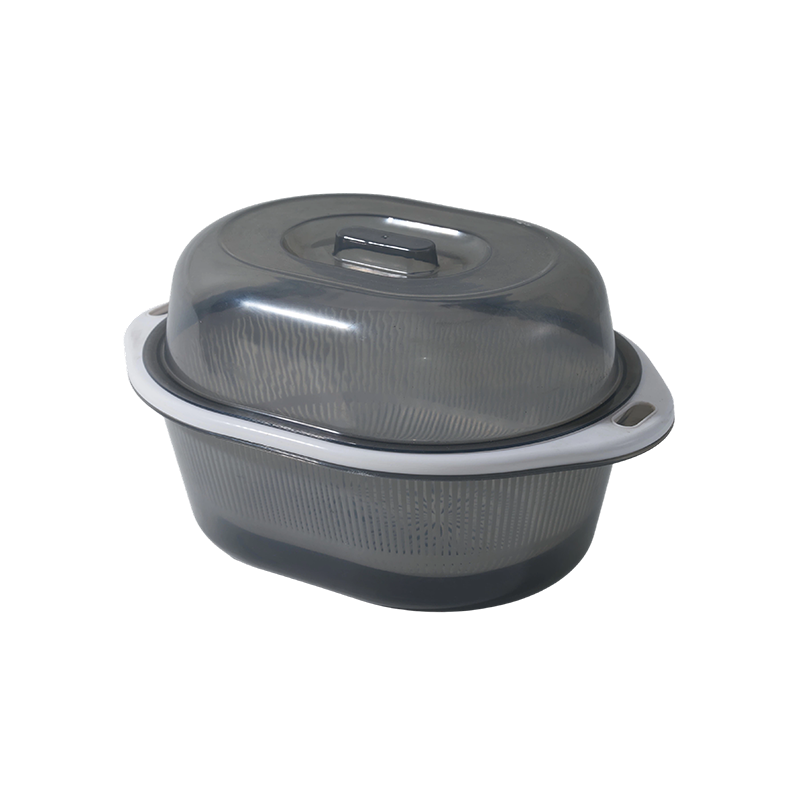
Round food storage containers are widely used in households, supermarkets, restaurants, catering businesses, meal-preparation services, and takeaway packaging. Their apparent simplicity hides a demanding manufacturing process. A container must have accurate circular geometry, stable wall thickness, reliable lid engagement, smooth surfaces, sufficient rigidity, and consistent dimensions from the first production cycle to the last. These requirements can only be achieved when the injection mould is designed and manufactured with equal attention to product performance, production efficiency, and long-term durability.
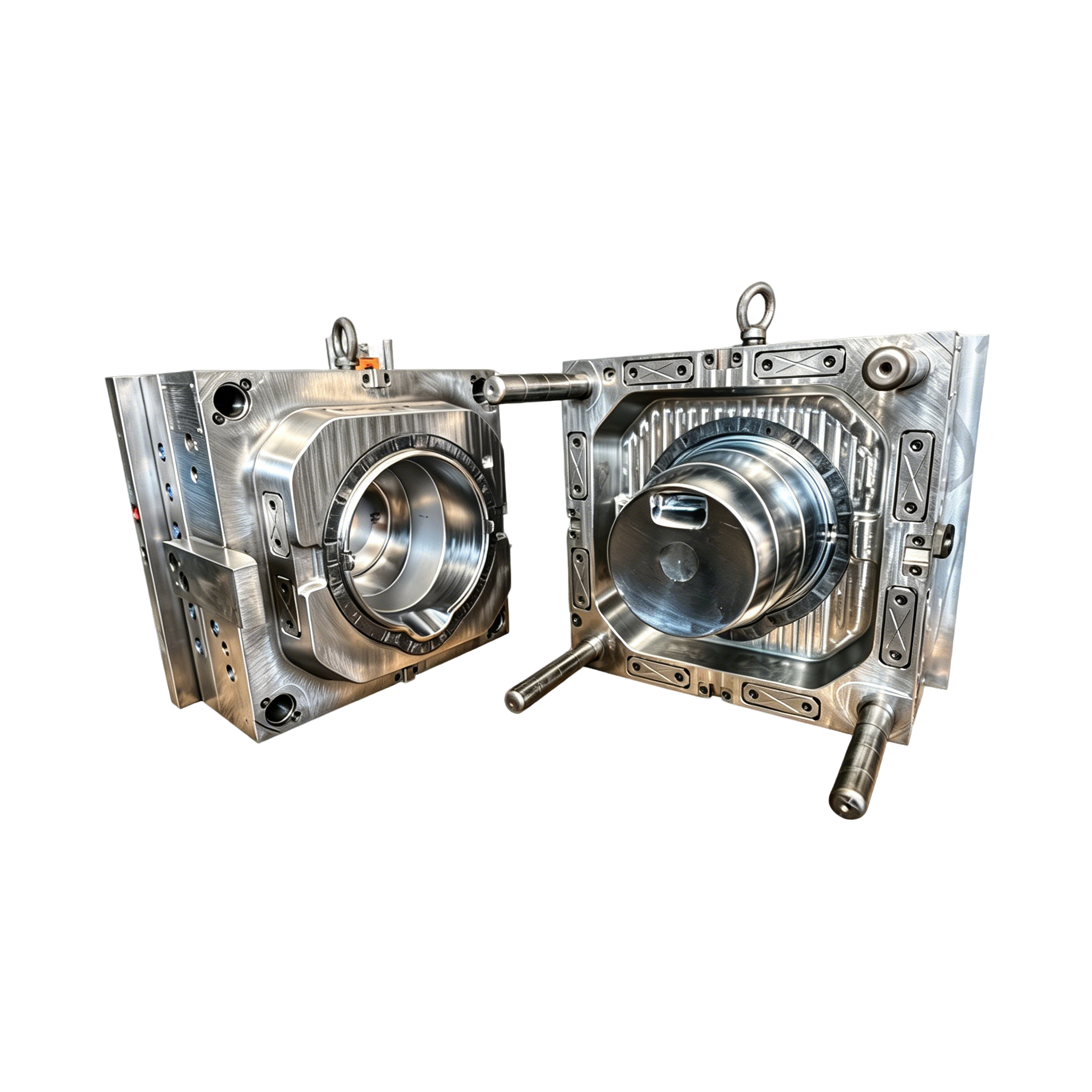
The Round Food Storage Container Injection Mould is developed for manufacturers that need dependable tooling for high-volume plastic container production. Its structure is optimized for precise roundness, balanced filling, uniform wall thickness, efficient cooling, and smooth demoulding. The mould can be configured as a single-cavity or multi-cavity solution, with hot runner or cold runner technology selected according to the product design, resin, production volume, and customer requirements.
Manufactured by Taizhou Huangyan Haiquan Plastic Mold Co., Ltd., the mould reflects a production philosophy centered on quality control, precision machining, scientific process management, and complete technical support. The company specializes in precision injection moulds for daily necessities, home appliances, automotive parts, and industrial equipment. Through integrated services covering design, engineering, manufacturing, testing, delivery, and after-sales assistance, the company supports customers seeking stable and efficient plastic container production.
1. The Role of a High-Quality Container Injection Mould
An injection mould is the foundation of the final plastic product. Even when the injection machine, resin, and operating parameters are carefully selected, an inadequately designed mould can cause uneven filling, warpage, sink marks, short shots, flash, difficult demoulding, and inconsistent lid sealing. For round food storage containers, these defects can directly affect stacking, appearance, storage performance, and consumer confidence.
The Round Food Storage Container Injection Mould is engineered to convert molten plastic into containers with repeatable dimensions and a clean visual appearance. The mould cavity defines the outer shape, while the core forms the interior volume. The relationship between these two components determines wall thickness, product weight, rigidity, and dimensional stability. Precision machining is therefore essential, particularly around the rim, sealing area, corners, and lid-engagement features.
A well-designed mould also reduces the dependence on excessive processing adjustments. Balanced gates, suitable runners, controlled cooling, and polished forming surfaces help the mould fill consistently under normal production conditions. This makes production easier to manage and reduces the risk that small variations in machine temperature, pressure, or cycle timing will create large variations in product quality.
For manufacturers, the value of the mould extends beyond the appearance of an individual container. A reliable mould contributes to lower scrap rates, fewer interruptions, more predictable cycle times, reduced maintenance, and improved output over the full service life of the tooling. These benefits are particularly important in applications where containers are manufactured in large quantities and supplied to demanding retail, food-service, or packaging markets.
2. Product Design and Structural Characteristics
2.1 Accurate Round Geometry
The circular form of a food storage container must remain accurate throughout the moulding process. The cavity and core are machined to maintain precise roundness and stable alignment. This helps the container sit evenly on a flat surface, stack correctly with other containers, and mate properly with its lid.
Small errors in roundness can create visible gaps around the lid, irregular sealing pressure, or unstable stacking. They can also cause problems when containers are used with automated filling, labeling, packing, or palletizing equipment. The mould structure is therefore designed to support consistent concentricity between the main body, rim, and internal features.
2.2 Uniform Wall Thickness
Uniform wall thickness is one of the most important characteristics of a successful food container. If one area is too thin, the container may lack strength or become vulnerable to deformation. If another area is too thick, the product may require additional cooling time, consume more material, or develop sink marks and internal stress.
The mould is optimized to distribute material evenly around the product geometry. Proper cavity and core design, balanced flow paths, and carefully positioned gates help the resin reach all areas of the container with consistent pressure. Uniform walls improve the relationship between product weight and strength, helping manufacturers achieve a cost-effective container without sacrificing practical performance.
2.3 Precise Lid and Container Matching
Food storage containers depend on the close relationship between the container rim and the lid. Whether the lid uses a snap-fit, press-fit, sealing lip, or another closing structure, the mould must reproduce the relevant dimensions accurately. High-precision machining supports excellent sealing performance and helps ensure that the lid can be fitted repeatedly without excessive force or looseness.
Accurate sealing areas are important for household storage, refrigerated food, prepared meals, and takeaway applications. A properly matched lid may help reduce leakage, protect food from external contamination, and maintain a more organized storage environment. The mould can also be adapted for different closure concepts, depending on the customer’s product design and market positioning.
2.4 Smooth and Attractive Surface Finish
Consumers often evaluate food storage products by their tactile quality and visual appearance. A smooth, glossy container surface can communicate cleanliness, durability, and manufacturing quality. The mould’s forming surfaces are finished according to the product requirements, with polished or textured options available.
Polished surfaces are suitable when the product requires a bright, smooth appearance. Textured surfaces may be selected to improve grip, reduce the visibility of minor handling marks, or create a distinctive visual effect. Logo engraving, identification marks, and other surface details can also be incorporated into the mould after the design has been confirmed.
2.5 Stable Demoulding
Demoulding must be carefully controlled because thin-walled containers can be damaged by excessive ejection force. Smooth demoulding helps prevent scratches, distortion, whitening, or deformation around the rim and sidewalls. The mould structure is designed with appropriate draft angles, ejection arrangements, and surface treatment to allow the product to release cleanly.
Stable demoulding also protects cycle-time performance. If operators must stop frequently to remove stuck products or inspect damaged rims, overall productivity declines. A mould that releases containers consistently supports more reliable automation and reduces unnecessary manual intervention.
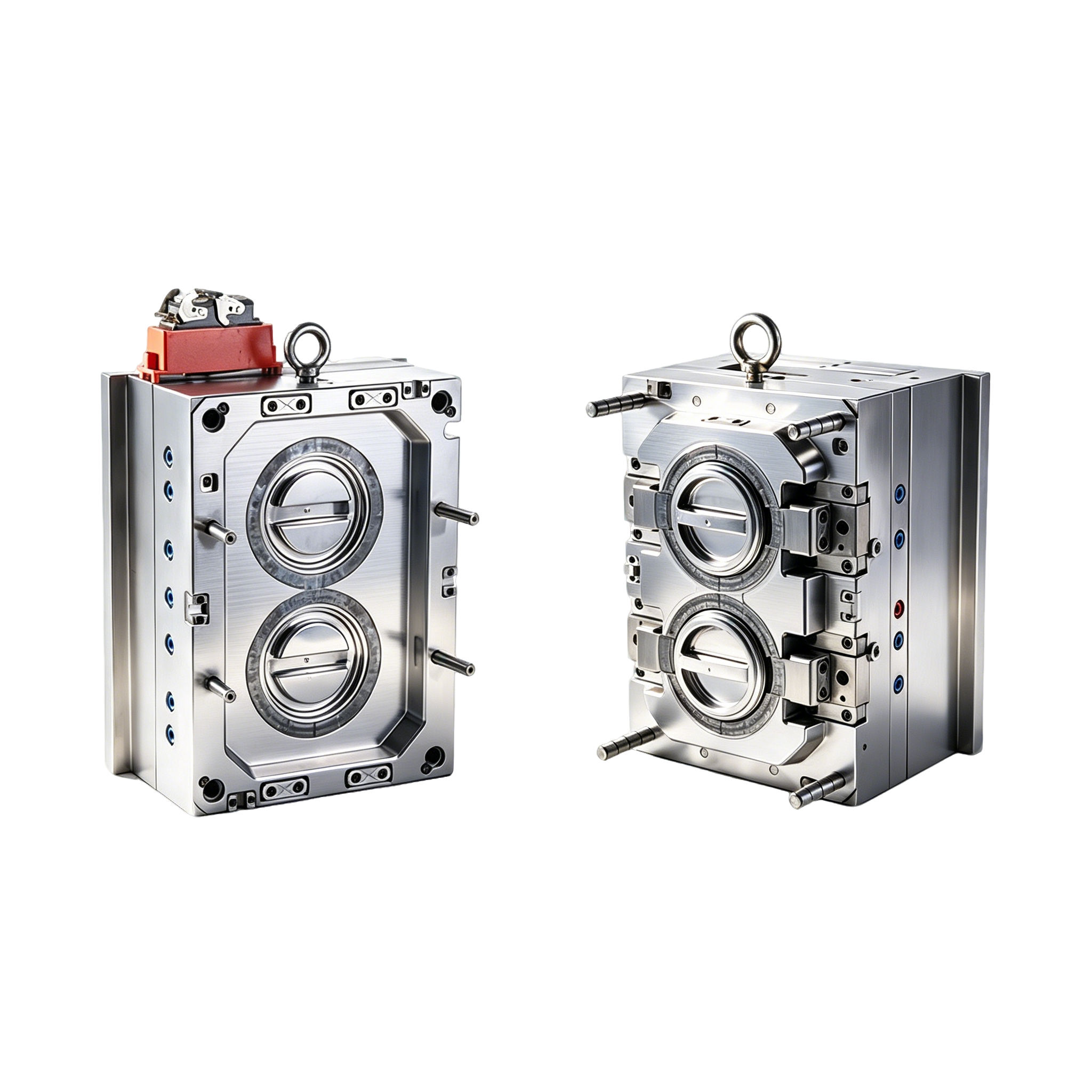
Round Food Storage Container Injection Mould
3. Advanced Mould Manufacturing Process
The performance of an injection mould depends on the quality of the entire manufacturing process. Haiquan Mould applies a coordinated workflow that begins with product evaluation and continues through engineering design, steel preparation, precision machining, assembly, testing, inspection, and delivery. Each stage is connected to the next so that design decisions can be verified before they become expensive production problems.
3.1 Product and Customer Requirement Analysis
Before the mould structure is finalized, the product requirements are reviewed in detail. Important factors include container diameter, height, capacity, wall thickness, lid structure, resin type, expected output, cavity quantity, surface appearance, machine specifications, and target service life.
The intended use of the container is also considered. A household storage box may require a different balance of rigidity and appearance from a disposable takeaway container. A refrigerator container may need dimensional stability at lower temperatures, while a meal-preparation product may need a lightweight structure for economical distribution. Understanding these differences allows the mould design to be adapted to the actual application rather than relying on a generic tool configuration.
3.2 Three-Dimensional Design and Engineering Review
Three-dimensional mould design is used to evaluate the relationship between the product, cavity, core, runners, cooling channels, guide components, and ejection system. The design team checks parting lines, draft angles, wall transitions, sealing surfaces, inserts, and areas that could interfere with demoulding.
Engineering review is especially valuable for circular containers because a seemingly minor change to the rim or base can influence filling, cooling, ejection, and stacking. Design reviews help identify these interactions early. They also make it easier to assess whether a product should be manufactured with one cavity or several cavities and whether a hot runner or cold runner system is more appropriate.
3.3 Mould Flow Analysis
Mould flow analysis can be used to examine how molten plastic travels through the runner system and into the container cavity. The analysis helps evaluate filling balance, pressure distribution, weld-line locations, air-trap risks, cooling behavior, and potential warpage.
For multi-cavity moulds, flow balance is particularly important. If one cavity fills earlier than another, the products may have different weights, dimensions, or surface quality. A balanced runner layout helps the cavities receive comparable material flow and pressure. For a single-cavity mould, flow analysis still assists with gate placement and the reduction of visible flow marks or unfavorable weld lines.
Early engineering analysis can reduce development time because potential defects are addressed in the design stage instead of after the mould has entered production. It also gives customers a clearer understanding of expected performance and helps establish a more efficient process window for the injection machine.
3.4 Steel Selection
The choice of mould steel is matched to expected production volume, product resin, surface requirements, and maintenance plans. The available material options include P20, 718, and H13 steel.
P20 steel is commonly used for mould components that require dependable mechanical performance and practical cost control. 718 steel offers improved suitability for demanding mould applications where higher polishing quality, toughness, or durability is desired. H13 steel is widely recognized for its strength and resistance to thermal fatigue, making it appropriate for applications involving demanding production conditions or elevated thermal stress.
Steel selection is not treated as an isolated decision. The material must be compatible with heat treatment, machining, polishing, cooling design, and the expected production environment. A carefully selected steel grade helps protect cavity dimensions and surface quality over extended use.
3.5 Precision CNC Machining
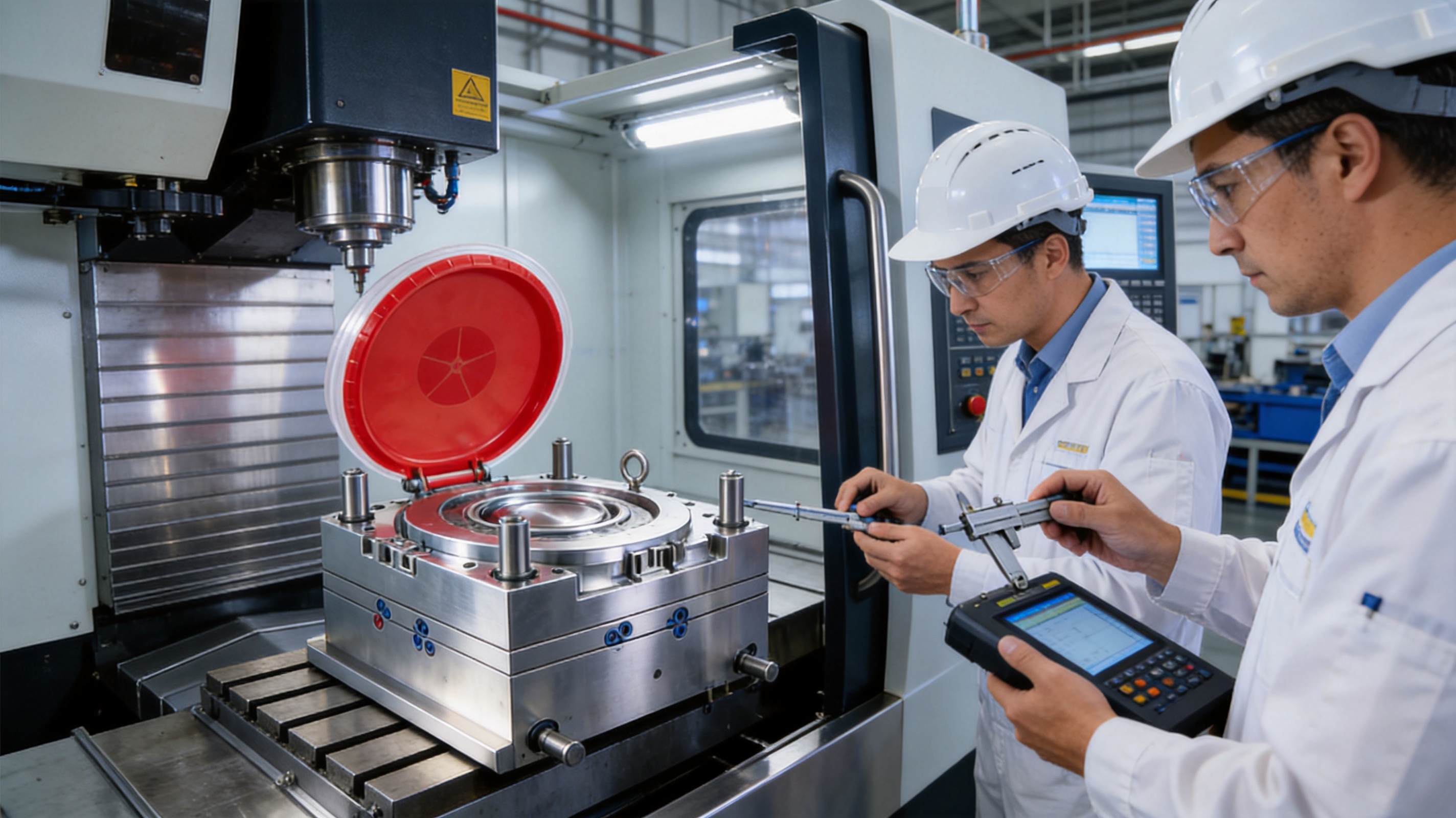
Precision machining creates the cavity, core, inserts, mould plates, runner components, and other structural parts according to the approved design. CNC machining is used to achieve controlled dimensions and consistent repeatability. Complex circular surfaces and sealing details benefit from accurate tool paths and careful process sequencing.
Machining quality affects not only the appearance of the first product but also the stability of the mould during long production runs. Poorly controlled dimensions can lead to uneven gaps, inconsistent wall thickness, excess flash, or difficult assembly. Precision machining reduces these risks and provides a reliable foundation for fitting and final adjustment.
3.6 Electrical Discharge Machining and Detail Processing
Electrical discharge machining may be used for difficult-to-machine details, narrow features, deep sections, and areas that require controlled material removal. This process is useful when the product includes small locking features, fine ribs, grooves, logo details, or complex geometry that cannot be produced efficiently through conventional cutting alone.
Detail processing is followed by inspection and surface treatment. The objective is to maintain the intended geometry while achieving the surface condition required by the container design. Proper coordination between machining and finishing helps preserve the accuracy of sealing and functional areas.
3.7 Polishing and Texturing
Mould polishing is performed according to the required appearance and demoulding behavior. A smooth polished cavity supports a glossy product surface and helps reduce friction during release. When a matte or patterned appearance is preferred, controlled texturing can be applied to selected areas.
The finish must be uniform across the cavity. Inconsistent polishing can produce visible differences in gloss, while uneven texture can affect appearance and hand feel. For products with a logo or decorative marking, the engraving and surrounding surface finish must be coordinated so that the detail remains clear without creating unwanted stress concentration.
3.8 Mould Assembly and Fitting
After individual parts have been machined and inspected, the mould is assembled and fitted. Guide pillars, guide bushes, cavity plates, core plates, ejector components, runner elements, cooling connections, and inserts are checked for alignment and movement.
Fitting is a critical step because the mould must open and close smoothly while maintaining accurate positioning. The parting surfaces must meet correctly to prevent flash, and the ejector system must operate without interference. Assembly technicians also verify that the cooling channels, seals, connectors, and other auxiliary elements are properly installed.
3.9 Trial Moulding and Corrective Adjustment
Trial moulding is used to evaluate the actual performance of the completed tool. Sample containers are inspected for dimensions, wall thickness, appearance, filling quality, sealing fit, ejection performance, and cycle behavior. If adjustments are needed, the mould can be refined before final delivery.
Trial testing is particularly useful for identifying issues that are difficult to predict completely through design software. For example, the actual resin may show a slightly different flow pattern, or a specific machine may require minor processing changes. By examining real moulded samples, the engineering team can confirm that the tool meets the customer’s practical production requirements.
4. Cooling System and Cycle-Time Performance
Cooling is one of the most important factors affecting injection moulding productivity. After molten plastic fills the cavity, the material must cool and solidify sufficiently before the product can be ejected. If cooling is uneven, the container may warp, shrink irregularly, or lose its round shape. If cooling is too slow, the cycle time increases and production capacity decreases.
The Round Food Storage Container Injection Mould incorporates advanced cooling channels designed to remove heat efficiently and consistently. The cooling layout is planned around the cavity and core so that high-temperature areas receive appropriate cooling support. More uniform temperature control helps the container maintain its shape and reduces residual stress.
Efficient cooling can shorten cycle times without compromising product quality. For high-volume production, even a small reduction in the cycle time can produce a significant increase in daily output. Faster cycles also improve the utilization of the injection machine and reduce the cost allocated to each container.
Cooling performance must be balanced with mould durability. Channels should provide effective heat transfer while preserving the strength of the mould plates and avoiding unnecessary risks around thin sections. Careful planning of channel position, diameter, connection, and sealing contributes to both thermal performance and long-term reliability.
Customers can further optimize cooling by maintaining clean water circuits, controlling coolant temperature, inspecting flow rates, and following a regular maintenance schedule. The mould itself provides the necessary structural foundation, while proper production management ensures that the cooling system continues to perform as intended.
5. Runner and Gating System Options
The gating system controls how molten plastic enters the container cavity. Its design influences filling balance, pressure requirements, material waste, cycle stability, gate marks, and product appearance. The mould can be configured with either a hot runner or a cold runner system, allowing the tooling solution to be matched to production objectives.
5.1 Hot Runner Configuration
A hot runner system keeps the material in a heated state within the runner manifold and nozzles. This can reduce runner waste and support efficient production, especially when the mould is used for large quantities or multi-cavity output.
Hot runner systems may improve filling balance between cavities and reduce the amount of solidified runner material that must be removed or recycled. They can also support shorter processing steps because operators do not need to separate a cold runner from every moulded part.
The selection of a hot runner depends on resin characteristics, product appearance, gate requirements, production volume, and maintenance preferences. The system must be designed and controlled carefully to avoid problems such as material degradation, nozzle leakage, or temperature inconsistency. When correctly applied, it can be an effective solution for efficient container production.
5.2 Cold Runner Configuration
A cold runner system is a practical option for many container applications. It generally offers a simpler structure, straightforward maintenance, and lower initial system complexity. Cold runners can be suitable for single-cavity moulds, moderate production volumes, or projects where the runner can be recycled within the customer’s manufacturing process.
The runner dimensions and layout are designed to support balanced filling while limiting unnecessary material consumption. Gate location is selected to reduce visible marks and improve the distribution of material across the round container. The final choice between hot runner and cold runner technology is made according to the customer’s machine, resin, output requirements, and total cost objectives.
6. Suitable Product Materials
The mould is suitable for producing containers from PP, PET, PS, and other compatible thermoplastic materials after the product and processing requirements have been confirmed.
Polypropylene is frequently selected for food storage products because it offers a useful combination of light weight, chemical resistance, toughness, and practical temperature performance. It can be used for household containers, refrigerator storage boxes, meal-preparation products, and reusable food packaging.
PET may be selected when transparency, appearance, or particular packaging characteristics are important. It requires suitable processing conditions and mould design considerations, especially when product clarity and dimensional stability are key priorities.
Polystyrene can be used for applications where rigidity, appearance, and cost efficiency are important. The exact grade and processing method should be selected according to the intended application and the customer’s material specifications.
The mould supplier can review the proposed resin before production and help confirm gate design, cooling requirements, shrinkage allowances, surface finish, and ejection conditions. Material-specific engineering reduces the risk of designing a tool that performs well with one resin but poorly with another.
7. Applications of the Finished Containers
7.1 Food Storage Containers
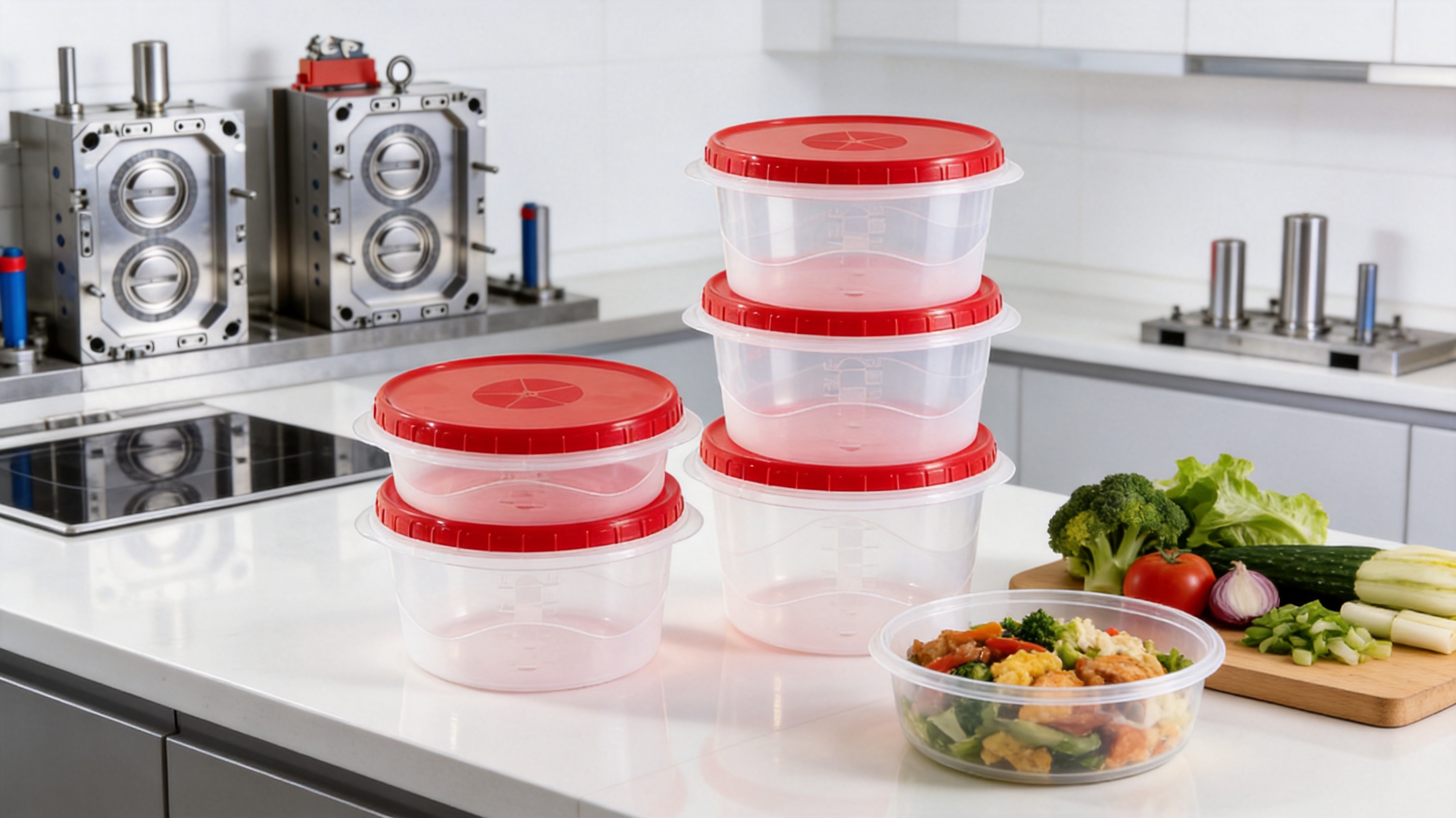
Round food storage containers are used to store cooked food, ingredients, snacks, sauces, fruit, leftovers, and prepared meals. Their circular shape is easy to manufacture, clean, and organize. A precise mould helps ensure that each container closes reliably and maintains an attractive appearance on retail shelves.
7.2 Refrigerator Storage Boxes
Refrigerator storage products require stable dimensions and practical stacking behavior. Accurate roundness and consistent rim geometry help containers fit their lids and maintain orderly placement. Smooth surfaces are also beneficial because they support easy cleaning and reduce the accumulation of food residue.
7.3 Meal Preparation Containers
Meal-preparation services and household users often require containers that can be manufactured economically in large quantities. The mould’s balanced filling, efficient cooling, and multi-cavity options support the output levels needed for organized meal production and distribution.
7.4 Takeaway Food Packaging
Takeaway packaging must combine speed of production, secure closure, attractive presentation, and controlled material consumption. A durable injection mould allows packaging manufacturers to produce consistent containers while maintaining a stable production cycle. The design can be customized for different capacities, rim structures, lid systems, and branding requirements.
7.5 Household and Commercial Organization
Although the primary focus is food storage, the same moulding principles can support containers for household organization, ingredient preparation, small-item storage, and commercial catering. Product dimensions, surface texture, labeling areas, and closure details can be modified to suit different customer markets.
8. Advantages Over Conventional or Lower-Quality Competitor Tooling
8.1 Better Dimensional Consistency
Lower-quality moulds may produce acceptable samples but struggle to maintain dimensions over extended production. Wear, poor alignment, inadequate steel, and insufficient inspection can gradually create variation in roundness, wall thickness, and lid fit. The precision-engineered structure of this mould is designed to support stable production and reduce dimensional drift.
8.2 More Balanced Filling
An unbalanced gating system may create uneven packing, visible flow differences, and inconsistent product weight. Through careful runner and gate design, the mould improves filling balance and helps distribute material more uniformly. This is particularly valuable for multi-cavity production, where every cavity must produce comparable containers.
8.3 Reduced Material Waste
Material waste affects both product cost and sustainability goals. The mould’s runner and gating options are designed to limit unnecessary material consumption. A hot runner system can reduce solidified runner waste, while an optimized cold runner can minimize runner volume and support practical recycling where appropriate.
8.4 Shorter and More Stable Cycles
Poor cooling design often forces manufacturers to extend the cycle time to prevent deformation. The advanced cooling channels in this mould support more efficient heat removal and more stable product release. Shorter, repeatable cycles can increase output and improve production planning.
8.5 Improved Surface Quality
Visible marks, scratches, dull areas, and uneven textures reduce the commercial value of food containers. High-precision machining and controlled finishing help achieve a clean surface that meets the customer’s appearance requirements. The mould can be supplied with polished or textured surfaces and can include custom logo engraving.
8.6 More Reliable Sealing Performance
Container and lid compatibility is often a weakness in poorly manufactured tooling. Slight dimensional differences at the sealing rim may lead to leakage or an unsatisfactory closing feel. High-precision machining provides better control of the functional interfaces, supporting reliable closure performance across repeated production cycles.
8.7 Easier Maintenance and Service Support
A mould designed with practical structure, replaceable components, accessible cooling connections, and clear engineering documentation is easier to maintain. Haiquan provides technical support from design through final delivery, helping customers understand the mould structure and establish appropriate operating and maintenance procedures.
8.8 Adaptability for Different Production Scales
The mould can be developed as a single-cavity or multi-cavity tool. A single-cavity version may be appropriate for new products, specialized containers, or moderate output. A multi-cavity version can support high-volume production and improve machine utilization. This flexibility allows customers to choose a configuration based on actual demand rather than being limited to one standard design.
9. Customization Services
Food storage products often need to match specific market requirements. Retail brands may require a unique capacity, a distinctive lid structure, a special texture, or a visible logo. Catering and packaging companies may need a container that fits an existing filling line or distribution system. Custom tooling allows these requirements to be incorporated into the mould from the beginning.
9.1 Size and Capacity Customization
The container diameter, height, base profile, and wall structure can be customized to achieve the required capacity. Different sizes may be developed for snacks, sauces, prepared meals, leftovers, ingredients, or commercial portions. The engineering team can review the desired volume and recommend a practical balance between material consumption, rigidity, and cycle time.
9.2 Multi-Cavity Design
Multi-cavity mould design is available for customers seeking high output. The number of cavities depends on product size, injection machine capacity, expected annual production, runner technology, and investment plans. Proper cavity balancing is essential to ensure that each container has consistent weight, dimensions, and appearance.
9.3 Custom Surface Texture
Surface texture can be used to create a matte appearance, improve grip, reduce the visibility of handling marks, or distinguish one product range from another. Texture selection should consider demoulding, cleaning, branding, and the intended consumer experience. The mould surface can be finished according to approved samples or technical specifications.
9.4 Logo Engraving and Identification Marks
Logos, recycling marks, capacity indicators, material symbols, product codes, and other markings can be integrated into the mould. Engraved details must be designed carefully to remain clear in the finished product while avoiding unnecessary interference with filling or ejection.
9.5 Structural Optimization
Customers may submit an existing product design for improvement or request a new design based on a general concept. Structural optimization can address wall transitions, ribs, sealing surfaces, draft angles, base stability, and material-saving opportunities. The goal is to create a container that is practical to mould, efficient to produce, and suitable for its intended use.
10. Quality Control and Inspection
Quality control is applied throughout the mould manufacturing process rather than only at the final stage. Incoming steel and components are reviewed, machining dimensions are checked, and critical features are inspected before assembly. This staged approach helps prevent small deviations from accumulating.
Critical inspection points include cavity and core dimensions, concentricity, parting-line accuracy, sealing surfaces, gate locations, ejector movement, guide alignment, cooling-channel integrity, and surface finish. The final mould is evaluated through trial production, and sample containers are compared with approved drawings or customer standards.
Dimensional inspection helps verify that the mould will produce containers with the required diameter, height, wall thickness, and rim geometry. Visual inspection evaluates gloss, texture, engraving, gate marks, weld lines, scratches, and other appearance details. Functional checks confirm that the lid can be fitted and removed as intended.
Quality documentation may include mould drawings, component information, trial reports, sample measurements, and maintenance recommendations. Clear documentation helps the customer operate the tool correctly and simplifies future servicing or replacement of wear components.
11. Production and Service Strengths
Taizhou Huangyan Haiquan Plastic Mold Co., Ltd. is a high-tech enterprise specializing in the research, development, and manufacturing of precision injection moulds. Its product sectors include daily necessities, home appliances, automotive parts, and industrial equipment. Experience across these fields supports a broad understanding of plastic product design, functional tooling, and demanding production conditions.
The company operates with a quality-first and sustainable-development philosophy. A professional design team works together with a scientific production management system to provide integrated services from early engineering to after-sales support. This structure is important for customers who need more than a mould alone and require practical assistance in bringing a product into stable production.
International experience is another important strength. The company exports to Europe, the Middle East, Southeast Asia, and South America, serving customers with different technical standards, product expectations, and communication requirements. Overseas project experience encourages careful documentation, clear approval procedures, reliable packaging, and attention to delivery schedules.
The company’s manufacturing approach emphasizes communication between design, machining, assembly, testing, and service teams. This reduces the risk of information loss during project transfer. It also allows technical feedback from trial moulding to be returned to the engineering team quickly when adjustments are needed.
For customers, a stable supplier relationship can reduce the total risk associated with new tooling. A supplier that understands product development, mould manufacturing, trial production, and technical support can help shorten the path from concept to commercial production. This is especially useful for companies launching new container sizes or entering new packaging markets.
12. Recommended Production Workflow for Customers
A successful mould project begins with complete technical information. Customers should provide product drawings, three-dimensional files, resin details, expected output, machine specifications, cavity requirements, appearance standards, and closure requirements whenever available.
The next step is a design review. The supplier evaluates the product structure, identifies possible moulding risks, and recommends improvements. This stage may include discussion of wall thickness, draft, parting line, gate position, cooling strategy, cavity quantity, and steel selection.
After design approval, mould manufacturing begins. Customers may review key design milestones before machining proceeds. This approval process provides an opportunity to confirm the final product geometry and reduce the possibility of misunderstandings.
Trial moulding follows assembly. Samples are inspected and shared for customer approval. If changes are required, they are recorded and implemented through a controlled correction process. Once the product meets the agreed requirements, the mould is prepared for delivery with relevant technical information.
After installation at the customer’s factory, the production team should verify machine compatibility, cooling performance, resin drying or preparation requirements, injection parameters, ejection behavior, and product dimensions. A controlled start-up helps establish a repeatable process and protects the mould during its early operating period.
13. Mould Maintenance and Service Life
The stated mould life is approximately 500,000 to 1,000,000 shots, depending on steel grade, product material, production conditions, maintenance quality, and operating practices. Service life is not determined by the mould alone. Proper cleaning, lubrication, cooling-water management, storage, and timely replacement of wear components all contribute to long-term performance.
After production, the mould should be cleaned to remove resin residue, moisture, dust, and contaminants. Sealing surfaces and parting areas should be inspected carefully because small particles can affect mould closure and create flash. Moving components should receive suitable lubrication according to the supplier’s recommendations.
Cooling circuits should be checked regularly for blockage, corrosion, scale, or reduced flow. Inefficient cooling can increase cycle time and create uneven product quality. Maintaining clean and stable cooling water helps protect both the product and the mould structure.
Ejector pins, guide components, springs, inserts, hot runner elements, and sealing parts are subject to normal wear. Regular inspection allows these components to be serviced before they cause product defects or unplanned downtime. A preventive maintenance schedule is usually more economical than waiting for a failure during a large production order.
When the mould is stored for an extended period, it should be dried, protected against corrosion, and kept in a controlled environment. The cavity and core surfaces should be protected from impact and contamination. Clear identification and storage records make future installation and production restart more efficient.
14. Technical Specification Overview
| Product | Round Food Storage Container |
| Mould Type | Plastic Injection Mould |
| Mould Material Options | P20, 718, H13 Steel |
| Cavity Configuration | Single-cavity or multi-cavity |
| Runner System | Hot runner or cold runner |
| Surface Finish | Polished or textured |
| Compatible Product Materials | PP, PET, PS, and other confirmed thermoplastics |
| Primary Design Focus | Uniform wall thickness, precise roundness, sealing accuracy, and smooth demoulding |
| Customization Options | Size, capacity, cavity quantity, texture, logo engraving, and structural details |
| Approximate Mould Life | 500,000 to 1,000,000 shots, depending on conditions |
| Technical Support | Design, flow analysis, manufacturing, trial moulding, delivery, and after-sales assistance |
15. Why Tooling Precision Matters to Total Production Cost
The purchase price of a mould is only one part of the total cost of container production. Material consumption, cycle time, scrap, machine utilization, labor, maintenance, energy, and downtime may have a greater effect over the mould’s operating life. A precision-engineered mould can therefore provide value even when its initial cost is higher than that of a basic alternative.
Uniform wall thickness helps control product weight. If a container is designed and moulded accurately, the manufacturer can avoid unnecessary overpacking with excess material. This can create savings across large production volumes while maintaining the required strength.
Efficient cooling reduces the time during which the machine is occupied by each moulding cycle. When thousands or millions of containers are produced, a shorter cycle can improve annual capacity significantly. It may also allow the customer to meet peak demand without immediately purchasing additional machines.
Lower scrap rates provide another direct benefit. Containers with poor sealing, deformation, flash, short shots, or visible surface defects cannot always be sold or reprocessed. Reducing these defects improves material utilization and prevents production time from being spent on products that will later be rejected.
Reliable demoulding also protects labor efficiency. Operators can focus on packing, inspection, and production control rather than repeatedly correcting stuck products. In automated systems, smooth release reduces stoppages and supports consistent downstream handling.
Finally, a mould that reaches its expected service life with stable performance reduces the frequency of replacement tooling. The result is a lower cost per acceptable container and a more predictable manufacturing plan.
16. Sustainability Considerations
Sustainable production begins with efficient use of materials and energy. The mould supports these objectives through balanced filling, optimized wall thickness, reduced runner waste options, and efficient cooling. These features do not replace responsible material selection or recycling systems, but they provide a practical foundation for reducing unnecessary consumption.
Lightweighting should be approached carefully. Reducing wall thickness without considering strength, sealing, and impact resistance may create product failures. A better approach is to analyze the container structure, reinforce necessary areas, remove unnecessary material, and verify performance through trial production.
Durable tooling also has a sustainability advantage. A mould that remains productive for hundreds of thousands of shots avoids the resource consumption associated with frequent tooling replacement. Proper maintenance extends this benefit by preserving the original precision and minimizing the need for major repairs.
Customers using PP, PET, PS, or other polymers should confirm the applicable food-contact, recycling, labeling, and regional compliance requirements for their target market. The mould supplier can assist with tooling-related considerations, while the customer remains responsible for selecting approved materials and validating the finished container for its intended use.
17. Purchasing Considerations
When comparing injection mould suppliers, buyers should evaluate more than the quoted price. Important questions include whether the supplier can support product optimization, whether the mould design includes flow and cooling analysis, what steel grades are available, how trial moulding is managed, and whether technical documentation is supplied.
The customer should also confirm the expected mould life under the actual production conditions. A service-life statement should be considered together with resin type, production speed, maintenance, cavity quantity, and mould operating environment. Clear communication at the quotation stage helps prevent unrealistic expectations.
Other important considerations include the availability of spare parts, response time for technical support, delivery planning, acceptance standards, packaging, and after-sales service. For overseas buyers, communication quality and export experience are especially valuable because they help reduce delays during design approval, sample confirmation, and installation.
A supplier with experience in several industrial sectors may also be better equipped to identify design improvements. Knowledge gained from home appliance, automotive, industrial, and daily-use moulds can contribute to more robust solutions for plastic containers.
18. Frequently Asked Questions
Q1: What products can be made with this mould?
The mould is intended for round food storage containers, refrigerator storage boxes, meal-preparation containers, takeaway food packaging, and related household or commercial storage products. The final product shape, capacity, closure structure, and surface details can be customized according to the customer’s requirements.
Q2: Can the mould produce different container sizes?
Yes. Container diameter, height, capacity, wall thickness, base structure, and rim design can be developed according to the approved product drawings. If several sizes are required, customers should discuss whether separate moulds, interchangeable inserts, or a family mould arrangement is the most practical option.
Q3: Is the mould suitable for high-volume production?
Yes. The mould can be designed as a multi-cavity tool for mass production. Cavity quantity, runner system, cooling design, and machine compatibility should be evaluated together to achieve reliable high-output operation.
Q4: Which materials can be used?
The mould is suitable for PP, PET, PS, and other compatible thermoplastics after engineering confirmation. The selected material affects shrinkage, flow behavior, cooling, surface appearance, and processing temperature, so it should be specified during the design stage.
Q5: Should a hot runner or cold runner be selected?
The best choice depends on production volume, cavity quantity, material, product appearance, material-waste objectives, machine configuration, and maintenance preferences. Hot runners can reduce runner waste and support efficient multi-cavity production, while cold runners may provide a simpler and more economical structure for other applications.
Q6: How does the mould help maintain uniform wall thickness?
Uniform wall thickness is supported through accurate cavity and core machining, appropriate wall transitions, balanced material flow, suitable gate positioning, and controlled mould cooling. Trial moulding and sample inspection are used to confirm the final result.
Q7: Can a logo be added to the container?
Yes. Custom logo engraving and other identification marks can be incorporated into the mould. The logo size, depth, position, font, and surrounding surface finish should be confirmed before machining begins.
Q8: Can the surface be polished or textured?
Yes. The mould can be finished with a polished surface for a glossy appearance or a textured surface for a matte effect, improved grip, or decorative differentiation. The selected finish should be approved through drawings, samples, or reference standards.
Q9: What is the expected mould life?
The approximate service life is 500,000 to 1,000,000 shots, depending on steel grade, resin, injection conditions, operating speed, maintenance, and production environment. Regular cleaning, lubrication, cooling-system care, and inspection of wear parts help extend service life.
Q10: Does the supplier provide technical support?
Yes. Technical support covers product and mould design, flow analysis, structural optimization, manufacturing, trial moulding, delivery, and after-sales assistance. The aim is to help customers achieve stable and efficient container production rather than simply supplying a mould.
Q11: How can customers begin a mould project?
Customers can prepare product drawings or three-dimensional files, material information, target capacity, expected annual output, machine specifications, cavity requirements, lid details, surface standards, and delivery expectations. This information allows the engineering team to provide a more accurate design and quotation.
Q12: Where is the mould manufactured?
The mould is manufactured by Taizhou Huangyan Haiquan Plastic Mold Co., Ltd. at No. 17 Houshi Road, Beicheng Industrial Zone, Huangyan District, Taizhou City, Zhejiang Province, China. The company serves customers in multiple international markets.
19. Conclusion
The Round Food Storage Container Injection Mould provides a complete tooling solution for manufacturers that require accurate, attractive, and efficient plastic containers. Its main advantages include precise roundness, uniform wall thickness, reliable lid and rim matching, balanced filling, reduced material waste, efficient cooling, smooth demoulding, and flexible customization.
Available with P20, 718, or H13 steel, single-cavity or multi-cavity construction, hot runner or cold runner technology, and polished or textured surfaces, the mould can be adapted to different production objectives. Its design is supported by product analysis, three-dimensional engineering, flow evaluation, precision machining, controlled finishing, careful assembly, trial moulding, and quality inspection.
Taizhou Huangyan Haiquan Plastic Mold Co., Ltd. combines technical capability with experience in daily necessities, home appliances, automotive parts, and industrial equipment. Its integrated service model supports customers from the earliest design discussion through mould delivery and production assistance. For businesses seeking dependable tooling for food storage containers and related packaging products, this mould offers a strong balance of quality, productivity, durability, and customization.
References
1. Injection Molding Handbook, technical principles of plastic injection mould design and processing.
2. Plastics Materials and Processing, general information on thermoplastic flow, cooling, shrinkage, and moulding behavior.
3. Engineering Practice for Injection Moulds, guidance on cavity design, gating, ejection, mould steel, and maintenance.
4. International tooling practice for food packaging containers, including dimensional control, surface finishing, and production validation.
5. Manufacturer-provided technical information for the Round Food Storage Container Injection Mould, including material options, cavity configurations, runner systems, customization services, and estimated service life.
Product: Round Food Storage Container Injection Mould
For exclusive deals and latest offers, sign up by entering your email address below.
 +86-18657672567
 sales@tzhqmould.com
celin@tzhqmould.com
 No. 17 Houshi Road, Beicheng Industrial Zone, Huangyan District, Taizhou City, Zhejiang Province, China
Copyright © Taizhou Huangyan Haiquan Plastic Mold Co., Ltd. All Rights Reserved
Injection Plastic Mould Maker

